
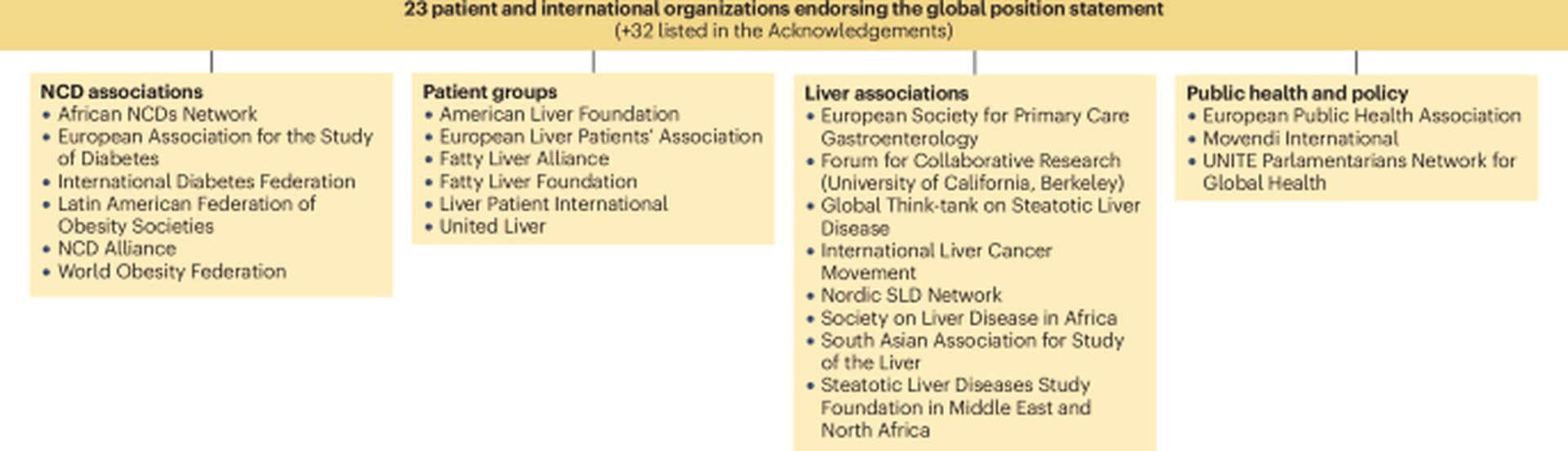
In a significant move poised to reshape global health priorities, a coalition of leading medical and public health organizations worldwide has issued a powerful position statement, advocating for a World Health Assembly (WHA) resolution on steatotic liver disease (SLD). This unified call, published in a prominent scientific journal, underscores the escalating burden of SLD, often referred to by its newer, more inclusive terminology, metabolic dysfunction-associated steatotic liver disease (MASLD), and its advanced form, metabolic dysfunction-associated steatohepatitis (MASH). The statement highlights the urgent need for a concerted international strategy to address this silent epidemic, which is rapidly becoming a leading cause of chronic liver disease, cirrhosis, and liver cancer across continents. The endorsement of such a resolution by the WHA, the decision-making body of the World Health Organization (WHO), would mark a pivotal moment, elevating SLD from a largely overlooked condition to a globally recognized public health imperative, demanding coordinated action from governments, healthcare systems, and communities worldwide.
Steatotic liver disease encompasses a spectrum of conditions characterized by excessive fat accumulation in the liver, unrelated to significant alcohol consumption. While simple steatosis (fatty liver) is often benign, a substantial proportion of individuals can progress to MASH, where inflammation and liver cell damage occur. This progression can lead to fibrosis, cirrhosis, liver failure, and hepatocellular carcinoma, carrying a significant risk of morbidity and mortality. SLD is intricately linked to metabolic risk factors such as obesity, type 2 diabetes, dyslipidemia, and hypertension, reflecting its deep roots in modern lifestyles and dietary patterns. Its prevalence is alarmingly high, affecting an estimated one-quarter to one-third of the global adult population, with rates continuing to climb in parallel with the global rise in obesity and diabetes. The insidious nature of SLD, often asymptomatic in its early stages, means many individuals remain undiagnosed until the disease has advanced, making early intervention challenging and underscoring the critical need for enhanced awareness and screening initiatives.
The global footprint of SLD is vast and inequitable, impacting populations across all income levels and geographic regions. While traditionally associated with Western countries, its prevalence is surging in Asia, Africa, and Latin America, driven by rapid urbanization, dietary shifts towards processed foods, and increasingly sedentary lifestyles. This global spread places immense pressure on healthcare systems already grappling with other non-communicable diseases (NCDs). The economic burden of SLD is substantial, encompassing costs associated with diagnosis, treatment, management of complications, and lost productivity. Furthermore, the disease disproportionately affects vulnerable populations, exacerbating existing health disparities and posing a significant challenge to achieving universal health coverage and health equity. Without a coordinated global response, the trajectory of SLD threatens to overwhelm healthcare infrastructure and impede sustainable development goals, making the call for a WHA resolution not merely a medical recommendation but a socio-economic imperative.
The proposed World Health Assembly resolution is imperative for several reasons, primarily to catalyze a paradigm shift in how the global community perceives and addresses SLD. Firstly, it would significantly elevate global awareness, moving SLD from the periphery of medical discourse to a central position within public health agendas. This increased visibility is crucial for garnering political will and resource allocation. Secondly, a WHA resolution can facilitate the standardization of nomenclature and diagnostic criteria, a critical step given the recent evolution in terminology from NAFLD to MASLD/MASH. Consistent terminology is vital for accurate epidemiological tracking, research comparability, and effective clinical management across diverse healthcare settings. Thirdly, such a resolution would serve as a powerful catalyst for the development and implementation of evidence-based prevention strategies. These strategies would focus on promoting healthy lifestyles, including balanced nutrition and regular physical activity, at a population level, addressing the root metabolic causes of SLD. Public health campaigns, supported by international guidelines, could empower individuals to make informed choices that reduce their risk.
Beyond prevention, a WHA resolution would also accelerate efforts in early detection and diagnosis. With SLD often being asymptomatic, widespread screening programs, particularly for high-risk individuals (those with obesity, diabetes, or metabolic syndrome), are essential. The resolution could encourage investment in accessible, non-invasive diagnostic tools and enhance the capacity of healthcare professionals, from primary care physicians to specialists, to identify and manage SLD effectively. Crucially, it would also stimulate research and development into novel therapeutics. While lifestyle modifications remain the cornerstone of management, there is an urgent need for pharmacological interventions to treat advanced forms of SLD, particularly MASH. A global mandate can foster international collaborations, accelerate clinical trials, and ensure equitable access to new treatments once they become available. Finally, integrating SLD into broader NCD frameworks is vital. Recognizing its metabolic underpinnings allows for synergistic approaches, leveraging existing infrastructure and expertise developed for conditions like diabetes and cardiovascular disease, thereby optimizing resource utilization and maximizing public health impact.
The global position statement outlines several key pillars that a WHA resolution should encompass to forge an effective global response. These include a strong emphasis on multi-sectoral collaboration, recognizing that addressing SLD requires coordinated efforts from governments, non-governmental organizations, academic institutions, industry, and patient advocacy groups. Such collaboration is essential for developing comprehensive national strategies that integrate prevention, early detection, treatment, and long-term care. Furthermore, the statement calls for robust investment in public health infrastructure, particularly in low- and middle-income countries, to build capacity for surveillance, diagnosis, and management of SLD. This includes training healthcare professionals, establishing specialized liver care centers, and ensuring the availability of essential medicines and technologies. Policy changes at both national and international levels are also crucial, ranging from fiscal policies that promote healthier food environments to regulatory frameworks that support research and development. Patient empowerment and advocacy are highlighted as indispensable, ensuring that the voices and experiences of those living with SLD inform policy decisions and drive compassionate, patient-centered care. By fostering an environment of shared responsibility and collective action, these pillars aim to create a sustainable framework for tackling SLD effectively on a global scale.
Despite the clear urgency, significant challenges remain in the global fight against SLD. A pervasive lack of public and professional awareness continues to hinder early diagnosis and effective management. Diagnostic limitations, particularly in resource-constrained settings, mean that many cases go undetected or are misdiagnosed. The high cost of potential new therapies and the complexity of implementing large-scale lifestyle interventions across diverse cultural contexts also present formidable hurdles. However, the opportunity presented by a WHA resolution is equally immense. It offers a unique platform to unify global efforts, mobilize resources, and foster innovation. By establishing a clear global mandate, the WHA can empower countries to develop tailored national action plans, share best practices, and collaborate on research initiatives. This collective approach is not just about managing a disease; it is about building healthier, more resilient communities worldwide.
The global position statement represents a critical turning point in the fight against steatotic liver disease. By advocating for a World Health Assembly resolution, global health leaders are calling for a proactive, comprehensive, and equitable approach to a disease that has long operated in the shadows. Nivaran Foundation supports this vital initiative, recognizing that a unified global strategy is essential to mitigate the escalating health and economic burden of SLD. The time for global action is now, to transform the trajectory of this silent epidemic and safeguard the liver health of future generations. This resolution would not only save lives and improve health outcomes but also underscore the power of international cooperation in addressing complex global health challenges.
Support Nivaran Foundation's global health initiatives to combat widespread diseases and advocate for equitable healthcare access.
Talk to Nivaran Global