
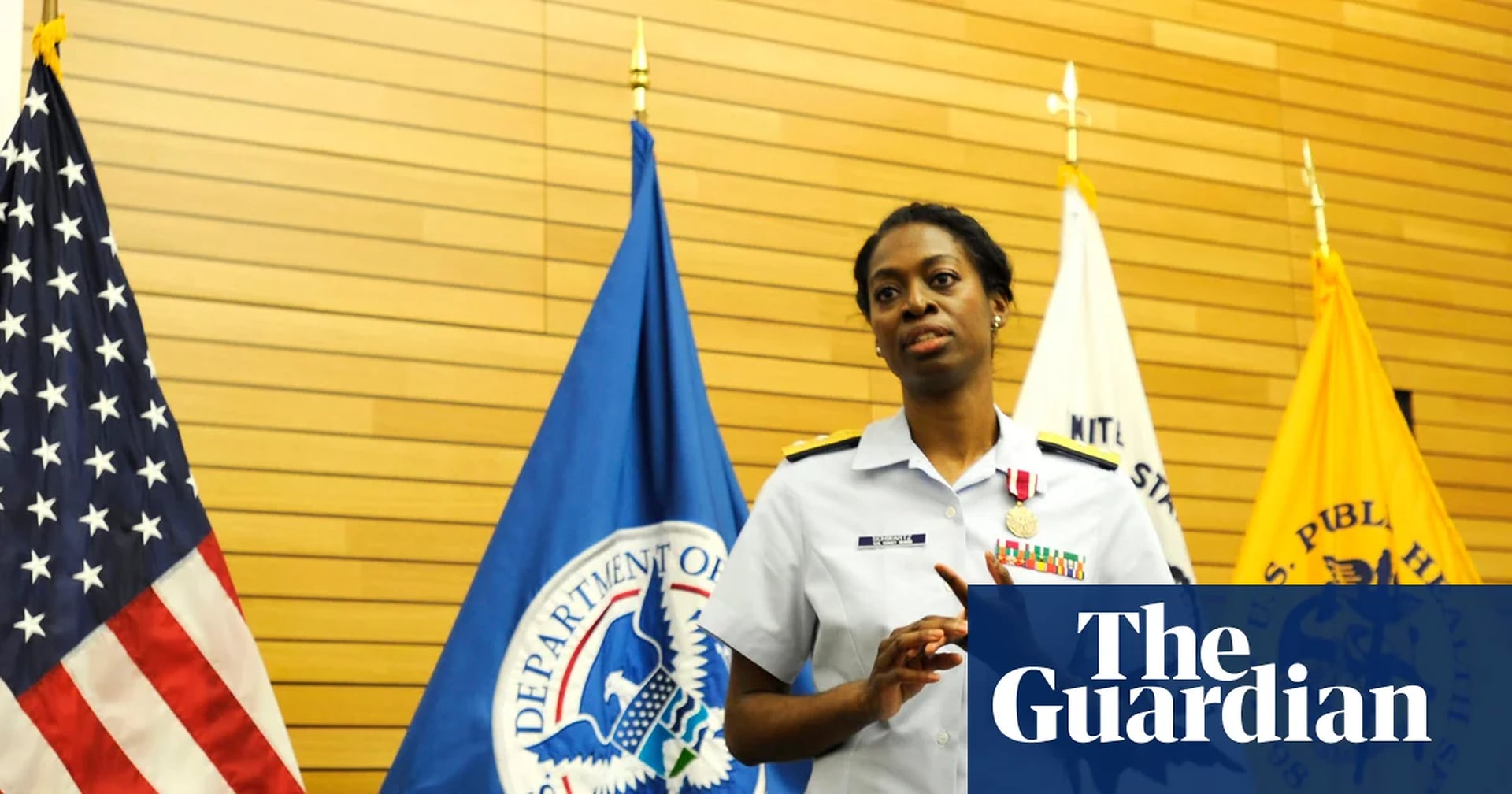
The nomination of Dr. Erica Schwartz to lead the Centers for Disease Control and Prevention (CDC) marks a pivotal moment for global public health, concluding a protracted search for permanent leadership at one of the world's foremost health agencies. Announced by President Donald Trump, this appointment places a figure with extensive experience in both public health and military command at the helm of an institution whose influence transcends national borders, shaping responses to health crises and advancing health security across continents. Dr. Schwartz, a former Deputy Surgeon General and a Rear Admiral in the US Coast Guard, brings a unique blend of medical expertise, legal acumen, and strategic leadership to a role that demands a comprehensive understanding of complex global health challenges.
The CDC's mandate extends far beyond domestic health concerns, positioning it as a critical player in the international health landscape. Its global health programs are instrumental in monitoring disease outbreaks, strengthening public health infrastructures in developing nations, and coordinating responses to pandemics and other health emergencies worldwide. From collaborating with the World Health Organization (WHO) on global vaccination campaigns to assisting national governments in establishing robust surveillance systems for infectious diseases like Ebola, HIV/AIDS, and tuberculosis, the CDC's reach is truly global. The agency's scientific research, epidemiological expertise, and technical assistance are vital resources for countries grappling with health disparities, emerging pathogens, and the health impacts of climate change. Therefore, the leadership at the CDC has profound implications for the health and well-being of populations across the globe, dictating the direction of international collaborations and the efficacy of global health interventions.
The stability and vision of the CDC's director are paramount in an increasingly interconnected world where health threats know no geographical boundaries. A strong, consistent leader is essential to navigate the intricate web of international partnerships, secure funding for critical global initiatives, and ensure that scientific evidence remains at the forefront of public health policy. The months-long period without a permanent director can create uncertainty, potentially impacting the continuity of vital programs and the agency's ability to respond swiftly to emerging global health challenges. Dr. Schwartz's appointment is expected to restore a sense of direction and provide the necessary leadership to steer the agency through future public health crises, reinforcing its role as a global beacon of health expertise.
Dr. Erica Schwartz's professional background is notably diverse and robust, equipping her with a multifaceted perspective on public health leadership. As Deputy Surgeon General, she played a key role in advising the nation on public health matters, contributing to policy development and health promotion initiatives. Her tenure in this capacity involved addressing a wide array of health issues, from chronic diseases to emergency preparedness, providing her with a holistic view of population health needs. Furthermore, her distinguished career as a Rear Admiral in the US Coast Guard underscores her capacity for leadership in high-pressure environments, strategic planning, and managing complex logistical operations—skills that are directly transferable to the demands of global disease control and emergency response. Coupled with her academic credentials—holding an MD, a JD, and an MPH—Dr. Schwartz embodies a rare combination of clinical knowledge, legal understanding, and public health policy expertise, making her a formidable candidate for a role that often requires navigating scientific, ethical, and legal complexities on an international scale.
Global public health agencies today face unprecedented challenges, ranging from the persistent threat of novel pathogens to the escalating health consequences of environmental degradation and geopolitical instability. The ongoing battle against antimicrobial resistance, the imperative to strengthen health systems in fragile states, and the need to address the mental health crisis on a global scale are just a few examples of the complex issues demanding innovative and coordinated international responses. The CDC, under new leadership, will be crucial in fostering research, developing best practices, and disseminating knowledge that can empower countries worldwide to build resilience against these threats. The director's ability to forge consensus among diverse stakeholders, both governmental and non-governmental, will be critical in mobilizing resources and implementing effective, equitable health solutions globally.
Collaboration with international bodies such as the World Health Organization, regional health organizations, and national health ministries across continents is a cornerstone of the CDC's global strategy. A new director will be tasked with strengthening these existing partnerships and forging new alliances to enhance global health security. This involves not only sharing scientific data and technical expertise but also engaging in public health diplomacy, advocating for evidence-based policies, and supporting capacity-building initiatives in resource-limited settings. The effectiveness of global health surveillance, vaccine distribution, and emergency response mechanisms often hinges on seamless international cooperation, making the CDC director's diplomatic skills and commitment to multilateralism profoundly important for collective global health outcomes.
Looking ahead, Dr. Schwartz's leadership will likely shape the CDC's strategic priorities in several key areas with global implications. Enhanced pandemic preparedness and response capabilities will undoubtedly remain a top focus, building on lessons learned from past outbreaks and proactively addressing future threats. This includes investing in global surveillance networks, accelerating vaccine and therapeutic development, and improving international coordination mechanisms. Addressing health disparities, both within and between nations, will also be critical, ensuring that public health interventions reach vulnerable populations effectively. Furthermore, leveraging advancements in data science and artificial intelligence to improve disease modeling, predict outbreaks, and personalize public health interventions could be a significant area of focus, offering new tools for global health practitioners. Strengthening global health infrastructure, particularly in low-income countries, through training, resource allocation, and technical assistance, will also be essential for building a more resilient global health ecosystem.
The appointment of a leader to such a globally influential institution inevitably occurs within a broader geopolitical context. National health policies and the leadership of key agencies can significantly influence international cooperation and the global health agenda. The CDC director, while serving a national role, also acts as a representative of a major global health actor, whose decisions and priorities resonate across the world. Maintaining scientific integrity, fostering transparency, and ensuring that public health decisions are driven by evidence rather than political expediency will be paramount for Dr. Schwartz to uphold the CDC's reputation as a trusted global authority. President Trump, announcing the nomination on Truth Social, praised Dr. Schwartz as "incredibly talented" and "a STAR!" highlighting the administration's confidence in her ability to lead.
The expectations for Dr. Schwartz are immense. She will be tasked with navigating a complex landscape of evolving health threats, diverse international partners, and the constant pressure to deliver timely, effective public health solutions. Her ability to inspire confidence, foster collaboration, and champion science-driven approaches will be crucial for the CDC to continue its vital work in protecting and improving global health. From combating infectious diseases to addressing chronic health conditions and promoting health equity, the challenges are vast, but so too is the potential for positive impact under strong, visionary leadership.
In conclusion, Dr. Erica Schwartz's nomination to lead the Centers for Disease Control and Prevention signifies a critical juncture for global public health. Her extensive background in medicine, law, and military leadership positions her to guide the agency through the multifaceted challenges of the 21st century. As the world continues to grapple with interconnected health crises, the CDC's role as a global leader in disease prevention, surveillance, and response becomes ever more vital. The international community will be closely observing how this new leadership shapes the future of global health security and cooperation, underscoring the profound worldwide implications of this significant appointment.
Support Nivaran Foundation's independent global health journalism, bringing critical insights into leadership decisions affecting worldwide well-being.
Talk to Nivaran Global