
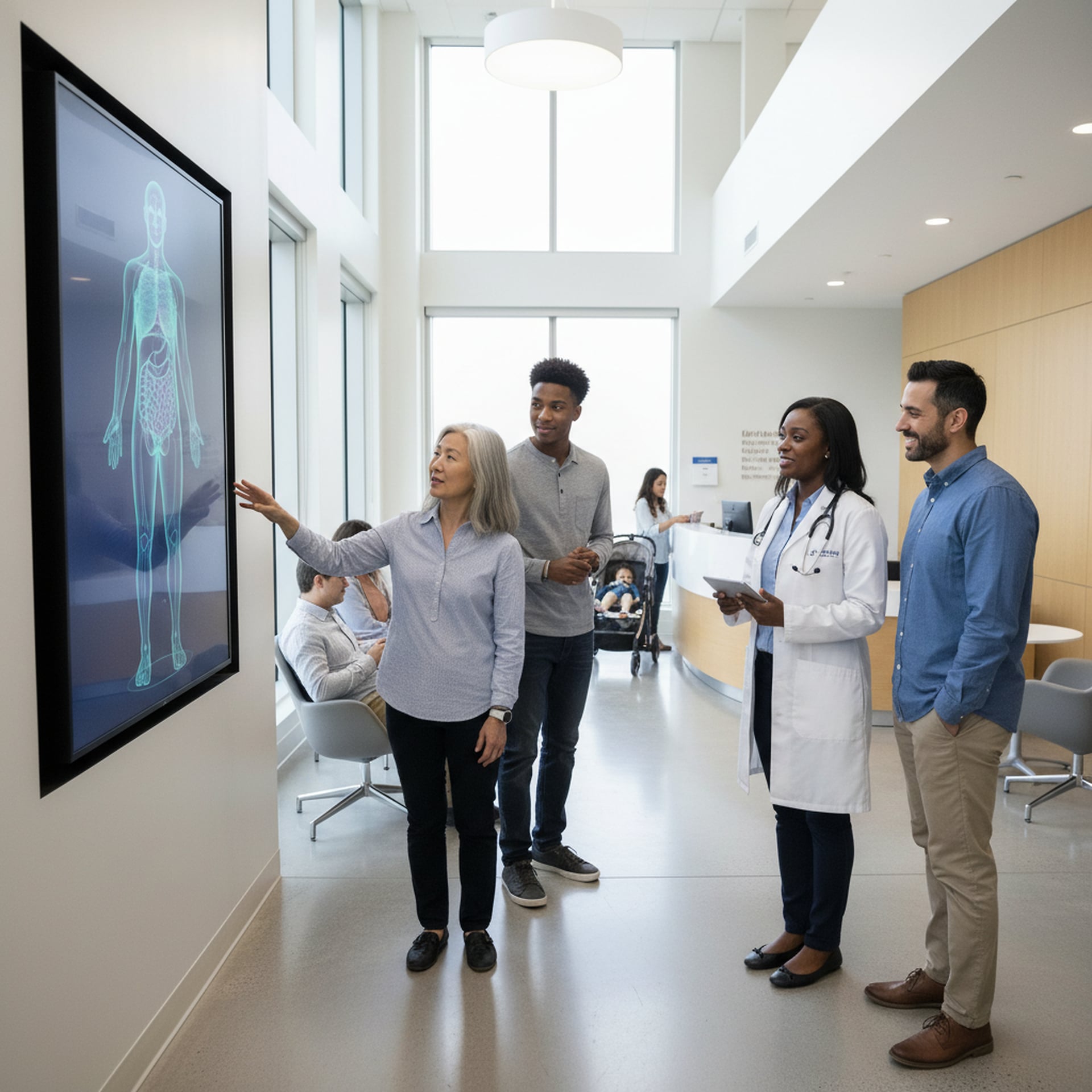
The global landscape of health is undergoing a profound transformation, marked by a significant shift from reactive treatment to proactive prevention. Individuals worldwide are increasingly seeking to understand their bodies at a deeper level, driven by a desire for longevity, enhanced well-being, and the early detection of potential health challenges. This burgeoning interest has propelled advanced body scans and comprehensive health assessments into the mainstream, offering an unprecedented window into internal health and disease risk. These technologies, once confined to specialized medical diagnostics, are now becoming vital tools for personalized health management, empowering people to make informed decisions about their lifestyle and medical care long before symptoms manifest.
This proliferation of preventive scans is underpinned by rapid technological advancements in medical imaging and diagnostics. Innovations in artificial intelligence, machine learning, and data analytics are making these scans more precise, efficient, and capable of identifying subtle markers of disease that were previously undetectable. From high-resolution internal imaging to detailed metabolic analyses, the array of available assessments is expanding, promising a future where health interventions are tailored to individual biological profiles. However, this exciting frontier also brings with it important considerations regarding accessibility, cost, the potential for over-diagnosis, and the critical need for expert medical interpretation to navigate the wealth of data generated.
One of the most comprehensive tools gaining traction is the Full-Body MRI or CT Scan. These advanced imaging techniques provide a detailed, cross-sectional view of internal organs, bones, and soft tissues, capable of identifying tumors, aneurysms, and other structural abnormalities often before they become symptomatic. A full-body MRI, utilizing powerful magnetic fields and radio waves, avoids ionizing radiation, making it a safer option for repeated screenings, though it can be more time-consuming. Conversely, a full-body CT scan, which uses X-rays, offers quicker results and excellent detail for bone and lung issues but involves a small dose of radiation, necessitating careful consideration of its benefits versus risks, particularly for asymptomatic individuals. While these scans offer peace of mind and the potential for early intervention in serious conditions like certain cancers or cardiovascular diseases, they also carry the risk of incidental findings—anomalies that may be benign but require further, sometimes invasive, investigation, leading to anxiety and additional medical costs.
Beyond a simple weight measurement, DEXA Scans (Dual-energy X-ray Absorptiometry) have emerged as the gold standard for precise body composition analysis. Unlike traditional BMI calculations, which can be misleading for muscular individuals, DEXA provides detailed measurements of bone mineral density, lean muscle mass, and body fat distribution. This information is invaluable for understanding metabolic health, assessing the risk of osteoporosis, and tailoring fitness and nutrition plans. Athletes use DEXA to optimize performance, while individuals concerned with aging can monitor bone health and muscle preservation. By offering a nuanced understanding of one's physical makeup, DEXA scans empower individuals to track progress towards specific health goals, identify areas for improvement, and gain insights into how their body responds to diet and exercise, moving beyond superficial metrics to a deeper understanding of internal physiological balance.
For cardiovascular health, Cardiac Imaging techniques, such as CT Angiography or Cardiac MRI, are revolutionizing early detection of heart disease. These scans can visualize the coronary arteries, detect plaque buildup, and assess heart function, providing crucial information about an individual's risk of heart attack or stroke. Cardiac CT angiography, for instance, can identify calcified and non-calcified plaque in the arteries, which are early indicators of atherosclerosis. Cardiac MRI offers detailed images of heart muscle, blood flow, and tissue characteristics without radiation, proving particularly useful for evaluating cardiomyopathies or congenital heart defects. By identifying cardiovascular risks years before symptoms appear, these scans enable proactive lifestyle changes, medication, or other interventions, significantly improving long-term outcomes and reducing the global burden of heart disease, which remains a leading cause of mortality worldwide.
The intricate complexities of the human brain are increasingly being explored through Advanced Brain Imaging, primarily MRI. These scans can detect structural abnormalities, early signs of neurodegenerative diseases like Alzheimer's or Parkinson's, and even subtle changes indicative of chronic stress or inflammation. Beyond diagnosing existing conditions, some individuals opt for brain MRIs as part of a comprehensive health check to establish a baseline, monitor brain health over time, and gain insights into cognitive function. While the clinical utility of routine brain scans for asymptomatic individuals is still debated, particularly regarding the interpretation of minor findings, they offer a powerful tool for those with specific concerns or a family history of neurological disorders. The ability to visualize the brain's intricate networks provides a unique perspective on one's neurological well-being, fostering a proactive approach to brain health maintenance.
Targeted Cancer Screenings represent a cornerstone of preventive medicine, with technologies like mammography for breast cancer and low-dose CT scans for lung cancer playing critical roles. Mammography remains the primary screening tool for breast cancer, capable of detecting tumors at early, more treatable stages. Advances in digital mammography and 3D tomosynthesis have improved accuracy and reduced false positives. Similarly, low-dose CT scans are recommended for high-risk individuals, such as long-term smokers, to screen for lung cancer, significantly improving survival rates compared to traditional chest X-rays. While these screenings are highly effective in specific populations, the broader discussion around their implementation involves balancing the benefits of early detection against the risks of over-diagnosis, false positives, and the anxiety associated with follow-up procedures. The global health community continues to refine guidelines to ensure these powerful tools are used most effectively and ethically.
For digestive health, innovative Gastrointestinal Health Assessments are offering less invasive alternatives to traditional procedures. While colonoscopy remains the gold standard for colorectal cancer screening, virtual colonoscopy (CT colonography) provides a non-invasive way to screen for polyps and tumors using CT imaging, without the need for sedation. Capsule endoscopy, where a tiny camera in a swallowable capsule captures images of the small intestine, offers a way to visualize areas difficult to reach with conventional endoscopes. These technologies are particularly valuable for individuals who are unable or unwilling to undergo invasive procedures, or for detecting conditions like Crohn's disease or celiac disease. By making gastrointestinal screening more accessible and less daunting, these advancements encourage greater participation in preventive care, crucial for addressing the rising incidence of digestive disorders globally.
Finally, while not an imaging scan, Advanced Blood Biomarker Panels are increasingly integrated into comprehensive "body scan" packages, offering a biochemical snapshot of an individual's health. These panels go beyond routine blood tests, analyzing a wide array of markers for inflammation, metabolic function, hormonal balance, genetic predispositions, and even early signs of cancer or autoimmune diseases. By providing insights into cellular health, nutrient deficiencies, and systemic risks, these biomarker panels complement imaging scans by offering a functional perspective on health. They can identify imbalances or risks that imaging might miss, enabling highly personalized interventions in diet, lifestyle, and supplementation. The integration of these sophisticated blood tests with imaging technologies creates a truly holistic picture of health, moving towards a future of highly individualized preventive medicine.
The promise of proactive screening is immense, offering the potential for earlier intervention, improved treatment outcomes, and greater peace of mind. For many, these scans represent an empowering step towards taking control of their health journey. However, this rapidly evolving field is not without its challenges. The significant cost of these advanced technologies can create disparities in access, exacerbating health inequities globally. There's also the ethical dilemma of incidentalomas—unexpected findings that may or may not be clinically significant, leading to patient anxiety, further diagnostic tests, and sometimes unnecessary procedures. The interpretation of these complex results requires highly skilled medical professionals, and a robust healthcare infrastructure is essential to manage follow-up care effectively.
As these technologies become more prevalent, ethical and accessibility considerations move to the forefront. Ensuring equitable access to these potentially life-saving tools across different socioeconomic strata and geographical regions is paramount. Data privacy and the secure management of sensitive health information also pose significant challenges. Furthermore, the integration of artificial intelligence in interpreting scan results, while promising for efficiency and accuracy, necessitates careful validation and oversight to prevent biases and errors. The global health community must work collaboratively to establish clear guidelines, foster responsible innovation, and educate both healthcare providers and the public on the appropriate use and limitations of these powerful diagnostic tools.
In conclusion, the global embrace of advanced body scans and comprehensive health assessments marks a pivotal moment in preventive medicine. These technologies offer unparalleled opportunities for early disease detection, personalized health management, and a deeper understanding of individual well-being. From visualizing internal organs to analyzing cellular biomarkers, the tools available are transforming how we approach health. Yet, their effective and ethical deployment hinges on informed decision-making, robust medical guidance, and a commitment to ensuring equitable access. As we navigate this exciting frontier, the ultimate goal remains to empower individuals worldwide to live healthier, longer, and more fulfilling lives through proactive and personalized care.
Support Nivaran Foundation's mission to foster global health literacy and empower communities with vital health information.
Talk to Nivaran Global