For a quarter-century, the global community has heralded significant strides in advancing women's right to health, particularly within the crucial realms of sexual and reproductive care. These efforts have undeniably contributed to a remarkable achievement: women across the world are now living longer than at any point in history. This longevity, a testament to public health interventions, medical advancements, and improved living conditions, should ideally signify a parallel improvement in overall well-being. Yet, a stark and troubling paradox persists: while women are indeed living longer, a pervasive system of medical bias and frequent misdiagnosis means they are often not living better.
This disparity is not merely anecdotal; it represents a systemic failure within global healthcare that profoundly impacts the quality of life for millions of women. The extended lifespan is frequently marred by chronic pain, undiagnosed conditions, and a healthcare journey fraught with frustration and disbelief. The concept of 'healthy life years' – years lived in good health without significant disability or disease – often lags significantly behind total life expectancy for women, revealing a deep-seated inequity that demands urgent attention and comprehensive reform.
At the heart of this global challenge lies medical bias, a deeply entrenched issue that influences everything from research priorities to clinical practice. Historically, medical research and drug development have disproportionately focused on male physiology, often treating the male body as the default human model. This male-centric approach has led to critical gaps in understanding how diseases manifest, progress, and respond to treatments in women. Symptoms that are common in women, for instance, might be dismissed or misattributed, while those aligned with male presentations are more readily recognized and addressed.
One of the most critical consequences of this bias is the underrepresentation of women in clinical trials. While regulatory bodies have made efforts to increase female participation, a legacy of exclusion means that much of our medical knowledge base is still derived from studies primarily involving men. This has tangible, often dangerous, implications. Drug dosages, for example, are frequently standardized based on male metabolism, leading to adverse side effects or reduced efficacy for women. Furthermore, the unique hormonal fluctuations throughout a woman's life, from menstruation to menopause, are often not adequately considered in research, leaving healthcare providers without sufficient evidence-based guidance.
The issue of misdiagnosis and delayed diagnosis is particularly acute for conditions that present differently in women. Heart disease, often perceived as a 'man's disease,' is a prime example. Women experiencing a heart attack may not present with the classic chest pain; instead, they might report fatigue, shortness of breath, or nausea, symptoms that are frequently overlooked or attributed to anxiety or stress. Similarly, autoimmune diseases, which disproportionately affect women, often involve a protracted and arduous diagnostic journey, with patients seeing multiple specialists over many years before receiving an accurate diagnosis. Conditions like endometriosis, fibromyalgia, and certain neurological disorders also fall into this category, where women's symptoms are frequently dismissed as psychological or psychosomatic, delaying effective treatment and prolonging suffering.
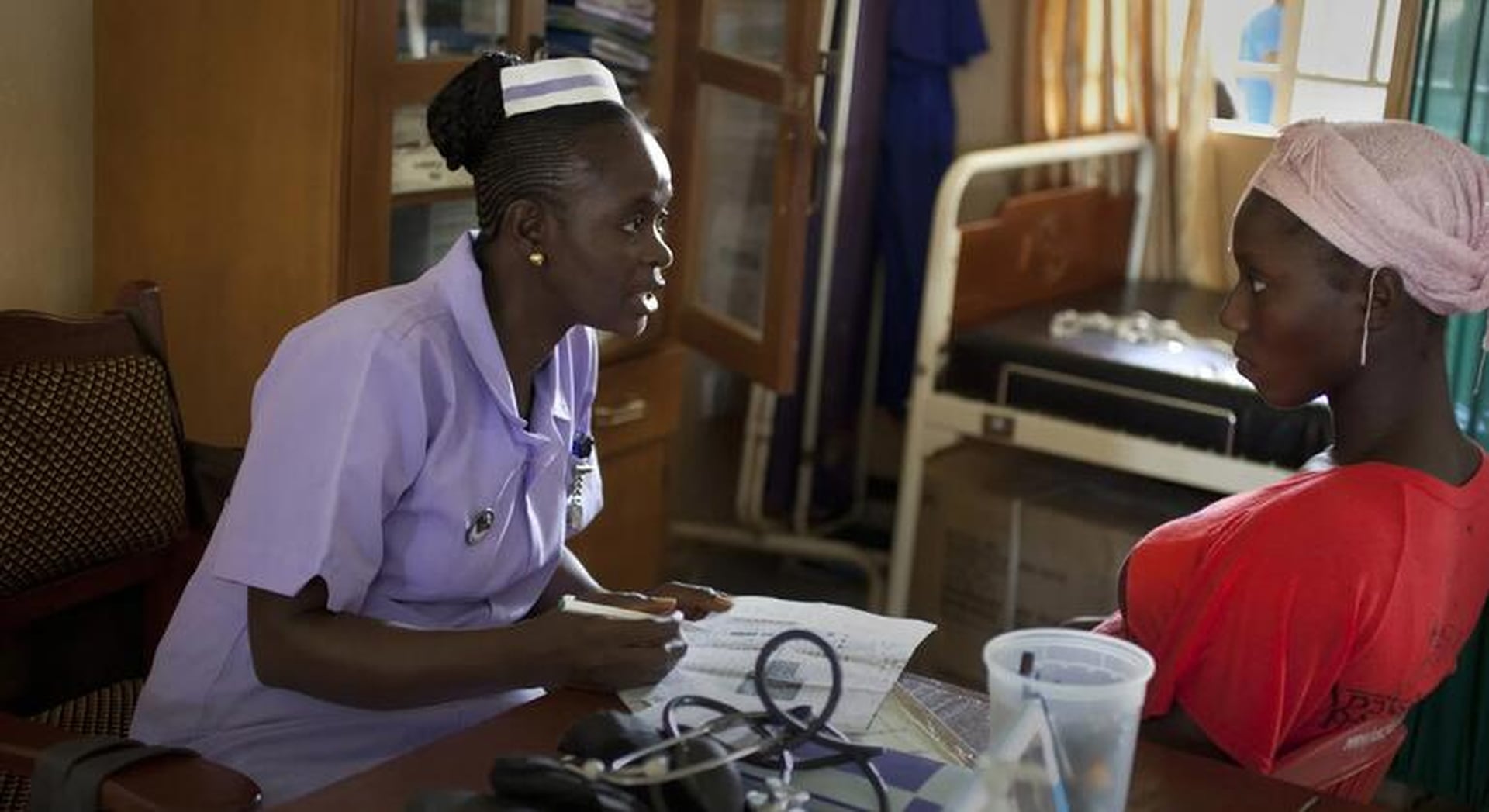
The dismissal of women's pain is another pervasive and distressing aspect of medical bias. Studies and patient accounts consistently reveal that women's reports of pain are often taken less seriously than men's, leading to undertreatment or a lack of appropriate investigation. Chronic pain conditions, which are more prevalent in women, are frequently downplayed or attributed to emotional factors, leaving women to endure debilitating pain without adequate relief or understanding. This phenomenon, often termed 'medical gaslighting,' erodes trust in the healthcare system and can have profound psychological impacts, exacerbating mental health challenges.
Beyond individual interactions, systemic gaps in healthcare delivery further compound these issues. Healthcare provider training, while improving in some areas, still often lacks comprehensive modules on gender-specific health issues beyond reproductive health. There is a need for a more holistic approach that educates clinicians on the diverse ways diseases affect women, the nuances of female physiology, and the importance of listening attentively to women's self-reported symptoms. Diagnostic tools and protocols also need to be re-evaluated to ensure they are sensitive to gender differences, preventing the perpetuation of existing biases.
The cumulative effect of chronic illness, persistent pain, and the experience of medical bias takes a significant toll on women's mental health. The emotional burden of being disbelieved, the frustration of delayed diagnoses, and the constant struggle to manage debilitating conditions can lead to increased rates of depression, anxiety, and other mental health disorders. This often creates a vicious cycle where mental health issues are then used to further dismiss physical symptoms, trapping women in a cycle of inadequate care and suffering. Addressing this requires an integrated approach that recognizes the intrinsic link between physical and mental well-being.
Moving towards a more equitable future demands a multi-pronged approach rooted in research equity, enhanced education, and policy reform. Research institutions globally must commit to mandating the inclusion of women in clinical trials and ensuring that data is disaggregated and analyzed by sex and gender. Funding bodies should prioritize studies that specifically investigate female-specific disease mechanisms and symptom presentations. This shift in research focus is critical to building a robust evidence base that truly reflects the diversity of human health.
Furthermore, continuous, gender-sensitive education for all healthcare professionals, from medical students to seasoned practitioners, is paramount. This education should encompass not only physiological differences but also the sociological and psychological factors that influence women's health experiences. Fostering an environment where clinicians are trained to recognize and actively counteract unconscious biases is essential to improving patient-provider interactions and diagnostic accuracy. Empowering women through health literacy programs, encouraging them to advocate for themselves, and supporting patient advocacy groups can also play a vital role in navigating and ultimately transforming the healthcare landscape.
Policy makers also have a crucial role to play in driving systemic change. Governments and international health organizations must implement policies that mandate gender equity in health research, ensure access to comprehensive and affordable healthcare, and establish accountability mechanisms for addressing medical bias. Investing in healthcare infrastructure that supports a holistic, patient-centered approach, rather than a fragmented one, will be vital in ensuring that women receive the integrated care they need across their lifespan.
In conclusion, while the achievement of longer lifespans for women is commendable, it is insufficient if those years are spent in preventable suffering. The global community must confront the uncomfortable truth that medical bias and misdiagnosis are denying women the fundamental right to live not just longer, but better. Nivaran Foundation believes that achieving true health equity means dismantling these systemic barriers, fostering inclusive research, and cultivating a healthcare system that genuinely understands, respects, and responds to the unique health needs of every woman, everywhere. Only then can we truly celebrate progress in women's health that translates into a tangible improvement in their daily lives and overall well-being.
Support Nivaran Foundation's mission to champion health equity and advocate for inclusive healthcare solutions worldwide.
Talk to Nivaran Global