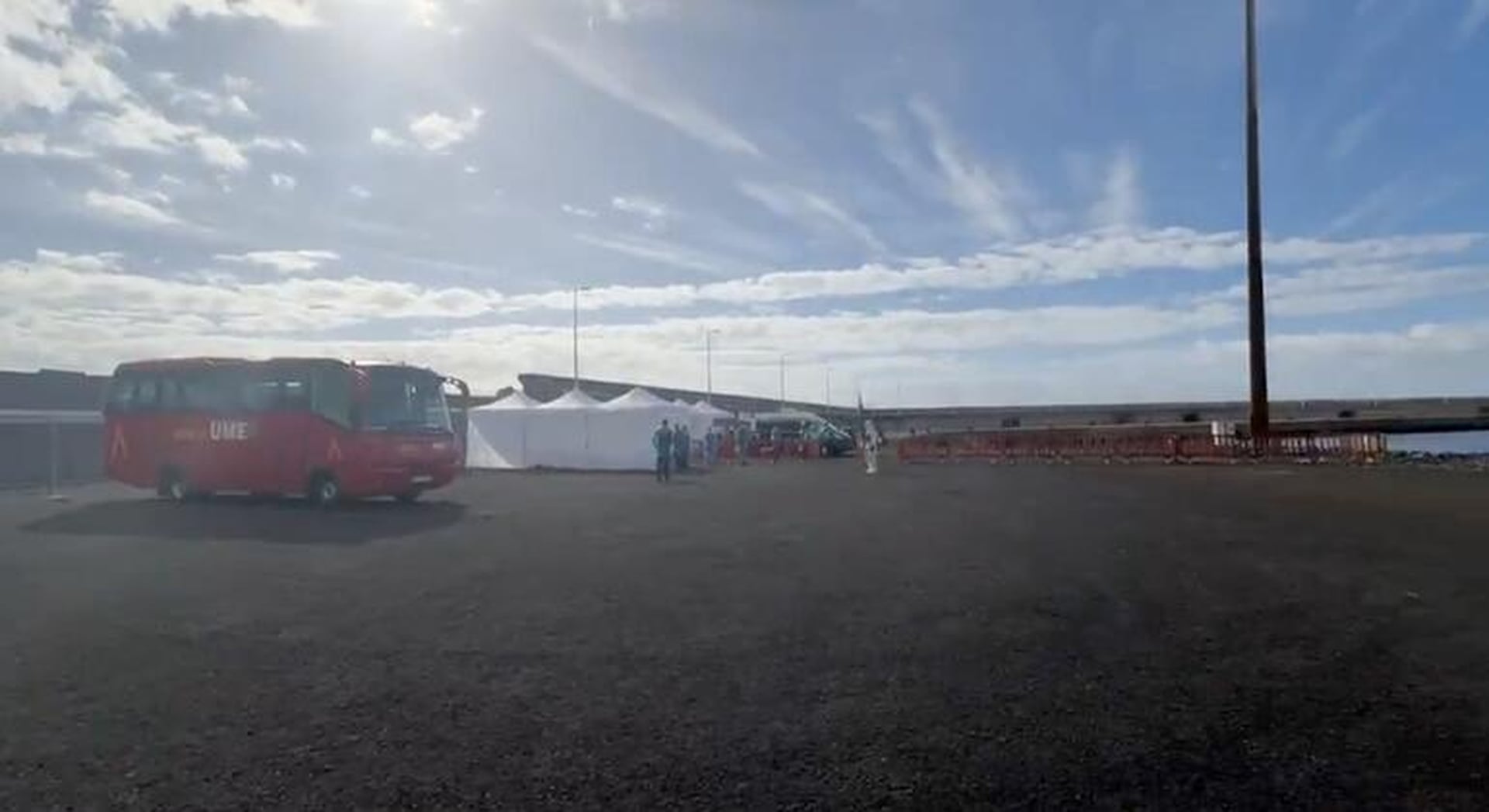
In a meticulously coordinated international health operation, passengers and crew aboard the MV Hondius cruise ship began disembarking in Tenerife on Sunday, following an alert regarding a hantavirus outbreak. The intricate logistical exercise, spearheaded by Spanish authorities in close collaboration with the World Health Organization (WHO), aimed to safely process individuals while simultaneously allaying burgeoning public anxieties. Crucially, officials from the WHO were swift to reassure the global community, emphasizing that this isolated incident, while serious, should not be misconstrued as a harbinger of "another COVID," a statement designed to temper widespread fears in a world still acutely sensitive to the specter of pandemics.
The disembarkation process, unfolding at the port of Santa Cruz de Tenerife, was a testament to the efficacy of rapid-response global health protocols. Each passenger and crew member underwent stringent health screenings, with medical personnel on standby to provide immediate assistance. The operation involved multiple layers of coordination, from establishing secure transit corridors to arranging onward travel for individuals cleared for departure, all while adhering to strict biosecurity measures. This comprehensive approach underscored the commitment of international health bodies and national governments to contain potential outbreaks swiftly and efficiently, minimizing public exposure and preventing broader transmission.
Understanding the nature of hantavirus is crucial to appreciating the measured response. Hantaviruses are a group of viruses carried by rodents that can cause severe, sometimes fatal, illnesses in humans. Transmission typically occurs when individuals inhale aerosolized virus particles from rodent urine, droppings, or saliva. Unlike many common respiratory viruses, hantavirus is not known to spread from person to person, a critical distinction that significantly limits its pandemic potential. Symptoms can range from fever, muscle aches, and fatigue to more severe conditions like Hantavirus Pulmonary Syndrome (HPS) or Hemorrhagic Fever with Renal Syndrome (HFRS), depending on the specific hantavirus strain and geographical region. The incubation period can vary, making vigilant monitoring of exposed individuals paramount.
The WHO's proactive declaration – that this outbreak is "not another COVID" – served a vital purpose beyond mere factual clarification. It addressed the deep-seated psychological impact of the recent global pandemic, which has left populations wary and prone to alarm at any mention of novel viral threats. By drawing a clear distinction between the transmissibility and epidemiological profile of hantavirus and SARS-CoV-2, the WHO sought to prevent misinformation and panic, reinforcing the message that not all outbreaks carry the same level of global risk. This strategic communication is as integral to public health management as the clinical response itself, fostering trust and enabling rational decision-making.
The swift and coordinated action in Tenerife exemplifies the advancements in global health security frameworks since the turn of the century. Lessons learned from SARS, MERS, Ebola, and most recently COVID-19 have led to enhanced surveillance systems, improved diagnostic capabilities, and more robust international cooperation mechanisms. The ability to rapidly identify a pathogen, trace potential exposures, and implement containment measures on a global scale reflects a maturing public health infrastructure. This incident serves as a practical demonstration of these frameworks in action, highlighting the importance of continuous investment in preparedness and response capabilities to safeguard global health.
International cooperation was the bedrock of this successful operation. Spanish health authorities, with their expertise in managing maritime health emergencies, took the lead on the ground, deploying resources and personnel. The WHO provided crucial guidance, epidemiological support, and facilitated communication among various stakeholders, including the cruise line and potentially the home countries of the passengers. Such multi-national collaboration is indispensable in an interconnected world where pathogens can traverse borders with ease, necessitating a unified front against health threats that respect no geographical boundaries.
The cruise industry, a significant global economic sector, faces unique challenges in managing infectious diseases. Vessels, by their very nature, are confined environments where pathogens can potentially spread rapidly if not contained. The MV Hondius incident, while specific to hantavirus, underscores the ongoing need for rigorous health protocols, robust onboard medical facilities, and clear communication channels between cruise operators and international health organizations. Past experiences with outbreaks of norovirus and, more recently, the widespread impact of COVID-19 on cruise ships, have prompted the industry to adopt more stringent health and safety measures, which were evidently put to the test and effectively deployed in this latest scenario.
The psychological dimension of disease outbreaks in a post-pandemic era cannot be overstated. Public trust in health authorities and accurate information dissemination are critical. The WHO's prompt and unequivocal statement regarding the limited transmissibility of hantavirus was a strategic move to manage public perception and prevent the escalation of fear into widespread panic. In an age of instant information and social media amplification, controlling the narrative with factual, reassuring data is paramount to maintaining social stability and ensuring public compliance with necessary health directives.
Preventive measures against hantavirus primarily focus on rodent control and avoiding contact with rodents and their droppings. This includes sealing up holes in homes and workplaces, trapping rodents, and cleaning up rodent nesting sites with appropriate disinfectants while wearing protective gear. For cruise ships, vigilance in pest control and maintaining hygienic conditions are crucial, especially in areas where supplies are stored or waste is managed. The incident on the MV Hondius will undoubtedly prompt a review of existing protocols, ensuring that all possible avenues for rodent intrusion and subsequent viral transmission are thoroughly addressed.
Looking ahead, this incident serves as a salient reminder of the persistent threat posed by zoonotic diseases – those transmitted from animals to humans. As human populations expand and encroach upon natural habitats, the interface between humans and wildlife becomes more frequent, increasing the potential for novel pathogens to emerge. The global health community remains in a perpetual state of vigilance, continuously monitoring for new threats and refining strategies for rapid detection, containment, and communication. The successful management of the MV Hondius situation in Tenerife stands as a testament to the progress made in global health preparedness, offering a blueprint for future responses to localized outbreaks while reinforcing the message that not every new virus portends a global catastrophe.
The coordinated disembarkation in Tenerife, therefore, represents more than just the safe processing of individuals from a single vessel. It symbolizes the robust, interconnected global health architecture that has evolved to protect populations from infectious diseases. It highlights the indispensable role of international organizations like the WHO, the dedication of national health authorities, and the continuous refinement of protocols that allow for effective containment without succumbing to unnecessary alarm. The world remains vigilant, but also demonstrably more prepared.
Support Nivaran Foundation's critical work in global health reporting and education by donating today.
Talk to Nivaran Global