
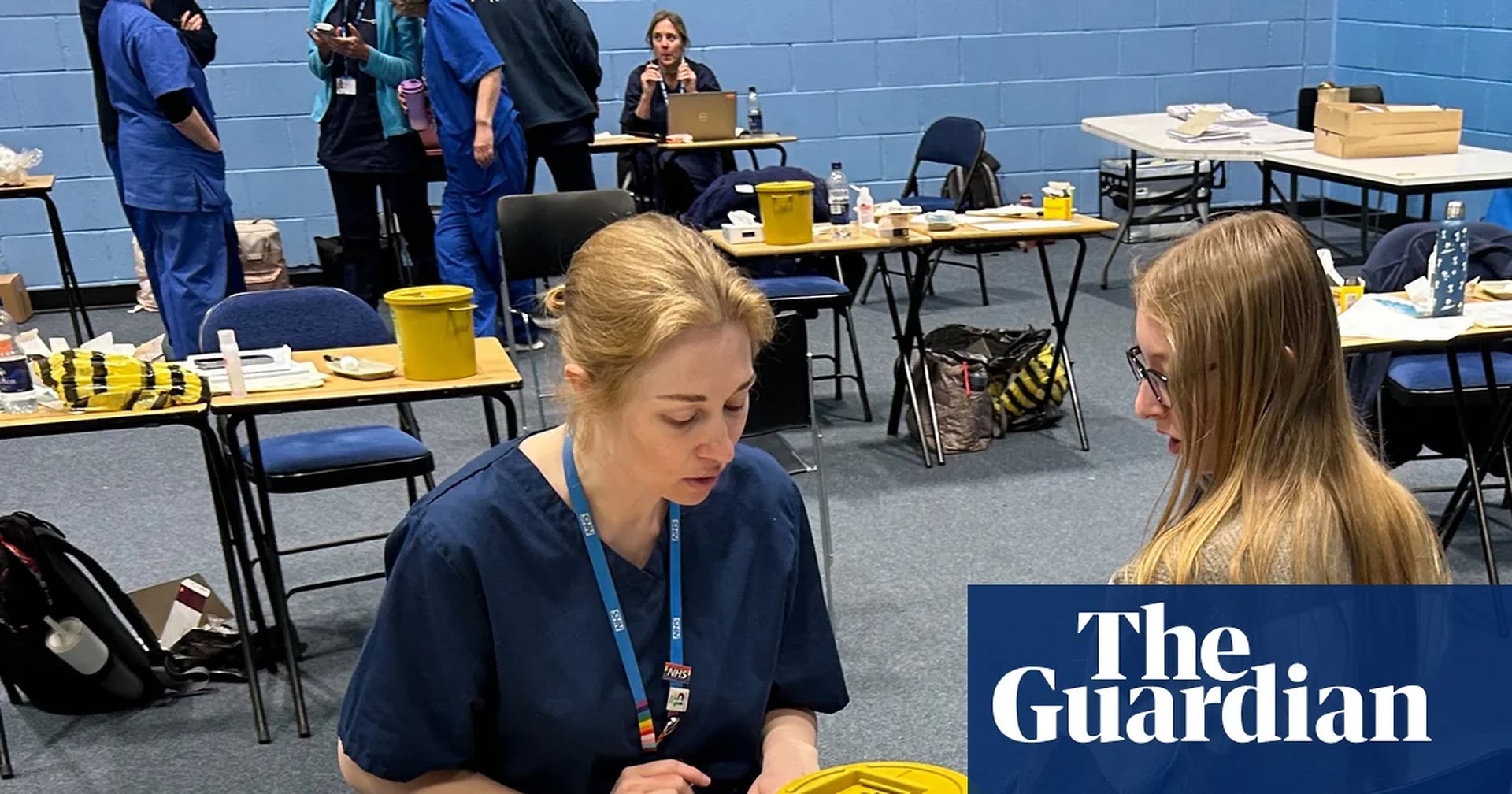
The recent announcement from the UK Health Security Agency (UKHSA) that no new cases of meningitis have been reported in connection with an outbreak in Kent serves as a crucial reminder of the continuous vigilance required in global public health. While localized to a specific region, such incidents underscore the universal principles of disease surveillance, rapid response, and public communication that are vital for safeguarding populations worldwide from infectious threats. As of Sunday afternoon, the number of confirmed cases remained at 20, with nine additional cases still under investigation, a status unchanged from the previous day’s report. This pause in new infections, while encouraging, does not signal an end to the threat but rather highlights the effectiveness of ongoing public health interventions and the need for sustained monitoring.
Meningitis, an inflammation of the membranes surrounding the brain and spinal cord, is a serious and potentially life-threatening condition. It can be caused by various pathogens, including bacteria, viruses, and fungi, with bacterial meningitis being particularly severe. This form of the disease can lead to devastating consequences, including brain damage, hearing loss, learning disabilities, and even death, often within hours if not promptly treated. Transmission typically occurs through respiratory droplets from close contact with an infected person, making crowded environments and communal living spaces potential hotspots for spread. Globally, meningitis remains a significant public health concern, particularly in regions with limited access to healthcare and vaccination programs. Outbreaks can strain health systems, disrupt communities, and have lasting socio-economic impacts, emphasizing the interconnectedness of health security across borders.
Public health agencies, whether national bodies like the UKHSA or international organizations such as the World Health Organization (WHO), play an indispensable role in managing and mitigating such outbreaks. Their responsibilities encompass a broad spectrum of activities, beginning with robust disease surveillance systems designed to detect unusual patterns of illness or clusters of cases. In the context of the Kent outbreak, this would have involved identifying the initial cases, confirming the diagnosis through laboratory testing, and then actively searching for additional cases within the affected community. This proactive approach, often involving contact tracing and enhanced monitoring in healthcare settings, is critical for understanding the scope of an outbreak and preventing wider dissemination. The UKHSA’s daily updates and transparent communication are integral to this process, keeping both healthcare professionals and the public informed and prepared.
The investigation phase is equally critical. When an outbreak occurs, public health experts work tirelessly to identify the specific pathogen responsible, determine its strain, and understand its transmission dynamics. This information is vital for tailoring effective interventions, such as recommending specific antibiotics for treatment or prophylaxis, or identifying the need for targeted vaccination campaigns. The nine cases still under investigation in Kent exemplify this meticulous process, where each potential infection is carefully evaluated to confirm its link to the ongoing outbreak and to inform the overall public health strategy. Such detailed epidemiological work is a cornerstone of global health security, enabling countries to learn from each incident and strengthen their preparedness for future challenges.
The announcement of "no new cases" is a significant milestone in any outbreak response, offering a glimmer of hope that control measures are taking effect. It suggests that the chain of transmission may have been interrupted, either through isolation of infected individuals, prophylactic treatment of close contacts, or other public health interventions. However, it is crucial to understand that this does not signify the end of the outbreak. Meningitis, like many infectious diseases, has an incubation period – the time between exposure to the pathogen and the onset of symptoms. During this period, individuals may be infected but not yet show signs of illness. Therefore, public health agencies must maintain heightened vigilance for a sustained period, typically twice the maximum incubation period of the disease, to confidently declare an outbreak over. This continued monitoring is essential to catch any delayed cases and prevent resurgence.
Prevention remains the most effective long-term strategy against meningitis globally. Vaccination programs have dramatically reduced the incidence of certain types of bacterial meningitis in many parts of the world. Vaccines targeting meningococcal disease (e.g., MenACWY, MenB), Haemophilus influenzae type b (Hib), and pneumococcal disease are key components of childhood immunization schedules in numerous countries. Expanding access to these life-saving vaccines, particularly in low-income settings where the burden of meningitis can be disproportionately high, is a critical global health priority. Beyond vaccination, basic public health measures such as promoting good hygiene practices – frequent handwashing, covering coughs and sneezes – and ensuring adequate ventilation in crowded spaces also play a vital role in reducing transmission. Early diagnosis and prompt treatment with appropriate antibiotics are paramount for improving outcomes for those who do contract bacterial meningitis, underscoring the need for robust healthcare infrastructure and trained medical personnel.
The Kent outbreak, while contained within the UK, offers valuable lessons for global health preparedness. It reinforces the necessity for every nation to invest in resilient public health systems capable of rapid detection, accurate diagnosis, and effective response to infectious disease threats. This includes maintaining well-equipped laboratories, training skilled epidemiologists and public health workers, and establishing clear communication channels with the public. Furthermore, international collaboration is indispensable. Diseases do not respect borders, and lessons learned from one outbreak can inform strategies in another. Sharing data, research findings, and best practices across countries and continents strengthens the collective ability to combat global health challenges. The "One Health" approach, recognizing the interconnectedness of human, animal, and environmental health, is also increasingly relevant, as many infectious diseases, including some forms of meningitis, can have zoonotic origins.
Nivaran Foundation believes that informed communities are empowered communities. Understanding the dynamics of outbreaks like the one in Kent, and the diligent work of public health professionals, is crucial for fostering public trust and cooperation during health crises. Our mission to advance global health and education aligns with the principles of disease prevention, equitable access to healthcare, and the dissemination of accurate health information. By supporting initiatives that strengthen public health infrastructure, promote vaccination, and educate individuals about infectious diseases, we contribute to building more resilient societies capable of facing future health challenges.
In conclusion, the report of no new meningitis cases in Kent is a testament to the ongoing efforts of public health agencies to control infectious disease outbreaks. It serves as a powerful reminder of the global imperative for sustained vigilance, robust surveillance, and proactive prevention strategies. As the world continues to navigate a complex landscape of emerging and re-emerging infectious threats, the lessons from localized incidents like this one resonate universally, underscoring the critical importance of a coordinated, informed, and globally collaborative approach to health security. The fight against meningitis and other infectious diseases is a continuous one, demanding unwavering commitment from governments, health organizations, and communities alike.
Support Nivaran Foundation's work in strengthening global health education and disease prevention initiatives.
Talk to Nivaran Global