
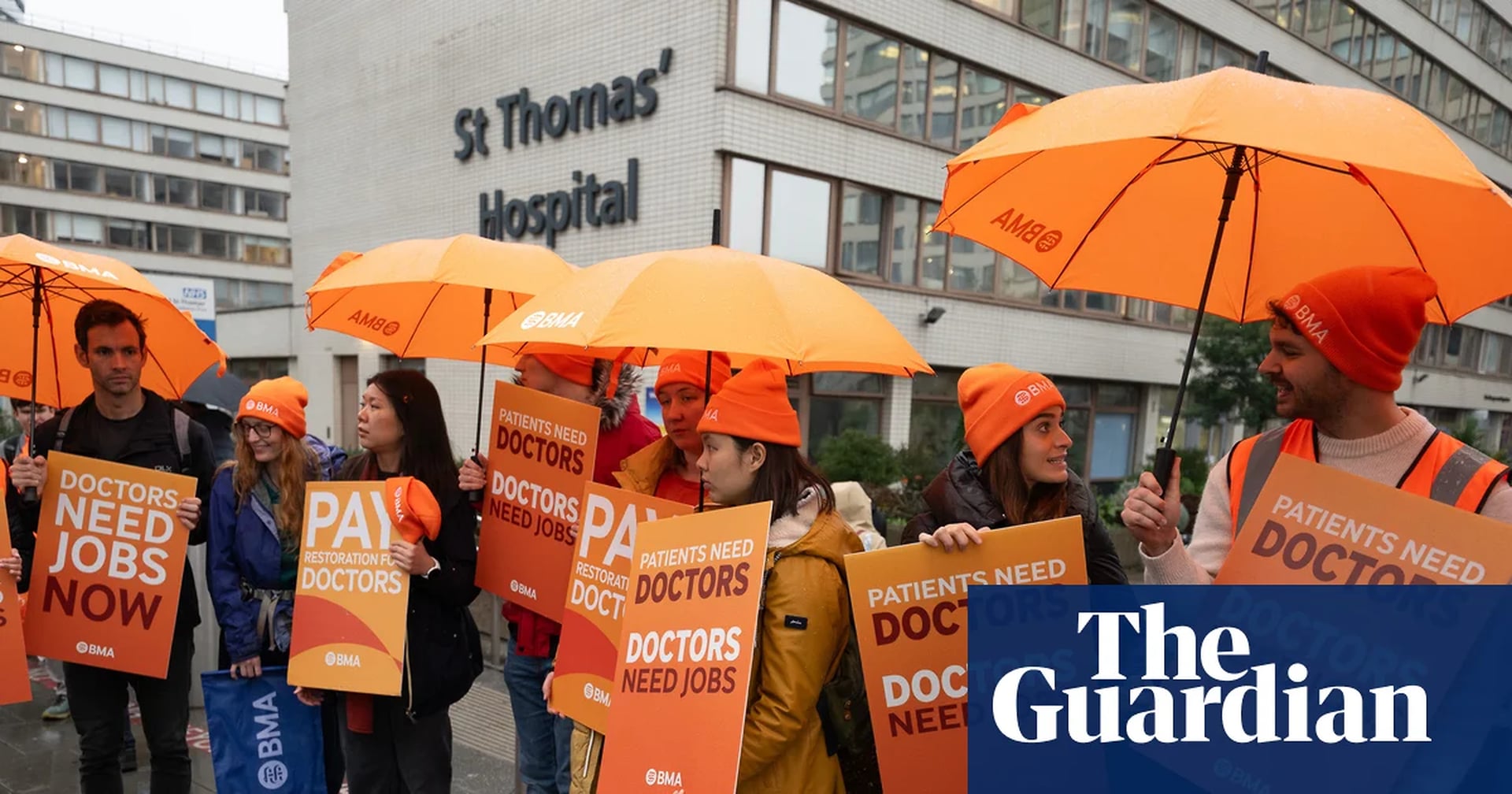
The recent announcement by medical professionals in England to undertake significant industrial action over pay and working conditions casts a stark light on a recurring global challenge: the delicate equilibrium between the demands of healthcare workers and the imperative to maintain uninterrupted patient care. While the immediate focus might be on the National Health Service (NHS) and its patients, this scenario echoes similar struggles unfolding across continents, underscoring a universal vulnerability within public health infrastructures. From overburdened hospitals in rapidly developing economies to underfunded clinics in established welfare states, the core issues of adequate resourcing, fair compensation, and sustainable working conditions for medical staff resonate globally, creating a shared human experience of healthcare uncertainty.
Healthcare strikes, by their very nature, present a profound ethical and logistical quandary. Professionals sworn to uphold life and health find themselves in a position where withdrawing their labor, even for legitimate grievances, can directly impact the well-being of those they serve. This is not a decision taken lightly, often emerging as a last resort after prolonged periods of negotiation failures, perceived governmental neglect, or systemic underinvestment. The reasons for such actions are multifaceted, typically encompassing inadequate remuneration that fails to keep pace with inflation or cost of living, excessive workloads leading to burnout and compromised patient safety, deteriorating facilities, a chronic lack of essential resources, and the erosion of professional autonomy. These are not isolated incidents but part of a broader global pattern reflecting deep-seated issues in how societies value, fund, and manage their health services, particularly in the wake of unprecedented global health crises that have exposed and exacerbated existing fragilities.
The immediate consequence of such industrial action is a palpable disruption to patient services. Elective surgeries are postponed, routine appointments are cancelled, and diagnostic procedures face delays. For patients awaiting critical interventions, managing chronic conditions like diabetes or heart disease, or seeking urgent mental health support, these deferrals are not mere inconveniences; they can lead to worsening health outcomes, increased suffering, and, in severe cases, preventable morbidity or mortality. The ripple effect extends to emergency services, which become disproportionately burdened as patients with non-urgent but pressing conditions are left with no other recourse. This surge in demand strains an already stretched system, potentially compromising the quality of care even for critical emergencies. Beyond the immediate clinical impact, these disruptions erode public trust in healthcare systems. When individuals are urged to 'come forward as normal' while simultaneously witnessing widespread service reductions, a sense of uncertainty and anxiety can permeate the community. This can lead to patients delaying seeking care even when no strike is active, fearing further disruption or a compromised standard of service, creating a long-term detriment to public health and exacerbating existing health inequalities, as vulnerable populations often bear the brunt of such service interruptions.
The economic ramifications of healthcare strikes extend far beyond the direct costs of lost workdays or emergency contingency planning. A population with compromised health is a less productive population. Delays in treatment can prolong recovery times, leading to extended periods of absence from work or education, thereby impacting national productivity and economic growth. Businesses may face increased absenteeism, and the broader economy can suffer from reduced consumer confidence and investment. Families bear the financial burden of managing illness without adequate support, often incurring out-of-pocket expenses for private care or facing lost income. The social fabric can fray under the strain of perceived systemic failure, leading to increased social unrest and a decline in overall societal well-being. For developing nations, where healthcare infrastructure is often fragile and a significant portion of the population lives close to the poverty line, such disruptions can be catastrophic, setting back progress on critical public health indicators and exacerbating poverty cycles, making it harder to achieve sustainable development goals.
Governments and health authorities typically respond to impending or ongoing strikes with a two-pronged approach: urging patients to continue seeking necessary care while simultaneously implementing contingency plans to mitigate the most severe impacts. These plans often involve redeploying non-striking staff, relying on expensive agency workers, or prioritizing life-threatening emergencies over routine care. However, such measures are inherently limited and often unsustainable over prolonged periods, placing immense pressure on the remaining workforce and potentially compromising the quality of care due to unfamiliarity with new environments or patient histories. The negotiation process itself is often fraught with political complexities, balancing fiscal prudence with the legitimate demands of a vital workforce. Public perception, media scrutiny, and the looming threat of further action all play a role in shaping these high-stakes discussions, which can become protracted, further deepening the rift between healthcare providers and policymakers. This adversarial dynamic often delays meaningful resolution and prolongs the period of uncertainty for both patients and medical staff.
The prevalence of healthcare strikes globally points to deeper, systemic vulnerabilities within health systems worldwide. Many nations grapple with an aging population, a rising burden of chronic diseases, and the increasing cost of advanced medical technologies. Simultaneously, the global healthcare workforce faces unprecedented pressures, including burnout exacerbated by events like the recent pandemic, insufficient training pipelines, and a significant 'brain drain' where skilled professionals migrate to countries offering better pay and working conditions. Underfunding remains a critical issue in many regions, leading to a vicious cycle of understaffing, overwork, and declining morale. The challenge is not merely about increasing salaries but about fundamentally rethinking how healthcare is funded, delivered, and valued within national priorities. It requires a comprehensive approach that considers long-term workforce planning, mental health support for professionals, and equitable distribution of resources to ensure that every community has access to quality care.
Addressing the root causes of healthcare strikes requires a multifaceted and long-term strategy. This includes establishing robust and transparent negotiation frameworks that foster trust and allow for proactive problem-solving rather than reactive crisis management. Sustainable funding models, potentially involving innovative public-private partnerships or re-evaluating national budgetary allocations, are crucial to ensure adequate resources for both infrastructure and workforce. Investing in the well-being and professional development of healthcare workers is paramount. This encompasses fair remuneration, manageable workloads, access to mental health support, and opportunities for continuous learning and career progression. Furthermore, international cooperation in sharing best practices for workforce planning, retention strategies, and ethical recruitment can help mitigate global staffing imbalances, ensuring that all nations can build and sustain a competent and motivated healthcare workforce. Ultimately, safeguarding global public health necessitates a societal commitment to valuing its healthcare professionals and investing in resilient, equitable, and accessible health systems that can withstand future shocks and serve all populations without interruption.
The situation in England, while specific in its context, serves as a powerful reminder of the interconnected challenges facing healthcare systems globally. It underscores the urgent need for collaborative, forward-thinking solutions that prioritize patient well-being, acknowledge the invaluable contributions of medical professionals, and build robust health infrastructures capable of delivering consistent, high-quality care to every individual, everywhere. The lessons learned from one nation's struggle can inform strategies for others, fostering a global dialogue on how best to protect and strengthen the very foundations of public health for generations to come. Nivaran Foundation remains committed to highlighting these critical issues and advocating for policies that strengthen global health equity and access.
Support Nivaran Foundation's efforts to advocate for stable and accessible healthcare systems worldwide.
Talk to Nivaran Global