
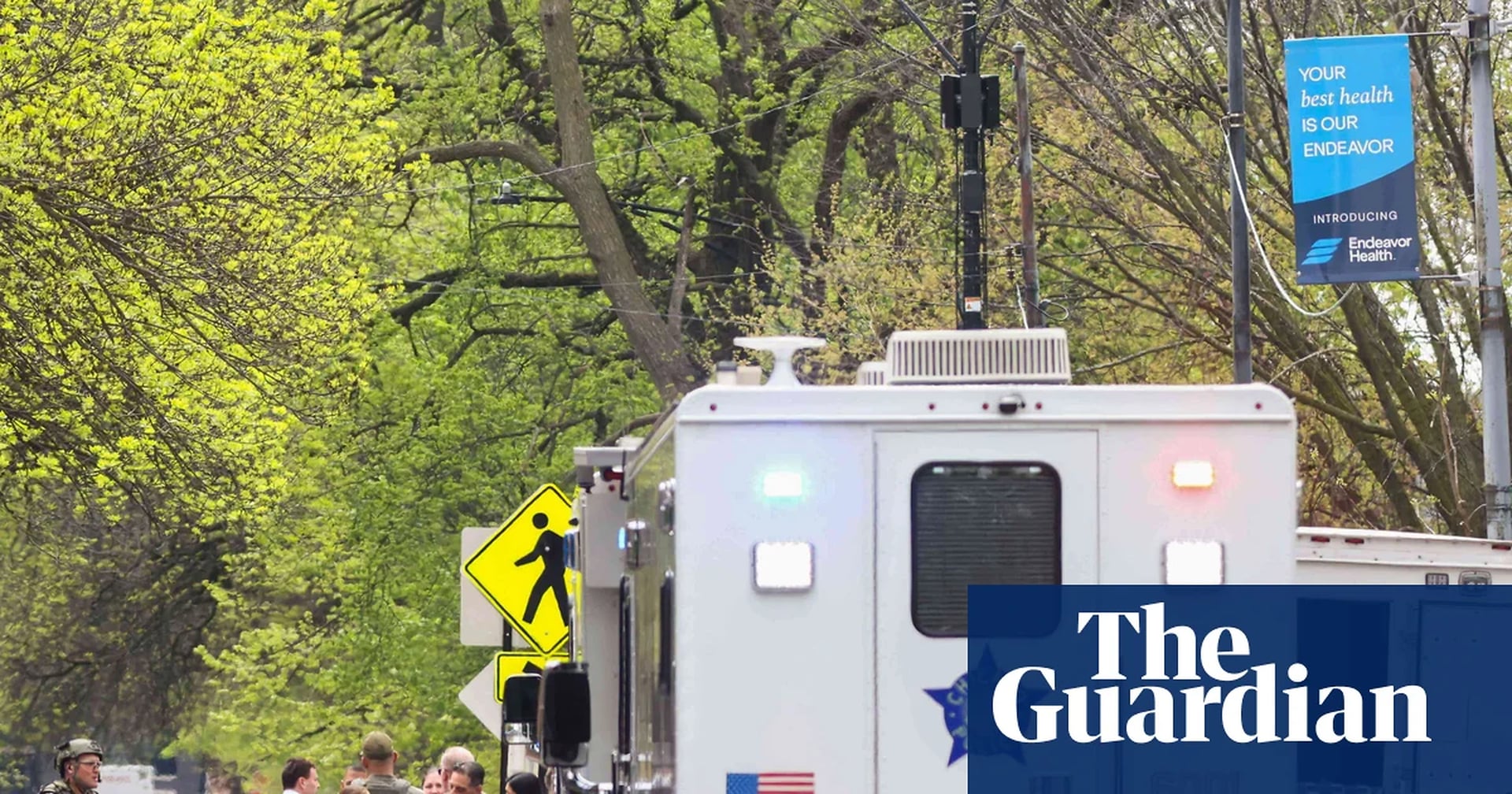
The sanctity of healthcare institutions, long regarded as safe havens for healing and care, is increasingly under threat globally. A recent tragic incident at a Chicago hospital, where a police officer lost their life and another was critically injured in a shooting, serves as a grim reminder of the escalating violence encroaching upon these vital spaces. While the suspect in this particular event has been taken into custody, the reverberations of such an attack extend far beyond the immediate location, echoing a pervasive and growing concern for the safety of healthcare professionals, patients, and visitors worldwide. This incident in a major urban center underscores a broader, global challenge that demands immediate and comprehensive attention, highlighting the vulnerability of the very places dedicated to preserving life and well-being.
Hospitals, clinics, and other medical facilities are designed to be sanctuaries, places where individuals can seek solace and treatment without fear. However, across continents, these environments are increasingly becoming targets or inadvertent scenes of violence. The types of incidents range from active shooter scenarios, like the one witnessed in Chicago, to physical assaults on staff, verbal abuse, threats, and even large-scale attacks in conflict zones. This pervasive violence is not confined to specific regions or political climates; it is a global phenomenon affecting both developed and developing nations, urban metropolises and rural communities alike. The implications are profound, impacting not only the immediate victims but also the entire healthcare ecosystem and, by extension, public health.
The human cost of such violence is immeasurable. Healthcare workers, who dedicate their lives to caring for others, are often on the front lines, facing heightened risks. Nurses, doctors, paramedics, security personnel, and administrative staff are regularly exposed to aggression, sometimes from distressed patients or their families, at other times from individuals with malicious intent. The psychological toll on these professionals is substantial, leading to increased rates of burnout, post-traumatic stress disorder, anxiety, and depression. This constant threat erodes morale, contributes to staff shortages, and can deter individuals from pursuing careers in healthcare, exacerbating existing global health workforce crises. When those who heal are themselves in constant fear, the quality and accessibility of care inevitably suffer.
Beyond the direct impact on personnel, violence in healthcare settings severely disrupts the delivery of essential services. A lockdown or evacuation due to a security threat can halt critical surgeries, delay emergency treatments, and interrupt routine appointments. For patients already in vulnerable states, such disruptions can have life-threatening consequences. The fear generated by these incidents can also deter individuals from seeking necessary medical attention, particularly in communities where trust in institutions is already fragile. This creates a vicious cycle where violence not only harms directly but also undermines the fundamental right to health by making access to care more perilous and less reliable.
The economic ramifications of violence in healthcare are also significant. Hospitals and health systems are forced to divert substantial resources towards enhancing security measures, including installing advanced surveillance systems, hiring more security personnel, implementing stricter access controls, and conducting regular drills. These investments, while necessary, often come at the expense of other critical areas, such as patient care improvements, medical research, or staff training. Furthermore, there are costs associated with property damage, legal fees, and the long-term medical and psychological support required for victims of violence. These financial burdens strain already stretched healthcare budgets, particularly in resource-limited settings, hindering the ability to provide comprehensive and equitable care.
Several factors contribute to the global rise in healthcare violence. Societal violence, whether driven by gang activity, domestic disputes, or broader civil unrest, frequently spills over into hospitals, as victims and perpetrators alike may end up in emergency departments. The increasing prevalence of mental health crises, often exacerbated by socio-economic pressures, can also lead to violent outbursts within clinical settings, especially when individuals are not receiving adequate support or are experiencing acute distress. The easy availability of firearms in many parts of the world further escalates the potential for lethal outcomes during these incidents. Moreover, a perceived lack of consequences for aggressors, coupled with insufficient de-escalation training for staff, can create an environment where violence is more likely to occur or escalate.
Addressing this multifaceted challenge requires a comprehensive, multi-pronged approach that integrates security enhancements with preventative measures and robust support systems. One critical area is the implementation of advanced security protocols. This includes controlled access points, metal detectors where appropriate, increased security personnel presence, and sophisticated surveillance technologies. However, security measures alone are not sufficient; they must be complemented by a culture of safety and preparedness. Regular training for all staff in de-escalation techniques, conflict resolution, and active threat response is paramount. Empowering healthcare workers with the skills to identify and manage potentially violent situations before they escalate can significantly reduce incidents.
Furthermore, policy and legislative frameworks play a crucial role. Governments worldwide must enact and enforce stronger laws that protect healthcare workers and facilities, imposing severe penalties for acts of violence against them. Adequate funding must be allocated to support these initiatives, ensuring that healthcare institutions have the resources to implement necessary security upgrades and training programs. International cooperation and the sharing of best practices are also vital. Learning from successful models implemented in different countries can help tailor effective strategies to diverse local contexts, fostering a global network of resilience against healthcare violence.
Beyond security, a holistic approach must also address the underlying causes of violence. This includes investing in community mental health services to provide timely support for individuals in crisis, thereby reducing the likelihood of violent episodes in healthcare settings. Public awareness campaigns can also help educate communities about the critical role of healthcare institutions and the importance of respecting these environments and the professionals who work within them. Fostering a culture of respect and understanding can contribute significantly to creating safer spaces for everyone.
The Chicago hospital shooting is a stark and painful reminder that the fight to protect healthcare environments is a global imperative. It is a call to action for governments, healthcare organizations, communities, and individuals to unite in safeguarding these essential institutions. Ensuring the safety of healthcare workers and patients is not merely an operational concern; it is a fundamental ethical responsibility and a prerequisite for achieving global health equity. When hospitals are no longer safe, the very fabric of public health unravels, leaving the most vulnerable without recourse. Nivaran Foundation believes that safe environments for health and education are foundational pillars for societal progress. The global community must act decisively and collaboratively to ensure that healthcare facilities remain true sanctuaries of healing, free from the shadow of violence, allowing those dedicated to care to perform their life-saving work without fear. The time for concerted global action to protect these sacred spaces is now.
Support Nivaran Foundation's global initiatives to foster safe environments for health and education worldwide.
Talk to Nivaran Global