
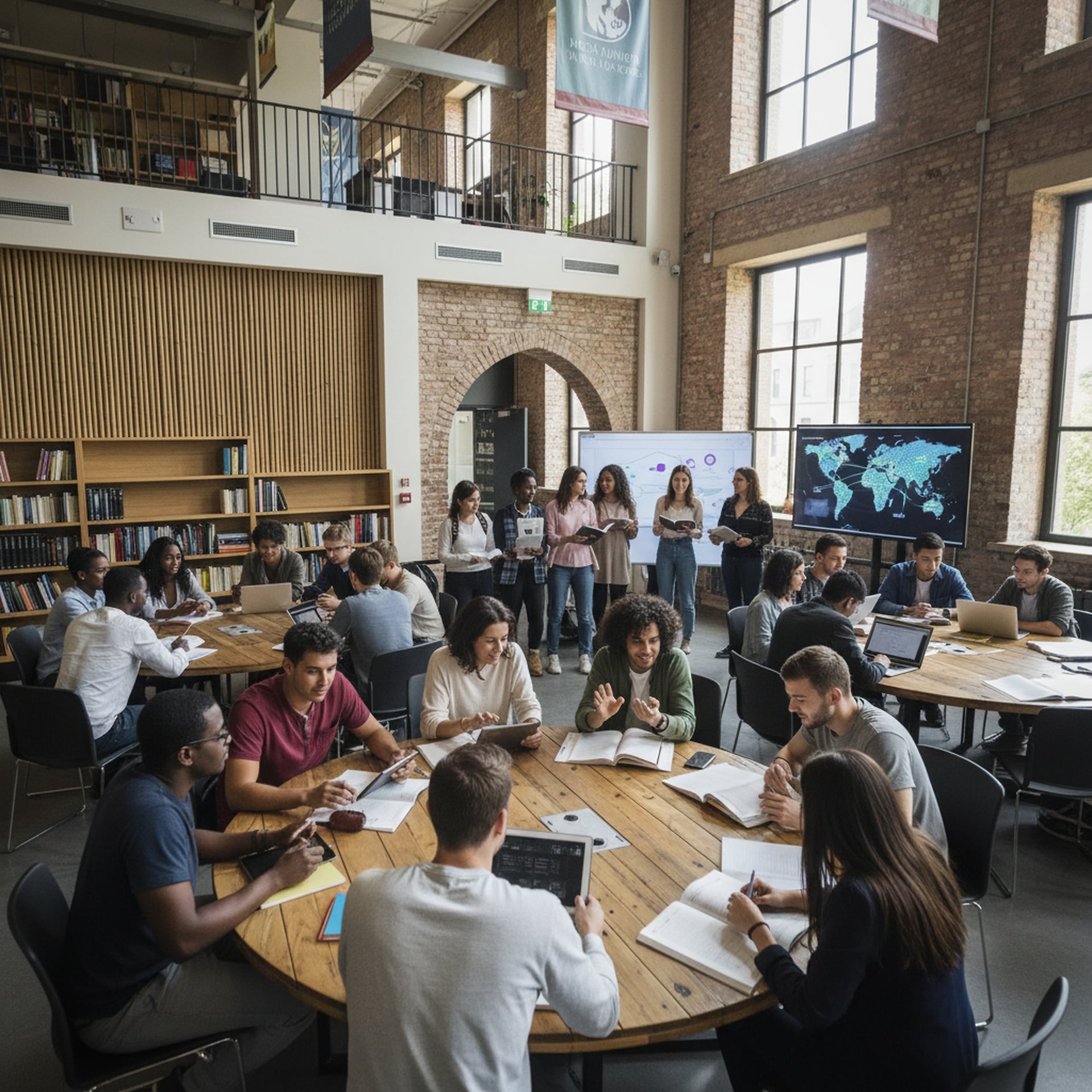
The fundamental purpose of higher education is once again at the forefront of global discourse, sparking intensive debate among academics, policymakers, students, and the public alike. Triggered by recent discussions, such as those surrounding a comprehensive report on academic reform at a prominent institution, the conversation extends far beyond any single campus or nation. It delves into the very essence of what universities are meant to achieve in an increasingly complex and interconnected world, questioning whether their primary role is to prepare individuals for the workforce, cultivate critical thinkers, drive social mobility, or serve as epicenters of groundbreaking research and innovation.
Historically, the aims of higher education have varied significantly across cultures and eras. From the ancient academies focused on philosophical inquiry to medieval universities centered on theology and law, and later, the Enlightenment's emphasis on scientific discovery and rational thought, the mission has always reflected prevailing societal values. Today, as the global landscape shifts dramatically under the influence of technological advancement, economic volatility, and pressing planetary challenges, the expectations placed upon universities are more diverse and demanding than ever before. This multifaceted pressure necessitates a re-evaluation of their core objectives and how effectively they are being met.
One dominant perspective champions higher education primarily as a pathway to economic opportunity and career readiness. Proponents of this view argue that in a competitive global economy, universities must equip graduates with the specific skills and knowledge required by industries. They point to the growing demand for STEM fields, digital literacy, and practical competencies, suggesting that curricula should be closely aligned with labor market needs to ensure graduates are immediately employable. This outlook often emphasizes the return on investment in education, viewing tuition fees and years of study as a direct investment in future earning potential. For many families and individuals worldwide, the promise of a stable, well-paying job is the most compelling reason to pursue a university degree, making vocational relevance a critical measure of an institution's value.
Conversely, a strong counter-argument emphasizes the enduring importance of intellectual development and the cultivation of well-rounded citizens. This perspective, deeply rooted in the liberal arts tradition, posits that the true value of higher education lies in fostering critical thinking, analytical reasoning, ethical discernment, and a broad understanding of human knowledge and culture. Advocates argue that while job-specific skills may become obsolete, the ability to think independently, adapt to new information, and engage in informed civic discourse remains invaluable. They contend that universities should be places for intellectual exploration, where students learn how to learn, how to question, and how to contribute meaningfully to society beyond their professional roles. This holistic approach aims to produce individuals who are not just skilled workers, but thoughtful leaders and engaged global citizens capable of tackling complex societal issues.
Beyond individual development, higher education plays a crucial role in driving social progress and equity. Universities globally serve as powerful engines for social mobility, offering pathways for individuals from disadvantaged backgrounds to improve their life circumstances and contribute to the broader economy. By providing access to quality education, institutions can help bridge socio-economic divides, foster inclusivity, and empower marginalized communities. This dimension of higher education is particularly vital in developing nations, where expanding access to tertiary education can be a catalyst for national development, poverty reduction, and the promotion of democratic values. Ensuring equitable access, however, remains a significant challenge, requiring sustained investment and innovative policy solutions to overcome barriers of cost, geography, and systemic inequality.
Furthermore, universities stand as indispensable pillars of research and innovation, pushing the boundaries of human knowledge and addressing some of the world's most pressing challenges. From breakthroughs in medical science and sustainable energy to advancements in artificial intelligence and cultural understanding, university-led research is a primary driver of global progress. These institutions serve as hubs where interdisciplinary collaboration flourishes, bringing together diverse minds to tackle complex problems like climate change, global pandemics, and food security. The intellectual capital generated within universities not only contributes to academic advancement but also fuels economic growth through technological transfer, entrepreneurship, and the creation of new industries, underscoring their profound societal impact.
Despite these diverse and vital roles, higher education faces numerous contemporary challenges that demand careful consideration. The escalating cost of tuition and student debt in many countries creates significant barriers to access, raising questions about affordability and the true cost-benefit analysis for students. Concerns about the relevance and rigor of certain curricula persist, with some critics suggesting that academic standards have eroded or that programs are not adequately preparing students for the realities of the modern world. Moreover, universities are increasingly navigating complex issues related to academic freedom, intellectual diversity, and the balance between fostering open discourse and ensuring inclusive environments. These challenges necessitate ongoing dialogue and adaptive strategies to maintain the integrity and effectiveness of higher education globally.
Looking ahead, the future of higher education will undoubtedly involve continuous adaptation and evolution. The integration of digital technologies, including online learning platforms and artificial intelligence, is transforming pedagogical approaches and expanding access to education beyond traditional campus boundaries. Hybrid learning models, which blend in-person and virtual instruction, are becoming more prevalent, offering flexibility and catering to diverse learning styles. The concept of lifelong learning is also gaining traction, recognizing that education is not a one-time event but a continuous process necessary for navigating rapidly changing professional and personal landscapes. Global collaboration among institutions will become even more critical, fostering cross-cultural understanding and enabling shared solutions to universal problems.
In conclusion, the global debate over the purpose of higher education underscores its multifaceted and indispensable role in society. Whether viewed through the lens of economic utility, intellectual enrichment, social justice, or scientific advancement, universities remain crucial institutions for individual flourishing and collective progress. While the specific emphasis may vary across regions and cultures, the overarching goal must be to cultivate adaptable, critical-thinking individuals who are equipped to contribute meaningfully to a dynamic world. Sustained dialogue, innovative reforms, and a commitment to accessibility and excellence will be essential to ensure that higher education continues to meet the evolving needs and aspirations of humanity in the decades to come, serving as a beacon of knowledge, opportunity, and societal betterment for all.
Support Nivaran Foundation's commitment to fostering informed global dialogues on critical educational issues.
Talk to Nivaran Global