
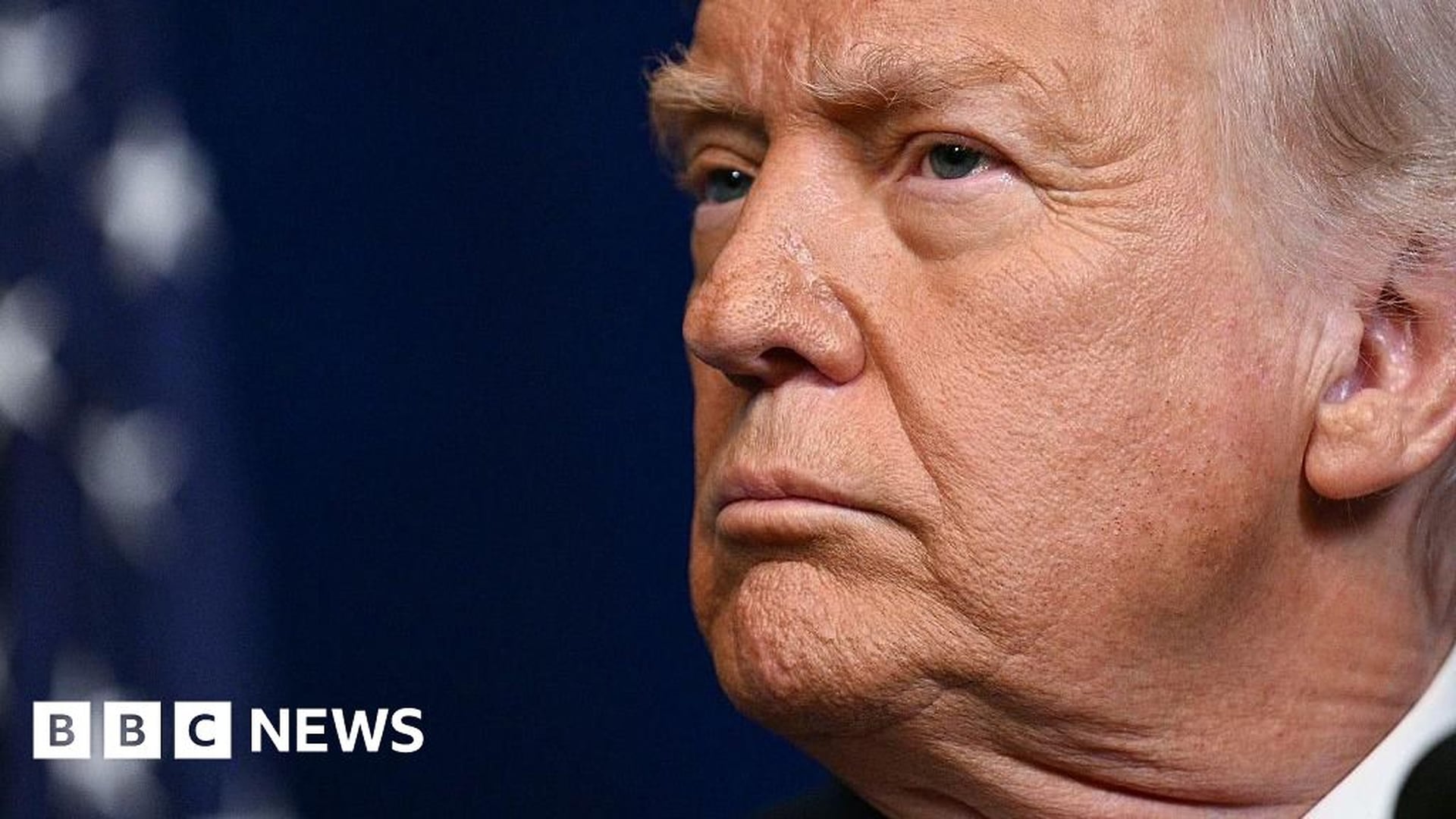
The recent announcement from the White House regarding the US president's annual medical examination, declaring him in “excellent health” and “fully fit” to carry out his demanding duties, extends far beyond a routine health update for a single nation. This report, confirming the leader's robust physical condition, serves as a poignant reminder of the universal importance of transparency in the health of global leaders and its profound implications for international stability, governance, and public trust worldwide. In an increasingly interconnected world, where decisions made by heads of state reverberate across continents, the physical and mental well-being of these individuals is not merely a private matter but a critical component of global security and effective policy-making.
The health of a nation's leader is inextricably linked to the stability of its government and, by extension, to the broader international landscape. When a leader's health is perceived to be in question, it can trigger uncertainty in financial markets, create diplomatic unease, and even embolden adversaries. Conversely, clear and consistent reporting on a leader's fitness for office can foster confidence among allies, reassure citizens, and project an image of strength and continuity. This transparency is particularly crucial in democratic societies, where citizens have a right to be informed about the capacity of those they elect to govern. The White House's proactive release of the president's medical results, therefore, sets a precedent for accountability that many nations aspire to, even if the specifics of disclosure vary widely across different political systems.
The demands placed upon global leaders are immense, encompassing relentless travel, high-stakes decision-making, constant public scrutiny, and often, significant personal sacrifice. The physical toll of such a lifestyle—characterized by irregular sleep patterns, diverse time zones, and often limited opportunities for sustained personal well-being—can be substantial. Beyond the physical, the mental and emotional pressures are arguably even more profound. Leaders must navigate complex geopolitical challenges, manage domestic crises, and maintain a steady hand in times of global uncertainty. A leader's physical health directly underpins their mental resilience and cognitive function, which are essential for sound judgment and effective governance. Any compromise in health, whether physical or psychological, could potentially impair their ability to make critical decisions, impacting not just their own nation but also international relations and global initiatives.
History offers numerous examples where the health of a leader, or the lack of transparency surrounding it, has had significant ramifications. Periods of uncertainty regarding a head of state's well-being have often coincided with political instability, shifts in power dynamics, or even delayed responses to major crises. While specific historical figures are often cited, the underlying principle remains constant: the perception of a leader's vitality can profoundly influence national and international confidence. This historical context underscores why contemporary societies increasingly advocate for greater openness regarding the health status of their highest officials, recognizing that such information is vital for maintaining trust and ensuring continuity in leadership.
From a global health perspective, the fitness of leaders is paramount. Major international health initiatives, such as pandemic preparedness, climate change mitigation, and efforts to achieve universal health coverage, require sustained, vigorous leadership. A leader who is physically and mentally robust is better positioned to engage in demanding diplomatic negotiations, champion complex policy reforms, and mobilize international resources. Their personal capacity to endure long hours of debate, travel to critical summits, and maintain focus on intricate global challenges directly impacts the efficacy of these collective endeavors. For organizations like the Nivaran Foundation, which champions global health and education, the health of leaders is not an abstract concept but a tangible factor influencing the progress of humanity.
The role of dedicated medical teams in ensuring a leader's fitness for office is critical and often understated. These professionals are tasked with the delicate balance of providing comprehensive care, maintaining patient confidentiality, and advising on the leader's capacity to perform their duties. Their reports, when made public, are often meticulously vetted and presented in a manner designed to inform without unduly alarming. The ethical framework governing such disclosures is complex, aiming to protect the leader's privacy while upholding the public's right to know. Establishing clear protocols for medical examinations and the release of information is a hallmark of good governance, contributing to an environment of trust and predictability.
Despite the growing recognition of its importance, there is no universally adopted standard for reporting on the health of global leaders. Practices vary widely, from detailed annual reports in some nations to minimal or no disclosure in others. This disparity can lead to speculation and create information vacuums that are detrimental to international relations. A more harmonized approach, perhaps guided by international best practices, could enhance global transparency and reduce potential points of friction. While complete uniformity may be unattainable given diverse political cultures, a shared understanding of the principles of disclosure could significantly benefit the global community.
Furthermore, a leader's perceived vitality can directly influence their diplomatic leverage and the effectiveness of their foreign policy agenda. A leader who projects strength and endurance is often seen as a more formidable negotiator and a more reliable partner on the world stage. This perception can affect everything from trade agreements to security alliances. Conversely, any hint of frailty, whether real or imagined, can be exploited by rivals or lead to a weakening of a nation's standing. Thus, the medical report of a president, while seemingly domestic, carries significant weight in the intricate dance of international diplomacy.
Beyond physical health, the psychological well-being of global leaders is equally critical. The constant pressure, isolation, and immense responsibility can take a severe toll. While medical reports typically focus on physical parameters, the interplay between physical health and mental resilience is undeniable. A leader in excellent physical condition is often better equipped to withstand the psychological stresses of their role, maintaining clarity of thought and emotional stability under duress. This holistic view of health is essential for sustained, effective leadership and contributes to the overall stability of global governance.
The challenge lies in communicating complex medical information in a manner that is both accurate and reassuring to a diverse global audience. Medical terminology can be opaque, and the nuances of health status can be easily misinterpreted. Therefore, the way in which a leader's health report is presented, often through official statements and press briefings, plays a crucial role in shaping public perception. Striking the right balance between comprehensive detail and accessible language is an art form that directly impacts public confidence and international understanding.
In conclusion, the recent health report of the US president, while specific to one nation, serves as a powerful catalyst for a broader global conversation about the profound importance of leader health. It underscores the critical need for transparency, not just as a matter of domestic accountability, but as a cornerstone of international stability and effective global governance. As the world faces increasingly complex challenges, from public health crises to geopolitical tensions, the capacity of its leaders to navigate these issues with vigor and clarity remains paramount. The Nivaran Foundation continues to advocate for robust health systems and transparent governance, recognizing that the well-being of leaders is intrinsically linked to the well-being of the global community.
Support Nivaran Foundation's independent global health reporting and advocacy.
Talk to Nivaran Global