
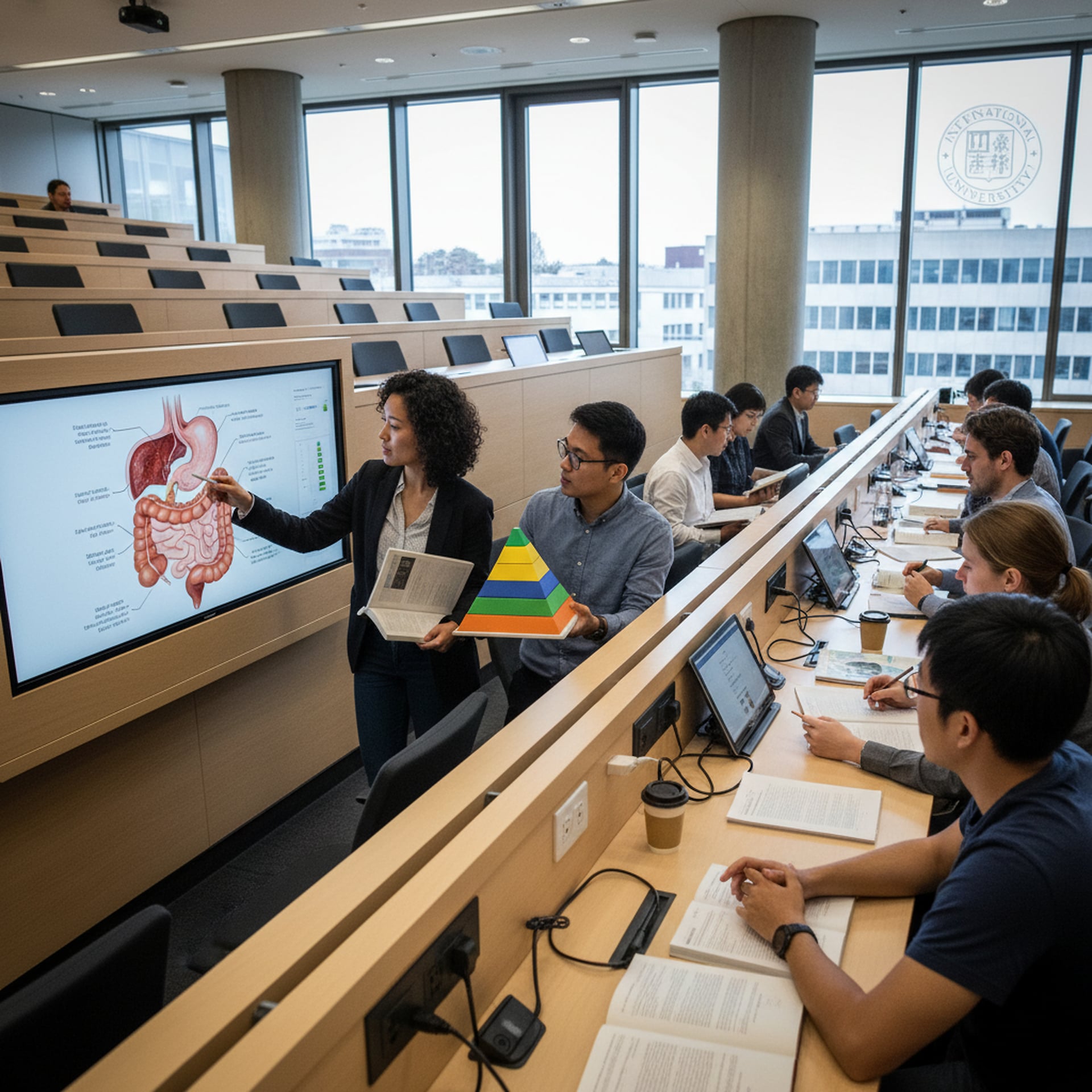
A significant shift is underway in medical education, signaled by a leading accreditation body's decision to mandate comprehensive nutrition training for medical students. This pivotal change, emerging from recent calls for curriculum redesign, reflects a growing global consensus on the indispensable role of diet in health and disease. The move by the agency, which oversees numerous medical schools, involved a revision of its criteria, notably adding nutrition as a core requirement while simultaneously adjusting other standards, including the removal of certain diversity-related mandates. While the broader implications of these revised accreditation guidelines are multifaceted, the integration of nutrition stands out as a critical step towards equipping future physicians with the tools necessary to tackle the escalating worldwide burden of diet-related chronic illnesses.
For decades, nutrition has often been relegated to a peripheral role in medical school curricula across many parts of the world. While foundational sciences like anatomy, physiology, and pharmacology have always been central, the practical application of nutritional science in patient care has frequently been overlooked or given minimal attention. This historical neglect has left generations of medical professionals ill-equipped to effectively counsel patients on diet and lifestyle, despite the undeniable link between nutrition and the prevalence of non-communicable diseases such as type 2 diabetes, cardiovascular disease, obesity, and certain cancers. As these conditions continue to rise globally, placing immense strain on healthcare systems and diminishing quality of life, the imperative for change has become undeniable.
This recent development underscores a critical paradigm shift towards preventive medicine and a more holistic approach to health. Modern medical practice increasingly recognizes that treating symptoms alone is insufficient; addressing the root causes of disease, many of which are lifestyle and diet-related, is paramount. By embedding robust nutrition education into the core curriculum, medical schools aim to empower future doctors to not only diagnose and treat illness but also to proactively guide patients towards healthier living. This proactive stance holds the potential to significantly improve public health outcomes, reduce the long-term burden of chronic diseases, and ultimately lower healthcare costs worldwide.
The specific decision by the aforementioned accreditation agency to elevate nutrition to a mandatory component of medical training in the United States is a landmark moment. It signifies a formal acknowledgment at the highest levels of medical education governance that nutritional literacy is not an optional specialty but a fundamental competency for all physicians. This mandate will compel medical institutions to restructure their teaching methodologies, allocate resources, and develop comprehensive modules that go beyond basic biochemistry, delving into clinical nutrition, dietary assessment, and patient counseling strategies. The implications for how medical students are taught and how they practice medicine in the future are profound.
While this particular change originates from a specific national context, its ripple effect is expected to resonate across the globe. Medical education is a highly interconnected field, with accreditation standards and best practices often influencing reforms in other countries. Many nations face similar deficiencies in their medical training regarding nutrition, and this move could serve as a powerful catalyst for other accreditation bodies and national medical councils to re-evaluate their own curricula. The global health community has long advocated for stronger nutrition education, and this development provides significant momentum for those efforts, highlighting a universal need for better-prepared healthcare providers.
Indeed, the landscape of nutrition education in medical schools varies widely across different regions. Some European countries, for instance, have made strides in integrating clinical nutrition into their curricula, often driven by national health policies focused on public health and preventive care. In contrast, many developing nations struggle with limited resources, making it challenging to introduce comprehensive nutrition programs into already strained educational systems. This disparity underscores the need for international collaboration and knowledge sharing to ensure that all future doctors, regardless of where they train, possess a foundational understanding of nutrition's impact on health.
Effective integration of nutrition into medical education goes beyond simply adding more lectures. It requires a thoughtful redesign that weaves nutritional principles throughout the entire curriculum, from basic sciences to clinical rotations. This includes teaching students how to conduct thorough dietary histories, interpret nutritional biomarkers, understand the impact of diet on various disease states, and provide culturally sensitive and practical dietary advice. Furthermore, fostering interdisciplinary collaboration with registered dietitians and nutritionists will be crucial, allowing medical students to learn from experts and understand the full scope of nutritional care.
However, implementing such a significant curricular overhaul is not without its challenges. Medical school curricula are already notoriously dense, and finding space for new material without compromising existing essential subjects will require careful planning and prioritization. There is also the challenge of faculty expertise; many current medical educators may not have extensive training in clinical nutrition, necessitating significant investment in faculty development and recruitment of specialized instructors. Furthermore, securing adequate funding for new programs, teaching materials, and practical training experiences will be critical, particularly in resource-constrained environments.
Despite these hurdles, the opportunities presented by this shift are immense. A new generation of doctors, well-versed in nutrition, will be better equipped to engage patients in meaningful conversations about lifestyle, leading to more effective disease prevention and management. This will not only improve individual patient outcomes but also contribute to healthier communities and more resilient public health systems. By empowering physicians to address diet as a primary determinant of health, medical education can play a transformative role in tackling some of the most pressing global health challenges of our time.
The advocacy efforts that have brought this issue to the forefront underscore the power of public and professional engagement in shaping educational policy. When influential voices and evidence-based arguments converge, they can drive significant and necessary reforms. This particular development serves as a testament to the growing recognition that a truly holistic approach to health requires a fundamental re-evaluation of how medical professionals are trained, moving beyond a purely pharmacological model to embrace lifestyle interventions as equally vital components of care.
The future medical professional will be expected to be more than just a diagnostician and prescriber; they will be a health coach, an educator, and a partner in their patients' well-being. This evolving role demands a broader skill set, with nutrition literacy at its core. As medical schools worldwide observe and potentially emulate this pioneering change, we can envision a future where doctors are routinely prepared to address the dietary needs of their patients, contributing to a global population that is not only living longer but also living healthier lives.
In conclusion, the mandate for comprehensive nutrition education in medical schools represents a pivotal moment for global health. It signals a collective awakening to the profound impact of diet on human well-being and the critical role physicians play in guiding healthier choices. As this reform takes root, it will undoubtedly inspire similar initiatives across the world, fostering a new era of medical practice where nutrition is not an afterthought but an indispensable pillar of comprehensive, preventive, and patient-centered care. The journey towards a healthier global society is intricately linked to the education of its future healers.
Support Nivaran Foundation's commitment to advancing global health education and holistic well-being.
Talk to Nivaran Global