
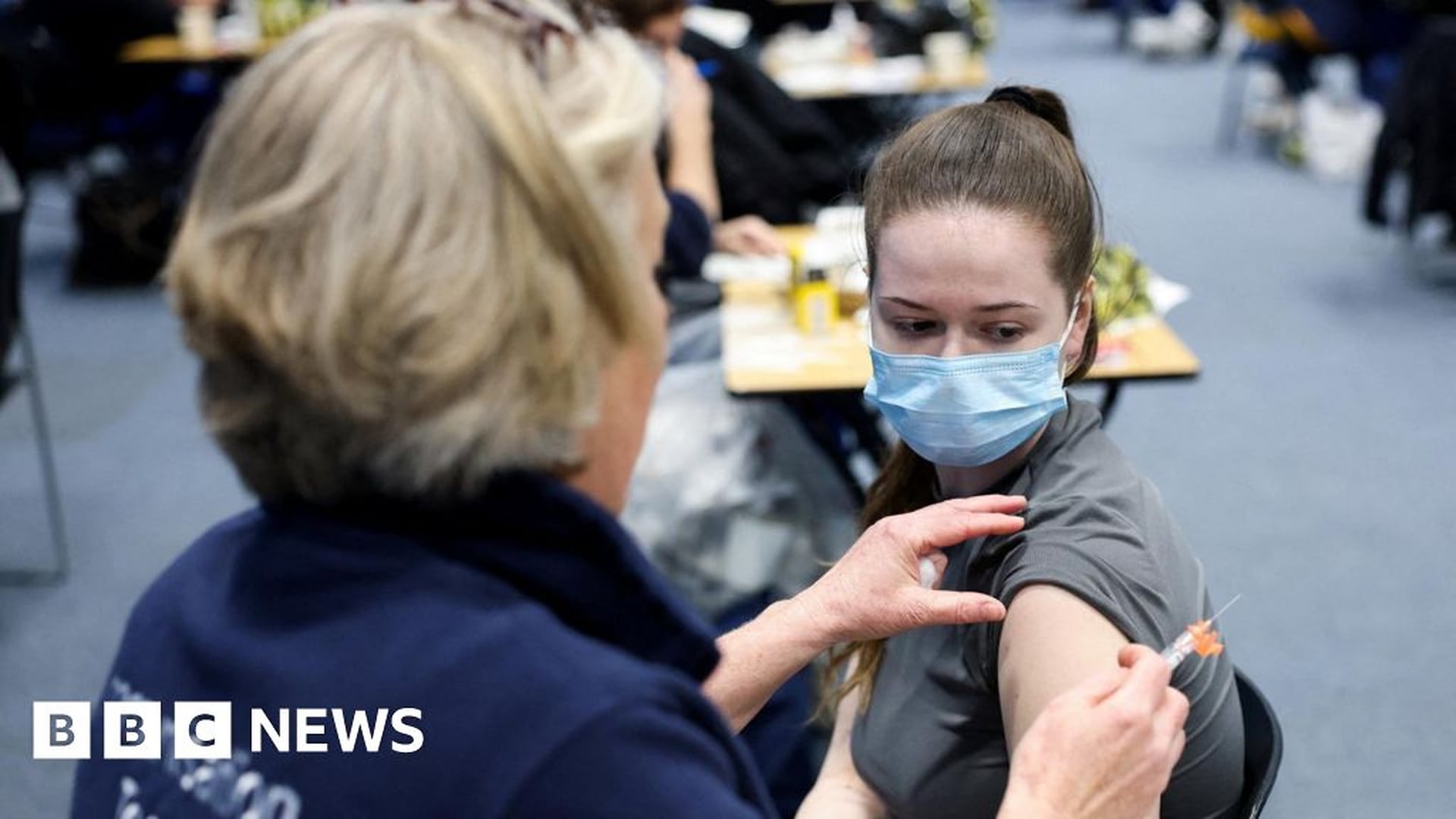
The global health community is breathing a collective sigh of cautious relief as health agencies worldwide confirm that a recent widespread meningitis outbreak has passed its peak. This epidemiological milestone marks a significant turning point in the ongoing public health challenge, indicating a decline in the rate of new infections and a potential easing of the immense pressure on healthcare systems across various regions. However, this positive development is tempered by a resounding call from health authorities for sustained vigilance, emphasizing that the battle against the disease is far from over and that continued monitoring and robust public health interventions are paramount.
Meningitis, an inflammation of the membranes surrounding the brain and spinal cord, can be a devastating illness. It can be caused by bacteria, viruses, fungi, or parasites, with bacterial meningitis being particularly dangerous due to its rapid onset and potential for severe complications, including brain damage, hearing loss, limb loss, or even death, often within hours if left untreated. The recent outbreak, while not specified in its exact etiology, has underscored the vulnerability of populations to such infectious diseases, especially in areas with limited access to healthcare, sanitation, and vaccination programs. The swift spread of the pathogen had prompted urgent responses from national governments and international organizations alike, mobilizing resources for diagnosis, treatment, and prevention.
The declaration that the outbreak has peaked is based on epidemiological data showing a consistent reduction in the incidence of new cases over a sustained period. This trend is typically observed after a combination of factors, including the natural course of the pathogen, the effectiveness of public health interventions such as vaccination campaigns, improved hygiene practices, and enhanced surveillance leading to earlier detection and isolation of cases. For many communities that have endured the fear and suffering associated with the outbreak, this news offers a glimmer of hope and a testament to the tireless efforts of healthcare workers and public health officials on the front lines.
Despite this encouraging news, health agencies are quick to point out that 'passing the peak' does not signify the end of the outbreak. The phrase implies that while the highest point of infection rates has been observed, new cases are still emerging, and the potential for localized surges or a secondary wave remains a tangible threat. Infectious diseases, particularly those with varied transmission dynamics and incubation periods, can be unpredictable. Factors such as population mobility, varying levels of immunity within different communities, and the potential for the pathogen to mutate or adapt can all contribute to an extended period of risk, even after the initial peak has subsided.
One of the primary reasons for continued vigilance is the uneven global distribution of the outbreak's impact and the differing capacities of national health systems. While some regions may have successfully brought their case numbers down, others, particularly those with weaker healthcare infrastructure or facing concurrent humanitarian crises, might still be grappling with high infection rates. The global interconnectedness of societies means that a resurgence in one area can quickly pose a threat to others, necessitating a harmonized and equitable global response. Therefore, international collaboration, data sharing, and resource allocation remain critical to ensure that no community is left behind in the recovery and prevention efforts.
Moreover, the long-term health consequences for individuals who have contracted meningitis, even those who recover, can be significant. Survivors may face persistent neurological issues, cognitive impairments, or other disabilities that require ongoing medical care and support. The societal burden extends beyond immediate treatment costs to include rehabilitation, special education services, and lost productivity, highlighting the need for comprehensive post-outbreak strategies that address both acute and chronic health needs. Public health initiatives must evolve to encompass not only disease control but also long-term patient care and community resilience building.
Sustained surveillance is a cornerstone of this continued vigilance. This involves not only tracking new reported cases but also actively monitoring for atypical presentations of the disease, identifying potential clusters, and conducting genomic sequencing to detect any emerging strains of the pathogen that might evade existing vaccines or treatments. Robust laboratory capacity, rapid diagnostic tools, and efficient data reporting systems are essential components of an effective surveillance network. Furthermore, contact tracing efforts must persist to identify individuals who may have been exposed and to ensure they receive appropriate prophylactic treatment or monitoring, thereby breaking chains of transmission.
Vaccination remains the most effective preventative measure against many forms of meningitis, particularly bacterial strains. While initial vaccination campaigns may have played a crucial role in curbing the recent outbreak, ongoing immunization efforts are vital. This includes ensuring high vaccination coverage rates, reaching underserved populations, and addressing vaccine hesitancy through targeted public health education campaigns. The equitable distribution of vaccines globally, often a challenge during widespread outbreaks, is paramount to achieving collective immunity and preventing future outbreaks from escalating to similar levels of crisis. Investment in vaccine research and development also continues to be crucial for developing broader-spectrum or more effective vaccines.
Beyond medical interventions, public health education plays a pivotal role. Communities need to be continuously informed about the symptoms of meningitis, the importance of seeking early medical attention, and simple preventative measures such as hand hygiene, avoiding close contact with sick individuals, and covering coughs and sneezes. Empowering individuals with knowledge enables them to protect themselves and their families, reducing the burden on healthcare systems and fostering a proactive approach to health within the community. Nivaran Foundation, through its global health education initiatives, emphasizes the importance of accessible and culturally sensitive health information to empower communities worldwide.
Looking ahead, the experience of this recent meningitis outbreak serves as a stark reminder of the persistent threat posed by infectious diseases and the critical need for resilient global health systems. It underscores the importance of investing in public health infrastructure, strengthening primary healthcare services, and fostering international cooperation to prepare for and respond to future health crises. While the passing of the peak offers a moment of collective relief, it also marks a transition into a new phase of the response – one characterized by sustained effort, strategic planning, and unwavering commitment to protecting global health. The lessons learned from this outbreak will undoubtedly inform future strategies for disease prevention and control, shaping a more prepared and responsive global health landscape.
Your support enables Nivaran Foundation to continue its critical work in global health education, disease surveillance, and community outreach during outbreaks like meningitis.
Talk to Nivaran Global