
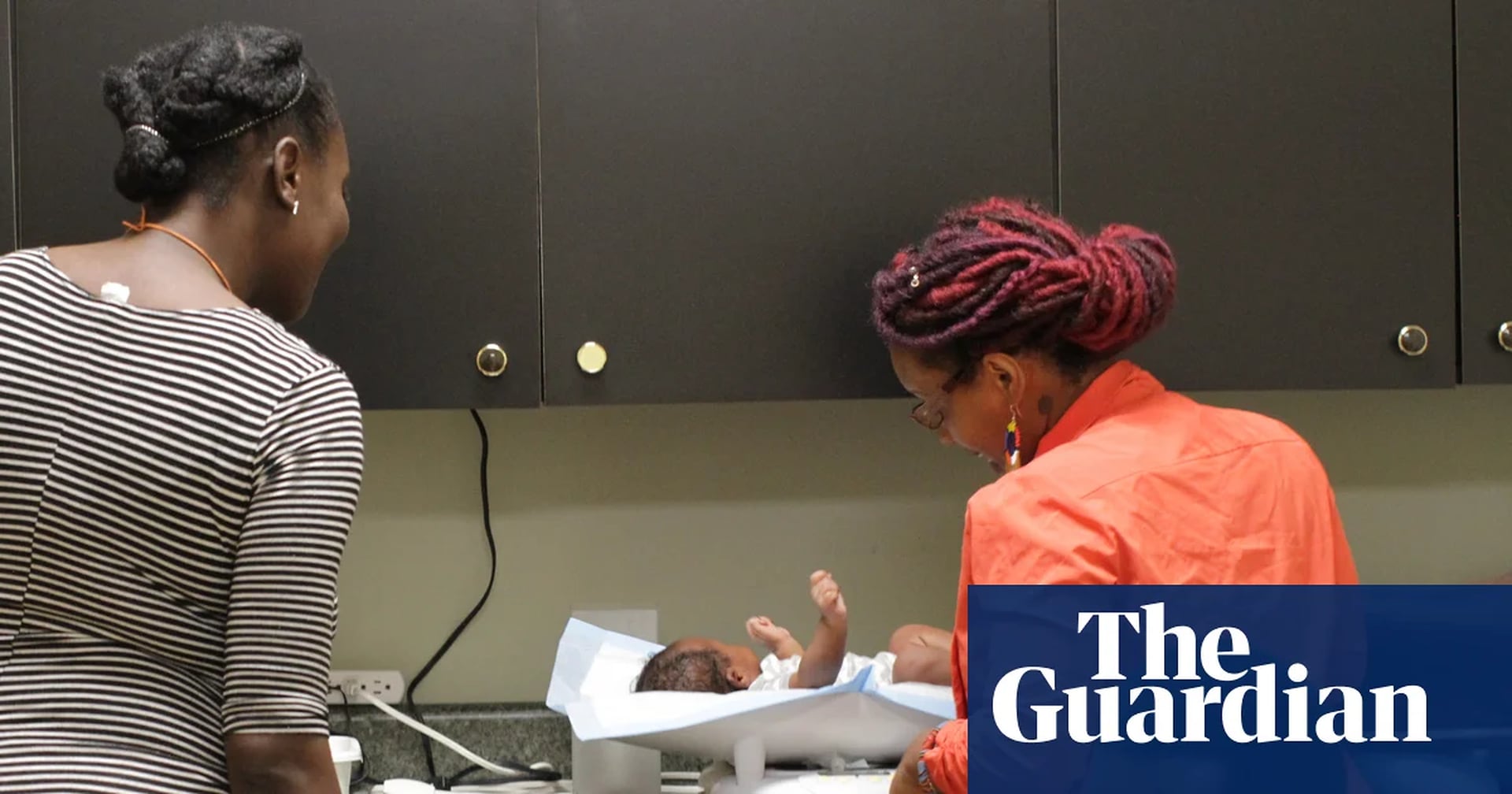
The global landscape of maternal healthcare is fraught with disparities, challenges, and an urgent need for innovative solutions. In many parts of the world, including economically developed nations, women face significant hurdles in accessing care that aligns with their preferences for a less medicalized birth experience. A striking example of this paradox unfolds in the American state of Georgia, where a new legal challenge seeks to dismantle laws that criminalize the practice of many highly skilled midwives. This situation, epitomized by the plight of professionals like Tamara Taitt, executive director of the Atlanta Birth Center, underscores a broader international struggle to recognize, integrate, and support midwifery as a cornerstone of safe and equitable maternal health. Taitt, a nationally accredited midwife, finds herself in a position where she is legally barred from providing the very clinical care she oversees, facing potential criminal charges in a state grappling with a severe maternal health crisis. This local struggle mirrors global debates on healthcare access, professional autonomy, and the fundamental right to choose one's birthing environment.
Georgia's legal framework presents a stark contradiction: while the state contends with alarmingly high rates of maternal mortality and morbidity, it simultaneously restricts the practice of midwives who offer a vital alternative to conventional hospital births. Birth centers, like the one Taitt directs, serve as havens for families seeking comprehensive, holistic prenatal care and a birthing experience that prioritizes natural physiological processes over routine medical interventions. These centers are particularly attractive in regions where medicalized births, such as C-sections, occur at rates significantly exceeding international health recommendations. The desire for patient-centered care, reduced invasiveness, and a more empowering birthing journey drives many to seek out midwives. However, restrictive laws not only limit these choices but also exacerbate existing inequities, especially for Black women who disproportionately experience adverse maternal outcomes and often seek out midwifery care for culturally sensitive support and a sense of agency. The legal battle in Georgia is not merely about professional licensing; it is about reproductive justice, health equity, and the right to choose a birthing path that feels safest and most respectful.
Globally, the role of skilled birth attendants, particularly midwives, is unequivocally recognized by leading health organizations as critical to reducing maternal and neonatal mortality. Despite this consensus, a significant gap persists between recognition and implementation. Millions of women worldwide still lack access to quality maternal care, leading to preventable deaths and disabilities. The World Health Organization (WHO) consistently advocates for strengthening midwifery services as a cost-effective and impactful strategy to improve maternal health outcomes. Midwives provide essential care across the continuum of pregnancy, birth, and the postpartum period, offering not just clinical expertise but also emotional support, education, and advocacy for birthing individuals and their families. Their presence is particularly vital in remote, rural, and underserved communities where access to obstetricians and fully equipped hospitals is scarce or non-existent. The challenges faced by midwives in Georgia, though specific to its legal context, resonate with broader global issues of underinvestment, lack of regulatory frameworks, and societal undervaluation of their profession.
The midwifery model of care stands in contrast to the often intervention-heavy medical model prevalent in many hospital settings. It emphasizes the physiological nature of birth, viewing pregnancy and childbirth as normal life events rather than inherently medical conditions requiring constant intervention. This approach typically involves continuous, personalized support from a known provider, shared decision-making, and a focus on preventative care and health promotion. Studies consistently show that midwifery-led care is associated with lower rates of C-sections, fewer episiotomies, reduced use of pain medication, and higher rates of breastfeeding initiation, all while maintaining excellent safety outcomes for both birthing parent and baby in low-risk pregnancies. By fostering an environment of trust and empowerment, midwives help individuals navigate their birthing journey with confidence and autonomy. This holistic perspective is not a luxury but a fundamental component of respectful maternity care, a human right that should be accessible to all, regardless of geographic location or socioeconomic status.
Beyond explicit criminalization, midwives globally encounter a myriad of systemic barriers that impede their ability to provide essential care. These include fragmented or absent regulatory frameworks, which can lead to confusion over scope of practice, licensing, and accreditation. In many regions, there is a severe shortage of well-trained midwives due to inadequate educational programs, insufficient funding for training institutions, and a lack of professional development opportunities. Furthermore, midwives often face challenging working conditions, including heavy workloads, low pay, and limited access to essential resources and equipment, particularly in low-resource settings. Societal biases and a lack of understanding about the midwifery profession also contribute to its marginalization, often positioning midwives as secondary to physicians rather than recognized as independent, highly skilled healthcare professionals. These barriers not only impact the midwives themselves but critically limit access to their life-saving services for millions of birthing individuals, perpetuating cycles of poor maternal health outcomes.
The consequences of restricting midwifery access are felt most acutely by vulnerable populations. In many nations, women of color, indigenous communities, and those in rural or low-income areas face systemic discrimination and historical inequities within the mainstream healthcare system. For these groups, midwifery care often represents a vital pathway to respectful, culturally competent, and empowering birth experiences. When midwifery services are curtailed, these communities are left with fewer options, often forced into medicalized settings where they may feel unheard, disrespected, or even experience obstetric violence. The fight for midwifery rights, therefore, is inextricably linked to the broader struggle for health equity and social justice. Ensuring that all women, especially those historically marginalized, have access to a full spectrum of safe and supportive birthing options, including midwifery care, is a moral imperative and a critical step towards achieving universal health coverage and reducing health disparities.
The lawsuit in Georgia, challenging the criminalization of midwives, serves as a powerful example of the advocacy efforts underway globally to reform outdated laws and integrate midwifery into mainstream healthcare. International organizations and national health bodies increasingly call for policies that support the education, regulation, and integration of midwives into interdisciplinary care teams. This includes establishing clear licensing pathways, ensuring fair compensation, and investing in robust training programs that meet international standards. Furthermore, public awareness campaigns are crucial to educate communities about the benefits and safety of midwifery care, dispelling myths and fostering greater trust. Learning from countries with strong midwifery-led systems, such as the Netherlands or the UK, offers valuable insights into how to successfully integrate midwives as primary care providers for pregnant individuals, leading to improved outcomes and patient satisfaction. The goal is not to replace obstetric care but to create a collaborative system where midwives and physicians work in partnership, each contributing their unique expertise to ensure the best possible care for every birthing person.
The situation in Georgia, where dedicated midwives face legal jeopardy for providing essential care, is a stark reminder of the global challenges hindering progress in maternal health. As nations strive to meet sustainable development goals related to health and well-being, the full recognition and integration of midwifery services must be prioritized. Empowering midwives, removing restrictive legal barriers, and investing in their education and infrastructure are not merely professional courtesies; they are fundamental strategies for saving lives, promoting health equity, and ensuring that every birthing person, regardless of their location or background, has access to safe, respectful, and high-quality maternal care. The global community must unite in advocating for policies that champion the vital role of midwives, transforming local struggles into universal victories for maternal health.
Support Nivaran Foundation's efforts to champion equitable access to quality healthcare and empower health professionals globally.
Talk to Nivaran Global