
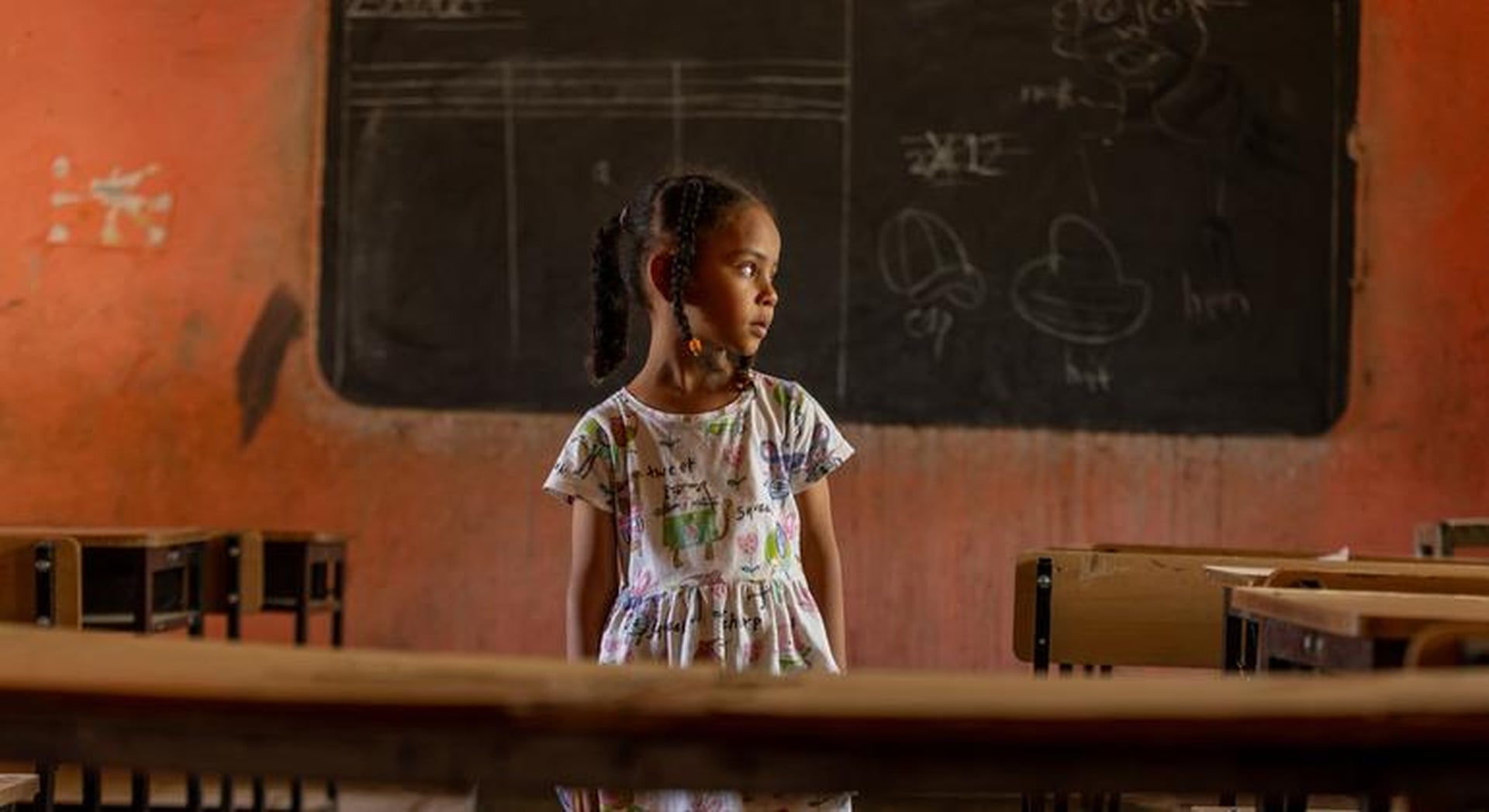
The global community faces an escalating crisis as the number of children and young people out of school worldwide has surged to an unprecedented 273 million, marking the seventh consecutive year of increase. This alarming figure, recently brought to light by a comprehensive report from the UN education agency, UNESCO, underscores a profound and worsening challenge to fundamental human rights and sustainable development across the globe. The implications of this educational deficit are far-reaching, impacting not only the individual trajectories of millions of young lives but also the collective progress and stability of nations.
The sheer scale of 273 million individuals denied access to formal education represents a staggering loss of human potential. These are not mere statistics; they are children and adolescents whose opportunities for personal growth, economic empowerment, and civic participation are severely curtailed. Without education, these young people are often trapped in cycles of poverty, vulnerability, and marginalization, perpetuating intergenerational inequalities that undermine social cohesion and economic advancement. The consistent rise in this number year after year signals that current global efforts are insufficient to stem the tide, demanding a critical re-evaluation of strategies and a renewed commitment from governments, international organizations, and civil society.
The drivers behind this escalating crisis are multifaceted and deeply entrenched, varying in intensity across different regions but sharing common threads. Poverty remains one of the most significant barriers to education. Millions of families, struggling to meet basic needs, are often forced to choose between sending their children to school and relying on them for labor or income generation. The direct costs of schooling, including fees, uniforms, books, and transportation, can be prohibitive for the poorest households, pushing children into early employment or domestic responsibilities instead of classrooms.
Conflict and humanitarian crises also play a devastating role. In regions plagued by armed conflict, schools are frequently destroyed, occupied, or become unsafe zones, forcing closures and displacing entire communities. Children caught in these situations are not only traumatized but also lose years of schooling, with many never returning. Displacement, whether internal or across borders, further complicates access to education, as host countries or temporary settlements often lack the infrastructure and resources to accommodate the influx of students, leading to prolonged educational disruption and psychological distress.
Gender inequality continues to be a pervasive barrier, particularly for girls in many parts of the world. Cultural norms, early marriage practices, and a lack of safe and accessible sanitation facilities in schools disproportionately affect girls' enrollment and retention rates. The perception that girls' education is less valuable than boys' or that their primary role is domestic often leads to their withdrawal from school, limiting their future prospects and perpetuating cycles of disempowerment. Addressing these deeply ingrained societal attitudes requires sustained advocacy, community engagement, and policy reforms that champion gender equality in education.
Furthermore, the lack of adequate educational infrastructure and qualified teachers is a critical systemic issue. Many rural and remote areas lack sufficient schools, and existing facilities are often overcrowded, dilapidated, or lack basic amenities like clean water and electricity. The shortage of trained and motivated teachers, particularly in underserved regions, compromises the quality of education available. Teachers are often underpaid, overworked, and lack professional development opportunities, leading to high turnover rates and a decline in instructional effectiveness. Without a robust and well-supported teaching workforce, the goal of quality education for all remains elusive.
Children with disabilities are another demographic frequently excluded from mainstream education systems. A lack of inclusive policies, accessible infrastructure, specialized teaching materials, and trained educators means that millions of children with physical, sensory, intellectual, or developmental disabilities are denied their right to learn. Stigma and discrimination further isolate these children, preventing them from accessing the support and opportunities they need to thrive. True educational equity demands a concerted effort to dismantle these barriers and create truly inclusive learning environments.
The long-term impacts of this pervasive educational crisis are dire. On an individual level, a lack of education severely limits employment opportunities, leading to lower wages, precarious work, and increased vulnerability to exploitation. It also correlates with poorer health outcomes, reduced civic engagement, and a diminished capacity to make informed decisions about one's life. Societally, a large uneducated population stifles economic growth, hinders innovation, and can contribute to social instability. It undermines efforts to achieve other Sustainable Development Goals, such as poverty eradication, improved health, and gender equality, as education is a fundamental enabler of all these objectives.
Addressing this complex challenge requires a multi-pronged approach rooted in global cooperation and national commitment. Increased domestic and international funding for education is paramount, ensuring that resources are directed towards building and renovating schools, providing learning materials, and supporting teachers. Policy reforms are essential to make education truly free and compulsory, removing financial barriers for the most vulnerable families. Targeted interventions are needed to reach marginalized groups, including girls, children with disabilities, and those affected by conflict and displacement, ensuring that no child is left behind.
Investing in teacher training and professional development is crucial for improving educational quality. Equipping educators with the skills and resources to deliver engaging and effective instruction is key to attracting and retaining students. Furthermore, leveraging technology can play a transformative role, bridging geographical divides and offering innovative learning solutions, provided that the digital divide is simultaneously addressed to ensure equitable access. Community engagement and awareness campaigns are also vital to shift cultural perceptions and emphasize the intrinsic value of education for all children.
The UNESCO report serves as a stark reminder that the promise of education for every child remains unfulfilled for hundreds of millions. The rising numbers are not merely a statistical anomaly but a call to urgent action, demanding that the international community and national governments redouble their efforts. Education is not a privilege but a fundamental human right and the most powerful tool for individual empowerment and societal progress. Only through concerted, sustained, and inclusive global action can we reverse this alarming trend and ensure that every child has the opportunity to learn, grow, and contribute to a more equitable and prosperous world.
Your support empowers Nivaran Foundation to champion education initiatives and advocate for every child's right to learn.
Talk to Nivaran Global