
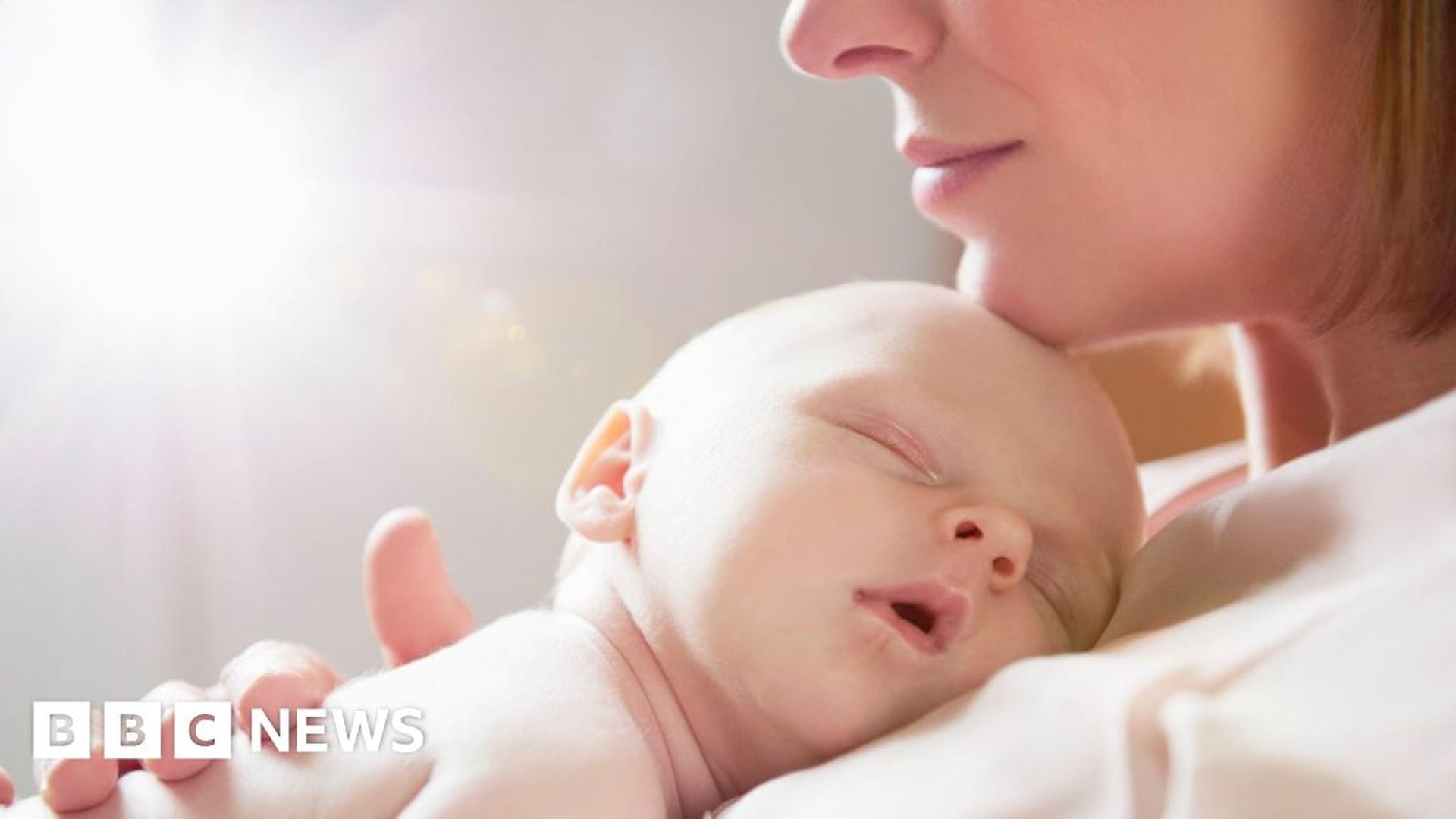
The global landscape of maternal healthcare is undergoing a significant transformation, with increasing recognition of the profound impact of perinatal mental health on both mothers and their infants. Across continents, there is a growing consensus that specialized, integrated care is not merely beneficial but essential. The recent announcement of plans for Northern Ireland's first regional mother and baby mental health unit, projected to open within the next three years, serves as a poignant example of this accelerating global commitment to addressing the complex needs of new families.
For too long, mental health challenges experienced during pregnancy and the postpartum period have remained a silent crisis, often overshadowed by the physical aspects of childbirth. However, the data is unequivocal: perinatal mental health disorders (PPMDs), including postpartum depression, anxiety disorders, obsessive-compulsive disorder, post-traumatic stress disorder, and, in rare but severe cases, postpartum psychosis, affect a substantial proportion of new mothers globally. Estimates suggest that one in five women experience a mental health condition during pregnancy or in the first year after childbirth. These conditions are not merely transient emotional shifts; they are serious illnesses that can have devastating consequences for the mother, her infant, the partner, and the wider family unit.
The impact on the mother can range from profound emotional distress, impaired functioning, and difficulty bonding with her baby, to, in severe cases, suicidal ideation. For the infant, a mother's untreated mental health condition can disrupt crucial early attachment processes, potentially leading to developmental delays, behavioral problems, and long-term emotional difficulties. The intricate dance of early mother-infant interaction is foundational for a child's cognitive and emotional development, and when this bond is compromised by maternal illness, the ripple effects can be felt for years, even generations. Furthermore, partners and other family members often bear a significant burden, struggling to support the mother while navigating their own emotional responses and the demands of new parenthood.
This is precisely why specialized mother and baby mental health units are emerging as a critical component of modern healthcare infrastructure. Unlike general psychiatric wards, which may not be equipped to accommodate infants, these dedicated units provide a therapeutic environment where mothers can receive intensive mental health treatment without being separated from their babies. This integrated approach is paramount. Maintaining the mother-infant dyad during treatment is vital for preserving and strengthening their bond, facilitating attachment, and allowing healthcare professionals to observe and support their interactions directly. Separation, conversely, can exacerbate maternal distress and negatively impact infant development, creating a vicious cycle that hinders recovery.
Within these specialized units, a multidisciplinary team typically works in concert to provide holistic care. This team often includes perinatal psychiatrists, specialist mental health nurses, psychologists, psychotherapists, occupational therapists, social workers, and infant mental health specialists. They offer a comprehensive range of interventions, including pharmacotherapy, individual and group psychotherapy (such as cognitive behavioral therapy and interpersonal therapy), parent-infant therapy, psychoeducation, and practical support for parenting skills. The environment is carefully designed to be nurturing for both mother and baby, often featuring comfortable private rooms, communal living spaces, and dedicated areas for infant play and development, fostering a sense of community and mutual support among mothers.
Despite the clear benefits, the establishment and widespread availability of such units face significant global challenges. Stigma surrounding mental illness, particularly in the context of motherhood, remains a formidable barrier. Many women fear judgment, discrimination, or even the potential loss of their child if they disclose their struggles, leading to delayed help-seeking. Funding constraints are another major hurdle, especially in low- and middle-income countries (LMICs) where healthcare budgets are already stretched thin. The specialized nature of these units requires substantial investment in infrastructure, staffing, and ongoing training, which can be prohibitive.
Furthermore, there is a global shortage of trained perinatal mental health professionals. Expertise in both adult psychiatry and infant development is a niche skill, and building a workforce capable of staffing these units requires dedicated educational pathways and professional development. Geographical disparities also play a role, with urban centers often having more access to specialized services than rural or remote areas. Policy gaps, insufficient awareness among general healthcare providers, and cultural variations in understanding and addressing mental health further complicate efforts to expand these vital services worldwide.
Despite these challenges, global progress is being made, albeit unevenly. High-income countries, particularly in Europe and parts of North America and Australia, have gradually expanded their networks of mother and baby units over several decades. Their experiences provide valuable models and best practices for developing regions. International organizations, including the World Health Organization (WHO) and UNICEF, are increasingly advocating for the integration of mental health services into routine maternal and child health care, recognizing it as a fundamental human right and a cornerstone of public health. The initiative in Northern Ireland, aiming to establish a unit within three years, reflects this broader global movement towards recognizing and addressing perinatal mental health needs more effectively.
Governments, non-governmental organizations, and international bodies have a crucial role to play in accelerating this progress. This includes prioritizing maternal mental health in national health policies, allocating adequate resources for the development and expansion of specialized services, and investing in the training and retention of a skilled perinatal mental health workforce. Public awareness campaigns are also essential to destigmatize mental illness in new mothers and encourage timely help-seeking. Collaborative efforts between healthcare systems, academic institutions, and community organizations can foster innovative models of care that are culturally sensitive and accessible to diverse populations.
The long-term societal benefits of investing in maternal mental health are immense. Beyond the immediate relief and recovery for mothers, these services contribute to healthier infant development, stronger family units, and more resilient communities. Children whose mothers receive appropriate mental health support are more likely to thrive emotionally, socially, and academically. This, in turn, can reduce future healthcare costs, improve educational outcomes, and foster a more productive and compassionate society. The establishment of integrated mother and baby mental health units is not just a medical intervention; it is an investment in the foundational well-being of future generations.
As the global community continues to grapple with complex health challenges, the imperative to support the mental health of new mothers and their infants stands out as a critical area for action. The planned unit in Northern Ireland, like similar initiatives worldwide, represents a beacon of hope and a tangible step towards a future where every mother receives the comprehensive, compassionate care she needs to navigate the profound journey of parenthood, ensuring a healthier start for both herself and her child. This collective endeavor underscores a universal commitment to nurturing the earliest bonds of life and fostering mental well-being from the very beginning.
Your contribution empowers Nivaran Foundation to advocate for and support the establishment of essential maternal and child mental health services globally.
Talk to Nivaran Global