
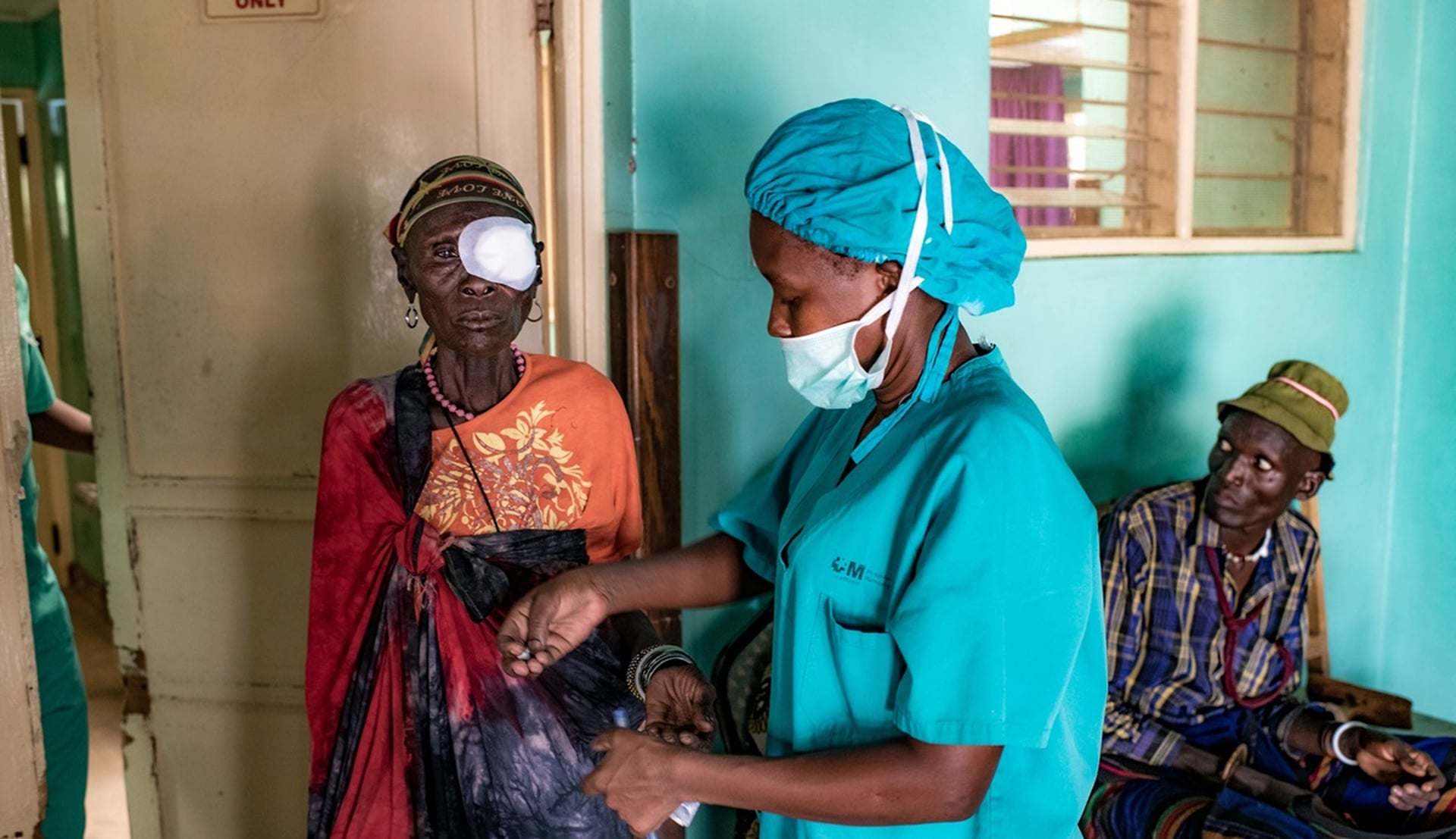
Globally, millions endure preventable blindness caused by cataracts, a condition where the eye's natural lens clouds, progressively obscuring vision. The World Health Organization (WHO) recently issued a compelling global appeal, urging nations to dramatically scale up efforts to provide sight-restoring surgery. This urgent call highlights a profound disparity: a straightforward, highly effective, and affordable medical procedure remains out of reach for half of those who desperately need it, condemning them to a life of darkness when light is within grasp. The global health community recognizes cataract as a leading cause of avoidable blindness, yet the sheer volume of unaddressed cases represents a significant public health challenge and a profound human tragedy. The urgency of the WHO's message underscores the immense potential for collective action to transform countless lives and alleviate suffering on an unprecedented scale.
Cataract is responsible for a staggering proportion of the world's vision impairment and blindness. Estimates suggest that tens of millions are affected globally, with new cases developing annually. While often associated with aging, cataracts can also affect younger individuals due to various factors, including genetics, trauma, or certain medical conditions. The burden is not evenly distributed; populations in low- and middle-income countries bear a disproportionately higher share, often lacking the robust healthcare infrastructure and specialist personnel found in wealthier nations. For individuals, cataract blindness means a gradual, often debilitating, loss of independence. Simple daily tasks – cooking, navigating one's home, recognizing loved ones – become insurmountable hurdles. This loss of vision profoundly impacts mental well-being, leading to isolation, depression, and a diminished quality of life. Economically, it removes productive members from the workforce, places an increased care burden on families, and perpetuates cycles of poverty within households and communities. Children whose parents or guardians suffer from cataract blindness may be pulled out of school to become caregivers, further entrenching educational and economic disadvantage across generations. The ripple effect extends beyond the individual, straining social support systems and hindering broader developmental progress.
Amidst this daunting challenge, there is a powerful and proven solution: cataract surgery. Modern surgical techniques, such as phacoemulsification or manual small incision cataract surgery (MSICS), are remarkably efficient and safe. These procedures involve removing the clouded natural lens and replacing it with an artificial intraocular lens, typically restoring sight within a matter of minutes or hours. The intervention is not only highly effective but also incredibly cost-effective, consistently ranking among the most impactful health interventions in terms of disability-adjusted life years (DALYs) averted per dollar spent. It is a testament to medical science that a condition capable of rendering millions blind can be reversed with such relative ease and affordability. The immediate post-operative transformation, where individuals regain their vision after years of darkness, is often described as miraculous, profoundly impacting their ability to live independently, engage in economic activities, and reconnect with their communities. This stark contrast between the simplicity of the solution and the widespread lack of access forms the core of the global health dilemma.
Despite the efficacy and affordability of cataract surgery, formidable barriers prevent millions from accessing this life-changing intervention. A primary obstacle is the severe shortage of trained ophthalmologists, ophthalmic nurses, and surgical support staff, particularly in rural and remote areas where the need is often greatest. Many regions lack the necessary surgical facilities, including operating theatres, diagnostic equipment, and sterile environments. Even where facilities exist, the supply chain for essential consumables, such as intraocular lenses and surgical instruments, can be unreliable or prohibitively expensive. Financial constraints represent another significant hurdle. While the surgery itself can be affordable in a public health context, the direct costs to patients, including consultation fees, medication, and transportation to distant clinics, can be insurmountable for those living in poverty. Indirect costs, such as lost wages during recovery or the need for a family member to accompany the patient, further compound the economic burden. Cultural beliefs and a lack of awareness about the treatability of cataracts also play a role, with some individuals accepting vision loss as an inevitable part of aging rather than a treatable condition. Geographical isolation is a critical factor, as many affected individuals reside in areas far removed from urban medical centers, making travel arduous, costly, and often impossible. Furthermore, inadequate health information systems mean that identifying and tracking individuals in need of surgery can be challenging, leading to missed opportunities for intervention. These multifaceted barriers create a complex web of challenges that demand integrated, multi-sectoral solutions to dismantle.
In response to these pervasive challenges, the WHO's urgent appeal outlines a strategic framework for countries to accelerate progress. Central to this framework is the strengthening of national health systems, ensuring that eye care services are not fragmented but rather integrated seamlessly into primary healthcare. This involves investing in infrastructure development, equipping clinics with essential diagnostic and surgical tools, and establishing robust referral pathways from community health workers to specialist centers. A critical component is human resource development: training and retaining a sufficient cadre of ophthalmologists, optometrists, and allied eye health professionals. This includes not only increasing the number of new graduates but also providing continuous professional development and equitable distribution of personnel, particularly in underserved regions. The WHO also emphasizes the importance of developing and implementing comprehensive national eye health plans that set clear targets, allocate resources effectively, and monitor progress. These plans must prioritize equity, actively seeking out and reaching marginalized populations, including women, the elderly, and those in remote communities, who often face the greatest barriers to access. Furthermore, fostering strong partnerships between governments, non-governmental organizations, academic institutions, and the private sector is crucial for pooling resources, sharing expertise, and scaling up interventions. By adopting a holistic, patient-centered approach, countries can systematically address the root causes of limited access and build resilient eye care systems capable of meeting the needs of their populations.
The impact of successful cataract surgery extends far beyond the restoration of vision; it is a catalyst for profound individual and societal transformation. For the individual, regaining sight means reclaiming independence and dignity. They can once again perform daily tasks, engage in social activities, and live without constant reliance on others. This renewed autonomy significantly improves mental health, reducing feelings of isolation and depression. Economically, restored vision allows many adults to return to work, contributing to their household income and the broader economy. Farmers can tend their fields, artisans can practice their crafts, and small business owners can manage their enterprises, breaking cycles of poverty. For families, the burden of care is lifted, freeing up caregivers – often women or children – to pursue education, employment, or other productive activities. Children who were previously withdrawn from school to care for visually impaired parents can return to their studies, improving their future prospects. At a community level, a healthier, more productive population contributes to overall development and resilience. The ability to see also enhances safety, reducing the risk of falls and injuries, particularly among the elderly. Investing in cataract surgery is therefore not merely a medical intervention; it is an investment in human capital, social equity, and sustainable development, yielding significant returns across multiple sectors.
The global effort to eliminate avoidable cataract blindness is intrinsically linked to the broader agenda of universal health coverage and the Sustainable Development Goals (SDGs), particularly SDG 3, which aims to ensure healthy lives and promote well-being for all at all ages. Achieving equitable access to cataract surgery is a tangible demonstration of a commitment to leaving no one behind in healthcare. It highlights the importance of robust primary healthcare systems that can identify, refer, and treat common conditions effectively. By addressing a leading cause of preventable disability, countries move closer to achieving health equity, where quality healthcare is accessible to all, regardless of their socioeconomic status or geographical location. The success in tackling cataract blindness can serve as a powerful model for addressing other neglected tropical diseases and preventable conditions, demonstrating that with political will, strategic investment, and collaborative action, significant health challenges can be overcome. It underscores the principle that health is a human right and that investing in health is a prerequisite for social and economic progress.
The World Health Organization's call to action serves as a poignant reminder that while the challenge of cataract blindness is immense, the solution is within reach. Millions worldwide continue to live in preventable darkness, but their fate is not sealed. Through concerted global efforts, strengthened national health systems, dedicated investment in human resources and infrastructure, and a steadfast commitment to equity, the vision of a world free from avoidable cataract blindness can become a reality. The path forward demands collaboration, innovation, and a shared resolve to ensure that the simple, life-changing gift of sight is accessible to everyone, everywhere, transforming individual lives and fostering healthier, more prosperous communities across the globe.
Support Nivaran Foundation's global initiatives to bring essential health services, including eye care, to underserved communities worldwide.
Talk to Nivaran Global