
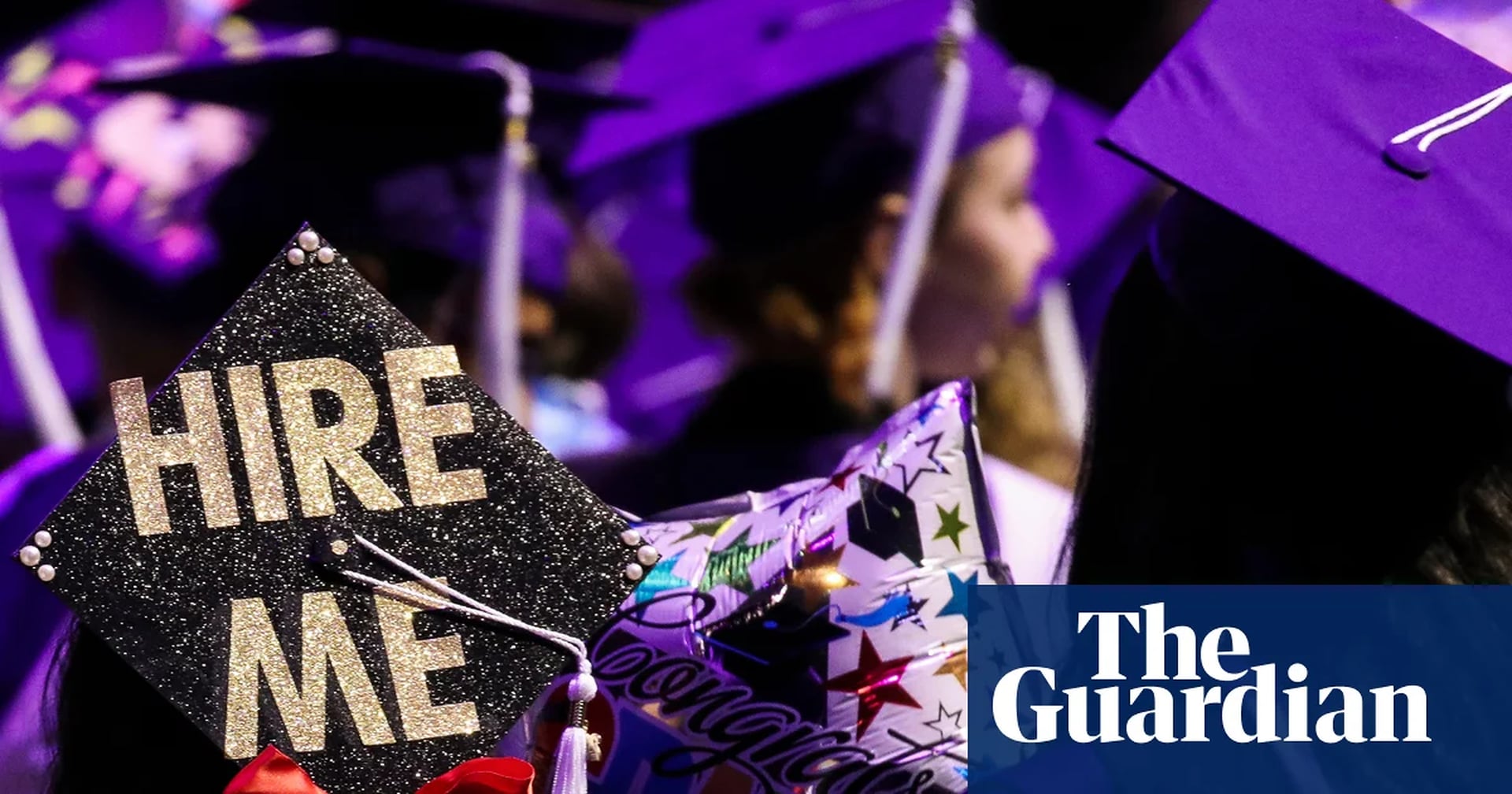
The recent decision by a US federal appeals court to dismantle the Saving on a Value Education (Save) Plan, a significant student loan repayment program, has plunged millions of American borrowers into a state of profound frustration, anger, and confusion. This judicial intervention, which coincided with alarming new data revealing that 7.7 million borrowers had defaulted on an astounding $181 billion in federal student loans by the end of 2025, serves as a stark reminder of a burgeoning global crisis in higher education financing. While the immediate impact is felt by individuals in the United States, the underlying issues—escalating education costs, complex repayment schemes, and the growing burden of student debt—resonate deeply across continents, highlighting a universal challenge that demands global attention.
The Save Plan, introduced in 2023, was designed as an income-driven repayment initiative aimed at significantly reducing undergraduate loan burdens, offering some borrowers monthly payments as low as $0, and providing early forgiveness for those with low balances. Its abrupt cancellation, following legal challenges from Republican attorneys general who argued it constituted an overreach of executive power and imposed undue taxpayer costs, exemplifies the political and economic complexities inherent in addressing student debt. This scenario is not unique to the US; governments worldwide grapple with balancing the imperative of accessible higher education against fiscal realities and differing ideological approaches to public spending and individual responsibility.
The genesis of this global student debt crisis lies in a confluence of factors. Over recent decades, many nations have witnessed a dramatic increase in tuition fees, often coupled with a reduction in direct public funding for universities. As higher education transitioned from a publicly subsidized good to an increasingly market-driven commodity, students and their families were compelled to shoulder a larger share of the cost. Simultaneously, the global economy's growing demand for highly skilled labor has made a university degree almost a prerequisite for upward mobility, pushing more individuals into higher education and, consequently, into debt. This trend is observable from established economies in Europe and North America to rapidly developing nations in Asia and Africa, where burgeoning middle classes aspire to educational advancement.
Different countries have adopted varied approaches to financing higher education, each with its own set of challenges. In the United Kingdom and Australia, for instance, income-contingent loan systems are prevalent, where repayments are directly tied to a graduate's earnings, theoretically protecting those in lower-paying jobs. However, even these systems can accumulate substantial interest, leading to long repayment periods and significant psychological burdens. In parts of continental Europe, tuition-free or low-tuition models persist, yet students still face considerable living expenses, and these systems are often under pressure from demographic shifts and budget constraints. The US model, characterized by a mix of federal and private loans, grants, and scholarships, has historically placed a heavy emphasis on individual borrowing, leading to the colossal debt figures seen today.
The human cost of this escalating debt is profound and far-reaching. Beyond the immediate financial strain, student loans have been linked to significant mental health challenges, including anxiety, depression, and stress, as graduates navigate the early stages of their careers under a cloud of financial obligation. This debt often delays critical life milestones: homeownership becomes a distant dream, starting a family is postponed, and entrepreneurial ventures are stifled as individuals opt for more stable, higher-paying jobs to service their loans rather than pursuing innovative but riskier paths. The collective impact of these individual decisions can slow economic growth, reduce consumer spending, and hinder societal progress, creating a ripple effect that extends far beyond the individual borrower.
Moreover, the student debt crisis exacerbates existing societal inequalities. Students from lower socio-economic backgrounds, who often lack family wealth to contribute to tuition or living expenses, are disproportionately reliant on loans. This can trap them in a cycle of debt that perpetuates intergenerational poverty, undermining the very promise of higher education as a pathway to social mobility. In many contexts, marginalized communities and minority groups face higher interest rates or less favorable repayment terms, deepening the equity gap in access to quality education and future opportunities.
Addressing this multifaceted challenge requires robust policy responses and a willingness to transcend political divides. The legal battle over the Save Plan in the US underscores the ideological chasm between those advocating for greater government intervention and debt relief, and those emphasizing fiscal prudence and individual accountability. Globally, policymakers are exploring a range of solutions, from increasing public funding for universities and expanding grant and scholarship programs, to reforming loan terms, introducing tuition caps, and exploring innovative financing models like income-share agreements. The goal must be to create sustainable systems that ensure access to quality education without imposing crippling debt on future generations.
The interconnectedness of the global education landscape means that these challenges are not isolated. The movement of international students, the global competition for talent, and the shared pursuit of knowledge necessitate a collaborative approach. International organizations, educational institutions, and non-governmental foundations have a crucial role to play in fostering dialogue, sharing best practices, and advocating for policies that prioritize equitable access and sustainable financing. Learning from the successes and failures of different national models can inform the development of more resilient and inclusive education systems worldwide.
Nivaran Foundation believes that access to quality education is a fundamental human right and a cornerstone of global development. The escalating student debt crisis, exemplified by the recent events in the US, threatens to undermine this principle, turning a pathway to opportunity into a burden of debt. Our global desk is committed to analyzing these trends, highlighting their impact on communities worldwide, and advocating for comprehensive, empathetic, and sustainable solutions that empower students rather than encumber them. By fostering international cooperation and championing innovative approaches to education financing, we can work towards a future where higher education truly serves as a catalyst for individual growth and global prosperity, free from the shackles of insurmountable debt.
The global community stands at a critical juncture. The rising tide of student debt, coupled with the political and legal hurdles in implementing relief measures, demands urgent and concerted action. Ensuring that higher education remains an accessible and empowering experience, rather than a source of lifelong financial anxiety, is not merely an economic imperative but a moral one, crucial for fostering a more equitable, educated, and prosperous world.
Support Nivaran Foundation's efforts to advocate for accessible and equitable education worldwide, ensuring no student is left behind by financial barriers.
Talk to Nivaran Global