The global educational landscape is currently grappling with an escalating challenge to intellectual freedom within its institutions, as teachers and education unions worldwide intensify their efforts against what they perceive as a systemic rise in censorship. From Europe to North America, and increasingly in other regions, reports indicate a concerted push, originating from both internal administrative directives and external community pressures, to restrict access to a wide array of books and educational materials. This burgeoning conflict has ignited a fervent defense from educators, who are steadfast in their commitment to fostering diverse, inclusive, and intellectually stimulating learning environments for all students. The core of this struggle lies in fundamental questions regarding the very purpose of education, the professional autonomy of teaching staff, and the inherent right of students to engage with a comprehensive spectrum of ideas and perspectives.
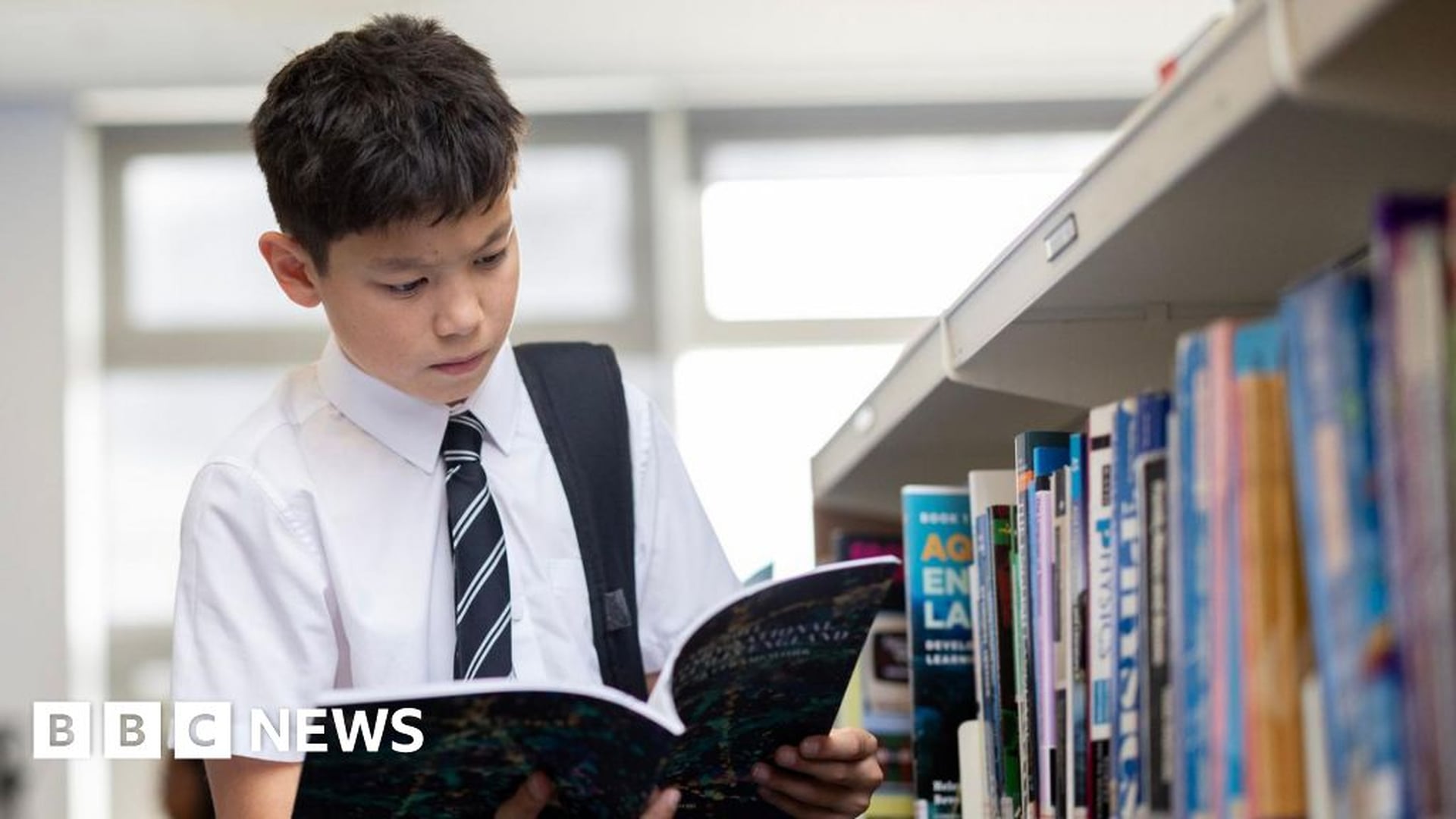
At the epicenter of this global debate is the indispensable role of school libraries and the dedicated professionals who manage these vital resources. School librarians, often positioned as the initial bulwark against content restrictions, are increasingly reporting significant pressures to remove, relocate, or severely limit access to books. These targeted materials frequently address sensitive yet crucial topics such as racial justice, gender identity, diverse historical narratives, and complex social issues. The impetus for these restrictions stems from various sources, including vocal parental groups, politically motivated organizations, and, at times, even internal school administrations. These groups are often driven by deeply held ideological viewpoints, moral concerns, or specific interpretations of what constitutes age-appropriate or "controversial" content. However, a growing consensus among educators and library professionals asserts that such interventions frequently transgress the boundary between responsible collection development and outright censorship, thereby stifling intellectual curiosity, limiting the breadth of learning, and undermining the development of critical thinking skills.
Education unions, representing millions of teachers, support staff, and educational leaders across continents, are adopting an unequivocally strong stance against these restrictive practices. They argue vehemently that censorship fundamentally erodes the bedrock of quality education, which is intrinsically reliant on cultivating critical analysis, encouraging open and fearless inquiry, and deliberately exposing students to a multitude of perspectives. By systematically removing books that offer diverse viewpoints, challenge conventional narratives, or present alternative understandings of complex issues, schools inadvertently risk creating an intellectual echo chamber. In such an environment, students may be shielded from the nuanced complexities of the real world, thus becoming ill-prepared for informed, active, and empathetic participation in a democratic and globally interconnected society. The unions underscore that professional educators and certified librarians possess the specialized expertise and pedagogical training to make informed decisions about curriculum content and library collections. These decisions, they contend, should be grounded in established educational objectives, professional standards, and student developmental needs, rather than being dictated by external political agendas, partisan ideologies, or transient moral panics.
The ramifications of widespread censorship extend far beyond the mere physical removal of a few titles from a shelf. It transmits a profound and chilling message to both students and teachers regarding the permissible boundaries of thought, discussion, and inquiry within educational settings. For students, this can lead to a dangerously narrowed understanding of the world, fostering a lack of empathy for experiences vastly different from their own, and significantly diminishing their capacity for independent, analytical thought. When certain topics or narratives are arbitrarily deemed off-limits, students from marginalized communities—whether based on race, ethnicity, religion, sexual orientation, or socio-economic status—may feel profoundly unseen, unheard, or invalidated, further exacerbating feelings of alienation, exclusion, and a sense of not belonging within their own learning environment. For teachers, the pervasive threat of censorship can severely stifle pedagogical creativity, discourage the exploration of challenging but inherently important subjects, and profoundly erode professional morale and job satisfaction. Educators may resort to self-censorship in their lesson planning or actively avoid certain materials and discussions to preempt potential backlash, thereby compromising the intellectual richness, relevance, and overall quality of their teaching. This creates an environment of fear rather than one of intellectual exploration.
This global phenomenon, while manifesting with varying intensities and specific triggers in different nations, is not a series of isolated incidents. The underlying motivations often reflect broader societal anxieties, deep-seated ideological divides, and cultural clashes that transcend national borders. Whether the debates revolve around the interpretation of historical events, the validity of scientific theories, the representation of diverse family structures, or the discussion of social justice movements, the struggle for control over educational content is a recurring and intensifying theme across many parts of the world. The pervasive influence of digital media and the internet further amplifies these debates, enabling disparate groups to rapidly organize, disseminate their viewpoints, and exert significant pressure on educational institutions and governing bodies, often bypassing traditional channels of educational oversight.
The defense of intellectual freedom in schools is, therefore, not merely about safeguarding specific books or authors; it is fundamentally about preserving the core principles of open inquiry, academic integrity, and the pursuit of knowledge without undue restriction. It is about ensuring that educational institutions remain vibrant spaces where ideas can be rigorously debated, where diverse perspectives are respected, and where knowledge is pursued with intellectual honesty. Most importantly, it is about empowering students to think critically, to question assumptions, and to form their own informed opinions. Librarians, in this context, play an absolutely pivotal role. They are not simply custodians of books but active facilitators of intellectual exploration, curating diverse collections that reflect both the established curriculum and the varied interests, backgrounds, and developmental needs of the student body. Their expertise in collection development, which is grounded in professional standards, ethical guidelines, and a commitment to intellectual freedom rather than partisan agendas, is an invaluable asset to any educational system.
Furthermore, the robust pushback against censorship is also a clarion call for greater investment in comprehensive professional development for educators and librarians. Equipping these professionals with the necessary tools, confidence, and institutional support to navigate complex and potentially controversial discussions, to articulate and defend their pedagogical choices, and to engage constructively and empathetically with community concerns is absolutely crucial. This includes fostering advanced media literacy skills among students from an early age, enabling them to critically assess information from multiple sources, understand different perspectives, identify bias, and evaluate the credibility of content, rather than passively accepting what they are told to read or believe. A truly robust and resilient educational system thrives on intellectual dynamism, critical engagement, and open dialogue, not on restriction, suppression, or the imposition of a singular worldview.
The long-term societal consequences of allowing unchecked censorship to proliferate within educational systems are profoundly concerning. A generation of students educated within an intellectually restrictive framework may emerge lacking the sophisticated critical thinking skills and the nuanced understanding necessary to navigate a rapidly changing, increasingly complex, and often polarized world. They may be less equipped to engage in civil discourse, to understand and respect differing viewpoints, or to contribute meaningfully and constructively to democratic processes and societal progress. Societies that actively limit access to knowledge, diverse ideas, and challenging perspectives risk fostering widespread ignorance, entrenching intolerance, and ultimately witnessing a significant decline in informed civic engagement and social cohesion.
In response to these pervasive threats, education unions globally are not only raising alarms but are actively advocating for the implementation of clear, robust policies that explicitly protect academic freedom and intellectual liberty within schools. They are pushing for the establishment of transparent, equitable, and professionally guided processes for challenging educational materials, ensuring that such challenges are handled with due diligence and respect for educational principles, rather than succumbing to arbitrary demands. Crucially, these unions aim to empower educators and librarians to confidently exercise their professional judgment in curating and delivering content. They are also calling for greater public awareness campaigns to educate communities about the inherent dangers of censorship and the profound, enduring importance of intellectual diversity in fostering a truly enriching and effective educational experience. This collective and coordinated global action is a powerful testament to the unwavering commitment of educators to their students' holistic development, their intellectual growth, and to the foundational values of a free, open, and critically engaged society. The ongoing fight against censorship in schools is, in essence, a pivotal battle for the very future of education itself, striving to ensure it remains a beacon of enlightenment, critical thought, and boundless possibility for generations to come.
Support Nivaran Foundation's work in advocating for quality, uncensored education worldwide.
Talk to Nivaran Global