
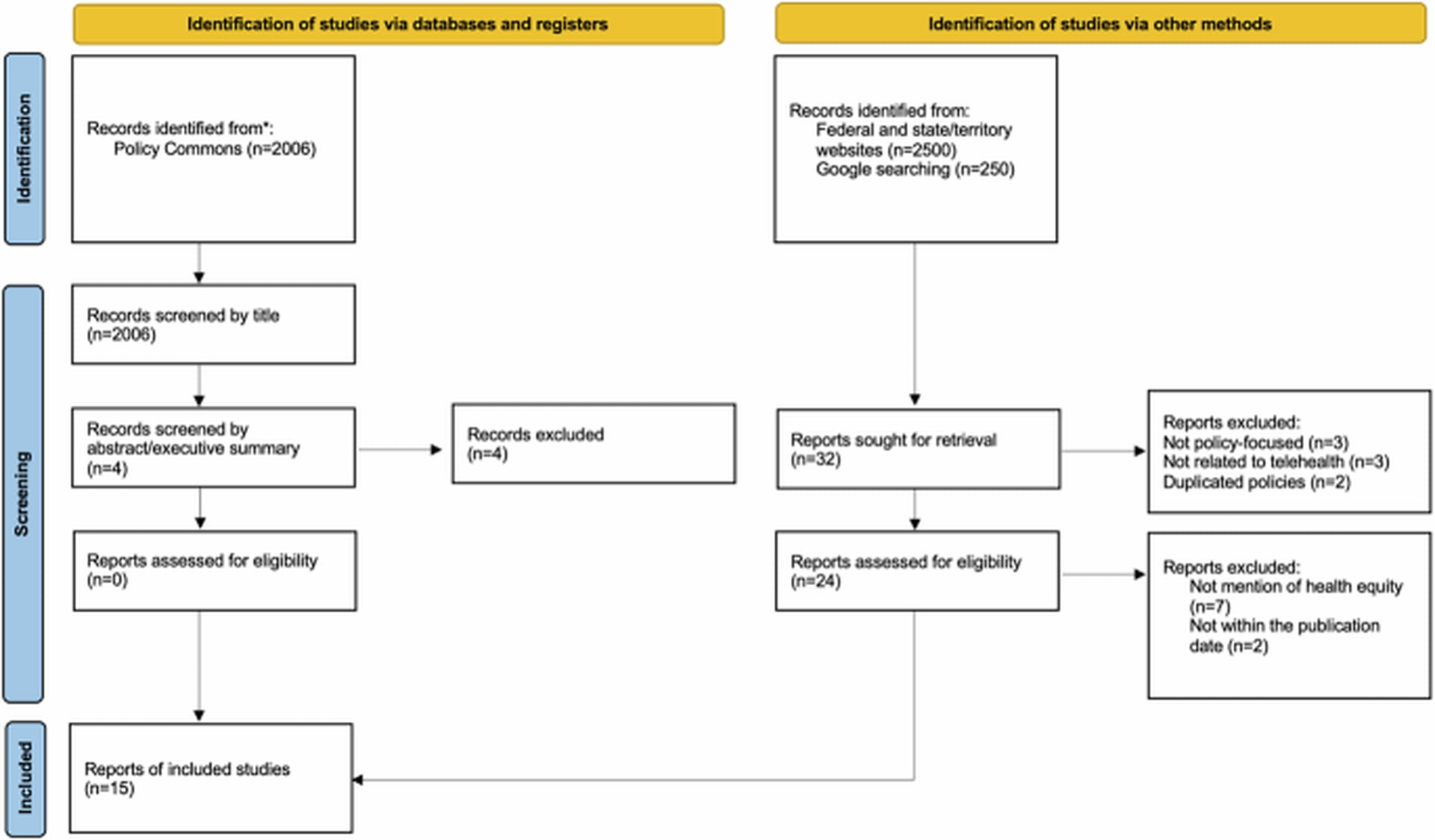
The rapid expansion of telehealth services globally, significantly accelerated by recent public health crises, has reshaped the landscape of healthcare delivery. What began as an emergency measure for many nations has quickly evolved into a cornerstone of modern medical practice, promising unprecedented access to care, particularly for remote populations and those with mobility challenges. However, as virtual consultations become increasingly commonplace, a critical question emerges: is this technological leap truly advancing health equity, or is it inadvertently widening the chasm between the privileged and the underserved?
Experiences from various nations, including comprehensive policy reviews like those conducted in Australia, offer invaluable insights into the complex interplay between telehealth policy and health equity. These evaluations reveal that while the intent behind expanding virtual care is often to democratize access, the reality can be far more nuanced. Without deliberate, equity-focused policy design, the very tools meant to bridge gaps can instead exacerbate existing disparities, creating new forms of exclusion based on digital literacy, socioeconomic status, geographic location, and cultural background.
At its core, the promise of telehealth is compelling. It offers convenience, reduces travel burdens and associated costs, and provides continuity of care that might otherwise be impossible. For individuals living in remote or rural areas, where specialist medical services are scarce, telehealth can be a lifeline. For those with chronic conditions, it can facilitate regular monitoring and consultations without the need for frequent, arduous journeys to clinics. In urban settings, it can alleviate pressure on crowded emergency rooms and reduce wait times for routine appointments. These benefits are universally recognized and represent a significant step forward in the global pursuit of universal health coverage.
Yet, the realization of this promise is far from uniform. A pervasive global challenge is the digital divide, which manifests in multiple layers. Fundamental access to reliable, high-speed internet remains a luxury in many parts of the world, particularly in low-income countries and remote regions within more affluent nations. Even where internet is available, the cost of data plans can be prohibitive for low-income households. Beyond connectivity, access to appropriate devices – smartphones, tablets, or computers – is another significant barrier. Many individuals, especially older adults or those in financially constrained circumstances, may lack the necessary hardware or the technical proficiency to navigate telehealth platforms effectively. This digital literacy gap is not merely about owning a device; it’s about the skills, confidence, and support needed to utilize technology for health purposes.
Socioeconomic factors further complicate the picture. While telehealth might reduce some direct costs like transportation, it can introduce new indirect costs. For instance, the need for a private space for a consultation, the time required to set up and troubleshoot technology, or the inability to take time off work for a virtual appointment can disproportionately affect vulnerable populations. Furthermore, the funding models for telehealth services vary widely across countries. If virtual care is not adequately subsidized or integrated into public health systems, out-of-pocket expenses can become a significant deterrent, pushing essential care out of reach for those who need it most.
Cultural and linguistic barriers also pose substantial challenges to equitable telehealth access. Healthcare systems globally often struggle to provide culturally competent care even in traditional settings. In a virtual environment, these challenges can be amplified. Lack of interpreters, culturally insensitive communication styles, or platforms that do not support multiple languages can alienate diverse patient populations. Indigenous communities, migrant groups, and ethnic minorities often face these hurdles, leading to distrust and underutilization of services that are not designed with their specific needs in mind. Policies must actively promote and fund culturally and linguistically appropriate telehealth solutions to overcome these systemic issues.
Accessibility for individuals with disabilities and older adults is another critical area. Telehealth platforms must adhere to universal design principles, ensuring they are navigable for people with visual, auditory, cognitive, or motor impairments. Older populations, while increasingly tech-savvy, may still require additional support, simpler interfaces, or specific training to comfortably engage with virtual care. Policies that mandate accessibility standards and provide resources for digital inclusion are vital to prevent these groups from being left behind.
Lessons gleaned from national policy reviews, such as those undertaken in Australia, underscore the importance of a comprehensive and iterative approach to telehealth policy. These reviews often highlight that despite initial good intentions, the rapid deployment of telehealth during crises can inadvertently overlook equity considerations. For example, while Australia's swift expansion of telehealth during the pandemic significantly increased access, subsequent analyses revealed disparities in uptake and outcomes, particularly among Indigenous populations, those in very remote areas, and individuals from lower socioeconomic backgrounds. This experience is not unique to Australia but mirrors challenges observed in many other nations grappling with similar issues.
To truly foster health equity through telehealth, global policymakers must focus on several key areas. Firstly, funding models must be designed to eliminate financial barriers. This includes ensuring that telehealth services are covered by public health insurance or are adequately subsidized for all, particularly for low-income individuals. Exploring models that incentivize providers to serve underserved communities through telehealth can also be beneficial.
Secondly, infrastructure investment is paramount. Governments, in collaboration with the private sector and non-governmental organizations, must prioritize expanding broadband internet access to all communities, especially those in remote and rural areas. This also involves initiatives to provide affordable devices and data plans, recognizing that digital access is now a fundamental determinant of health.
Thirdly, digital literacy programs are essential. These programs should target both patients and healthcare providers. For patients, they should offer training and support to navigate telehealth platforms, understand privacy settings, and effectively communicate virtually. For providers, training should focus on best practices for virtual consultations, including maintaining rapport, conducting remote assessments, and recognizing the unique challenges faced by diverse patient groups.
Fourthly, culturally competent care must be embedded into telehealth policies. This means mandating the availability of professional interpreters, developing culturally sensitive patient education materials, and ensuring that telehealth platforms can accommodate diverse linguistic and cultural needs. Engaging community leaders and representatives in the design and evaluation of these services is crucial.
Fifthly, accessibility standards must be non-negotiable. Telehealth platforms should comply with international accessibility guidelines, and regular audits should be conducted to ensure compliance. Furthermore, support services should be available to assist individuals with disabilities or older adults in accessing and utilizing virtual care.
Finally, data collection and monitoring are critical for ongoing evaluation and improvement. Policies should require the collection of disaggregated data on telehealth utilization, patient outcomes, and satisfaction across various demographic groups. This data is vital for identifying persistent equity gaps and informing targeted interventions.
The path forward for global telehealth is clear: it must be paved with a deliberate and unwavering commitment to equity. The potential of virtual care to transform healthcare for the better is immense, offering a pathway to more accessible, efficient, and patient-centered services. However, this potential can only be fully realized if policymakers worldwide learn from existing evaluations and proactively design systems that address the digital divide, socioeconomic disparities, and cultural barriers. By doing so, telehealth can truly become a tool for universal health coverage, ensuring that no one is left behind in the digital revolution of healthcare.
Support Nivaran Foundation's mission to advance health equity and education globally. Your contribution helps us bring critical insights to light.
Talk to Nivaran Global