
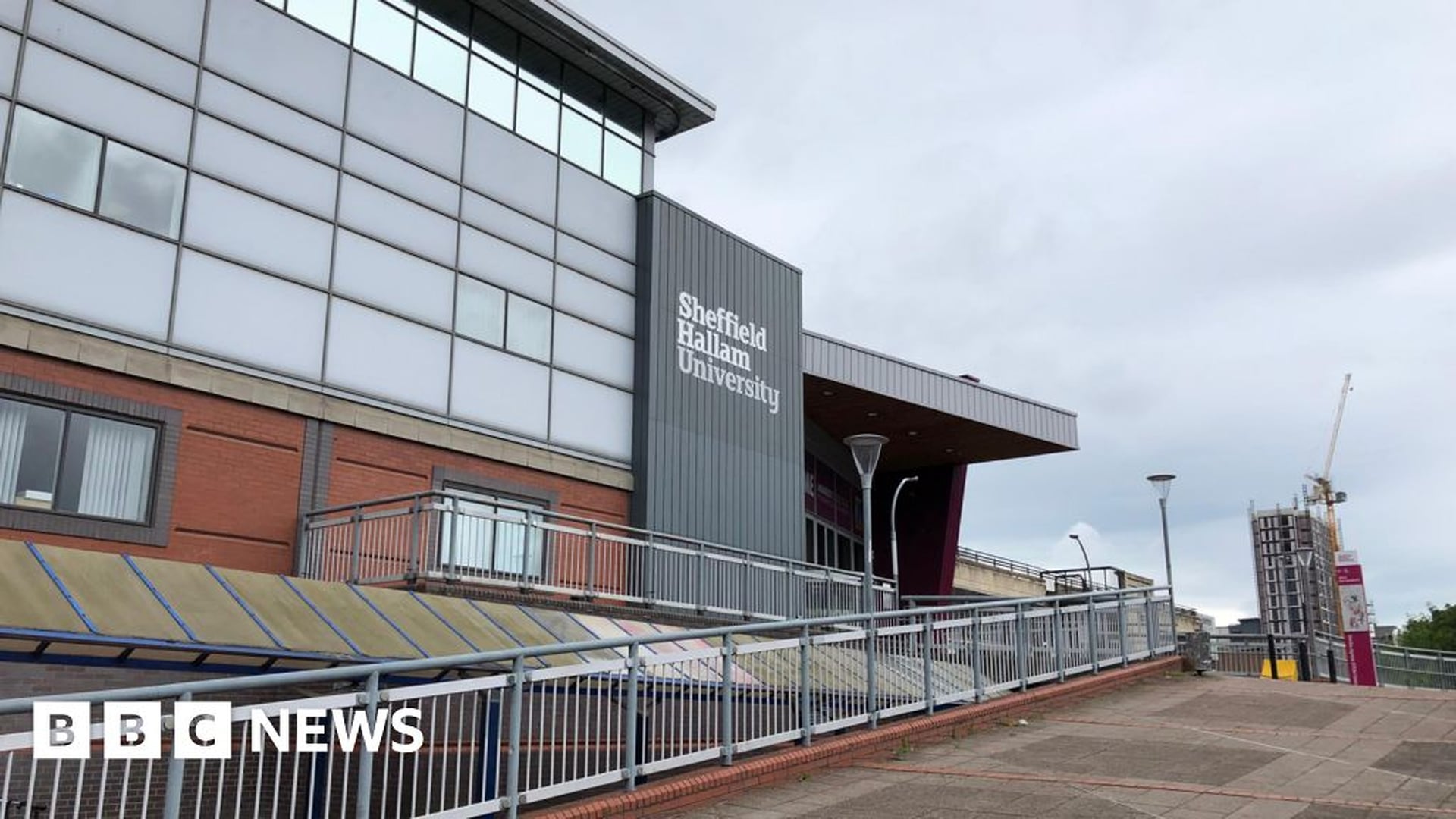
The global higher education landscape is currently navigating a period of profound instability, marked by widespread financial pressures that are compelling universities across continents to consider significant job cuts. This trend is not merely an internal administrative challenge; it represents a critical threat to the quality of education, the vibrancy of academic research, and the overall appeal of institutions to prospective students worldwide. As academic unions prepare for potential strike action in response to these proposed redundancies, the future of tertiary learning hangs in a precarious balance.
Universities, traditionally bastions of knowledge and innovation, are increasingly grappling with a complex web of economic challenges. Factors such as fluctuating government funding, the lingering economic repercussions of global events, inflationary pressures impacting operational costs, and shifts in international student enrollment patterns have created a formidable financial squeeze. In many regions, public funding for higher education has either stagnated or declined in real terms over the past decade, forcing institutions to seek alternative revenue streams or drastically reduce expenditure. This often translates directly into workforce reductions, affecting not only teaching faculty but also vital administrative, technical, and support staff who underpin the daily functioning of a university. The rationale often cited by university administrations centers on sustainability and the need to streamline operations to remain competitive in a global market. However, unions and faculty argue that such measures are short-sighted and detrimental to the core mission of education.
The immediate and long-term ramifications of these job cuts on the quality of education are a primary concern. A reduction in teaching staff inevitably leads to increased class sizes, diminishing the personalized attention students receive and making it harder for educators to provide tailored feedback. This can particularly impact subjects requiring intensive one-on-one supervision or practical work. Furthermore, fewer faculty members mean heavier workloads for those remaining, potentially leading to burnout, reduced time for research, and less capacity for curriculum innovation. Research, a cornerstone of university activity, also suffers. With fewer academics, the institution’s ability to secure grants, conduct groundbreaking studies, and contribute to global knowledge pools is significantly hampered. This erosion of research capacity not only affects the university's prestige but also has broader societal implications, as universities are crucial engines of scientific and technological advancement.
Beyond the classroom and laboratory, the student experience is profoundly affected. Universities are more than just places of learning; they are communities that offer a holistic developmental environment. Job cuts often extend to student support services, including mental health counseling, career guidance, disability support, and extracurricular activity coordination. A reduction in these vital resources can leave students feeling isolated, unsupported, and less engaged with their academic journey. The overall "appeal" of a university, as highlighted by academic bodies, is intrinsically linked to the richness of its offerings – not just its academic programs but also the quality of its student life and support infrastructure. When these elements are compromised, institutions risk losing their competitive edge in attracting top talent, both domestically and internationally. This creates a vicious cycle where declining appeal leads to fewer enrollments, further exacerbating financial woes.
In response to these escalating threats, academic unions worldwide are mobilizing. From North America to Europe, and parts of Asia and Africa, faculty and staff unions are increasingly resorting to industrial action, including strike ballots, to protest proposed redundancies and advocate for better working conditions and sustainable funding models. These unions argue that job cuts are often a false economy, leading to a decline in educational standards that ultimately harms the institution's reputation and long-term viability. They emphasize the human cost of job losses, impacting individuals and their families, and the collective loss of expertise and institutional memory. The prospect of widespread strikes introduces further disruption, potentially affecting exam periods, lecture schedules, and graduation ceremonies, creating additional stress for students and further straining relationships between university management and staff.
The challenges facing higher education are not confined to a single nation but represent a global phenomenon with varying regional nuances. In some countries, a reliance on international student fees has made institutions vulnerable to geopolitical shifts and visa policy changes. In others, a long-term underinvestment in public education has created a chronic funding deficit. The debate often centers on whether universities should operate more like businesses, prioritizing efficiency and profit, or remain primarily public goods, focused on societal benefit and accessible education. This philosophical divide often underpins the tension between university administrations seeking to balance budgets and unions striving to protect academic values and livelihoods.
The long-term implications of sustained job cuts in higher education are far-reaching. A weakened university sector could lead to a 'brain drain,' where talented academics and researchers seek opportunities in more stable or better-funded environments, potentially outside the traditional academic sphere. This loss of intellectual capital would diminish a nation's capacity for innovation, critical thinking, and cultural development. Furthermore, if universities become less attractive, the pipeline of highly skilled graduates entering the workforce could shrink, impacting economic growth and societal progress. The erosion of academic freedom and collegial governance, often seen as collateral damage in periods of austerity, also poses a significant threat to the democratic function of universities as spaces for open inquiry and critical discourse.
Addressing this global crisis requires a multi-faceted approach. Governments must reassess their funding models for higher education, recognizing its indispensable role in national development and global competitiveness. Universities, in turn, need to explore diversified and sustainable revenue streams that do not solely rely on tuition fees or short-term grants. Crucially, open and constructive dialogue between university management, academic unions, and student representatives is essential to forge solutions that balance financial prudence with the imperative to maintain high-quality education and support a thriving academic community. Investing in staff, fostering a supportive work environment, and valuing the intellectual contributions of all university employees are not mere expenses but fundamental investments in the future.
In conclusion, the current wave of job cuts sweeping through universities worldwide represents a critical juncture for global higher education. While financial pressures are undeniable, the response to these challenges must prioritize the preservation of educational quality, the well-being of academic communities, and the long-term health of institutions. The warnings issued by academic unions ahead of strike ballots underscore the urgency of finding sustainable solutions that uphold the foundational values of higher learning and ensure that universities continue to serve as vibrant centers of knowledge, innovation, and societal advancement for generations to come. The global community watches closely as institutions navigate these turbulent waters, hoping for resolutions that safeguard the future of academic excellence.
Support Nivaran Foundation's commitment to reporting on critical issues impacting global education and academic stability.
Talk to Nivaran Global