
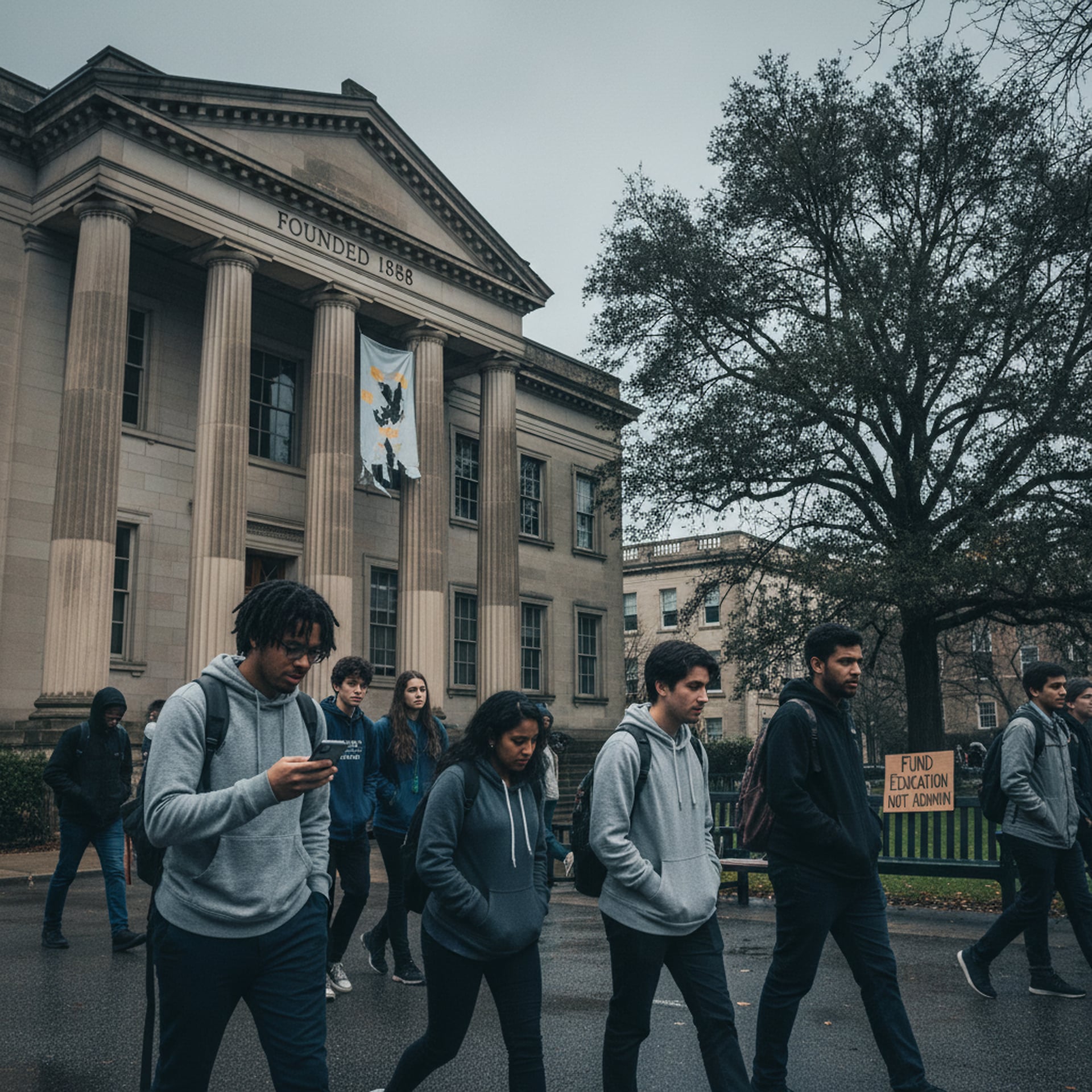
Across the global landscape of higher education, institutions are grappling with a confluence of complex and often interconnected challenges that threaten their stability, reputation, and fundamental mission. While the specific manifestations vary by region and institutional type, a pervasive sense of disquiet is settling over universities worldwide. From the hallowed halls of ancient European academies to the burgeoning campuses of Asia and the established universities of North America, leaders are confronting issues ranging from governance failures and financial precarity to declining public trust and intense political scrutiny. These pressures are not isolated incidents but rather symptoms of deeper systemic shifts, including evolving economic models, rapid technological advancements, and changing societal expectations of what a university should be and do. The traditional pillars of academic excellence, research innovation, and student development are increasingly strained under the weight of these contemporary demands, prompting urgent calls for introspection and radical reform.
A stark illustration of these mounting troubles can be observed in the recent experiences of institutions like Ohio State University, which has found itself at the epicenter of significant public and internal turmoil. The university's recent history has been marked by a series of high-profile controversies, drawing sharp criticism from various stakeholders. One prominent lawmaker, reflecting a sentiment echoed by many, reportedly characterized the institution as a 'national embarrassment,' a powerful indictment that underscores the gravity of the challenges faced. These issues, spanning administrative missteps, financial irregularities, and disputes over academic freedom, are not unique to Ohio State but rather serve as a potent microcosm of the broader difficulties confronting many universities globally. The intense scrutiny faced by such a prominent institution highlights the increasing public demand for accountability and transparency from higher education leaders, signaling a shift in how universities are perceived and judged by the societies they serve.
At the heart of many university crises lies a fundamental breakdown in governance and leadership. The intricate balance between academic autonomy, administrative efficiency, and external oversight is often precarious. Instances of opaque decision-making, conflicts of interest, and a perceived disconnect between senior leadership and the academic community are becoming increasingly common. This can manifest in protracted faculty disputes, student protests over administrative policies, and a general erosion of morale among staff and scholars. Effective governance requires a delicate blend of strategic vision, ethical conduct, and a deep understanding of the unique culture and mission of a university. When these elements are absent, institutions become vulnerable to internal strife and external criticism, jeopardizing their ability to navigate complex challenges and maintain their integrity.
Compounding governance issues are the pervasive financial pressures that many universities now face. Declining public funding in many countries, coupled with rising operational costs, increasing demands for state-of-the-art facilities, and the imperative to offer competitive salaries to attract top talent, creates a challenging economic environment. Universities are increasingly reliant on diverse revenue streams, including tuition fees, research grants, philanthropic donations, and commercial partnerships. However, this diversification often comes with its own set of complexities, raising questions about accessibility, institutional independence, and the potential for mission drift. The pursuit of financial sustainability must be carefully balanced with the core academic mission, ensuring that educational quality and research integrity are not compromised in the quest for solvency. The long-term viability of many institutions hinges on their ability to adapt innovative financial models while preserving their foundational values.
The cumulative effect of governance failures, financial controversies, and internal disputes has been a significant erosion of public trust in higher education. Once seen as unimpeachable bastions of knowledge and progress, universities are now frequently viewed through a more critical lens. This skepticism is often fueled by media coverage of scandals, political rhetoric questioning the value or impartiality of academic institutions, and public concern over rising tuition costs and student debt. In many nations, universities have become battlegrounds for ideological debates, facing pressure from political actors to align with specific agendas or risk funding cuts. This heightened political scrutiny can undermine academic freedom, stifle critical inquiry, and divert institutional resources away from core educational and research activities, further complicating the already challenging environment for university leaders.
The climate of heightened scrutiny and financial pressure inevitably impacts academic freedom and the quality of research. Scholars may feel constrained in pursuing controversial topics or expressing dissenting views if they fear repercussions from administrators, political figures, or even donors. This chilling effect can stifle innovation, limit the scope of critical inquiry, and ultimately diminish the university's role as a generator of new knowledge and a forum for robust intellectual debate. Furthermore, the pressure to secure external funding can sometimes lead to a focus on commercially viable research over fundamental or socially critical inquiry, potentially skewing academic priorities. Protecting academic freedom and ensuring the integrity of research are paramount for universities to fulfill their societal mandate and maintain their intellectual vibrancy in an increasingly complex world.
Beyond institutional governance and financial stability, the well-being and experience of students are increasingly central to the discourse surrounding university challenges. Mental health crises among students are a growing concern globally, exacerbated by academic pressures, social anxieties, and the lingering effects of global events. Universities are expected to provide comprehensive support services, but resources are often stretched thin. Moreover, student expectations regarding campus safety, diversity, equity, and inclusion are higher than ever, demanding proactive and responsive institutional policies. When universities fail to adequately address these concerns, it can lead to student activism, negative publicity, and a decline in enrollment, further compounding the institution's difficulties. A holistic approach that prioritizes student welfare and fosters an inclusive learning environment is essential for the long-term success and reputation of any university.
Addressing these multifaceted global challenges requires more than piecemeal solutions; it demands a fundamental rethinking of university structures, governance models, and funding mechanisms. Leaders must cultivate cultures of transparency, accountability, and shared governance, actively involving faculty, students, staff, and alumni in decision-making processes. Financial strategies need to be robust and diversified, prioritizing long-term sustainability over short-term gains, while also ensuring equitable access to education. Furthermore, universities must proactively engage with the public and political spheres, articulating their invaluable contributions to society and defending the principles of academic freedom and intellectual inquiry. International collaboration and the sharing of best practices can also play a crucial role in developing innovative solutions to common problems.
Ultimately, the current period of turmoil presents both significant risks and an opportunity for renewal within higher education. Universities remain indispensable institutions, serving as engines of innovation, cradles of critical thought, and vital pathways for social mobility. Their capacity to educate future generations, advance scientific understanding, and contribute to societal progress is unparalleled. However, to continue fulfilling these critical roles effectively, universities must demonstrate a renewed commitment to their core values, adapt to the evolving global landscape, and regain the trust of their stakeholders. The challenges are formidable, but the imperative to safeguard the future of higher education for the benefit of all societies is even greater, demanding courageous leadership and collective action on a global scale.
Support Nivaran Foundation's independent journalism on global education challenges and solutions.
Talk to Nivaran Global