
The pursuit of innovation in engineering and technology is a cornerstone of global educational advancement, with university-level competitions serving as vital crucibles for nurturing future talent. Across the world, institutions are fostering environments where students can translate theoretical knowledge into tangible, high-performance projects, pushing the boundaries of what's possible. One such prominent example is the Formula Student competition, a globally recognized platform that challenges aspiring engineers to design, build, and race a single-seater formula-style race car. This rigorous undertaking not only tests technical prowess but also cultivates essential soft skills crucial for success in a rapidly evolving global workforce.
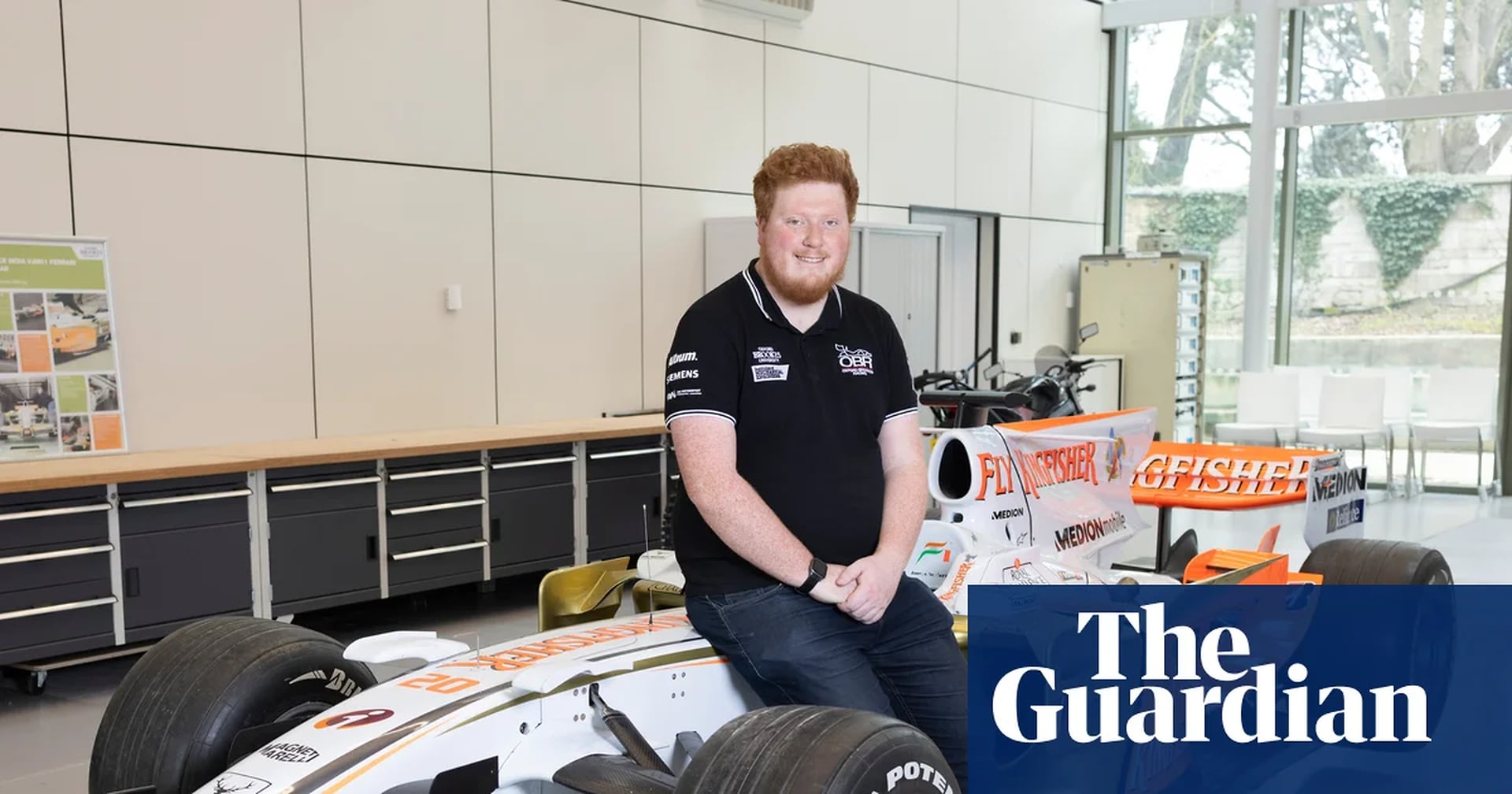
At the heart of these educational endeavors lies a commitment to experiential learning. Students are not merely memorizing formulas or concepts; they are applying them in real-world scenarios, confronting complex design challenges, material science dilemmas, and aerodynamic optimization puzzles. The Oxford Brookes Racing (OBR) team, for instance, exemplifies this dedication. Hailing from the UK, OBR has established itself as a formidable presence in the Formula Student arena, consistently demonstrating a high caliber of engineering excellence and innovative design. Their success is a testament to the power of hands-on education, where theoretical understanding is rigorously tested and refined through practical application.
The Formula Student competition, and similar global initiatives, are far more than just races; they are comprehensive engineering projects that demand a multidisciplinary approach. Teams must manage budgets, secure sponsorships, adhere to strict regulatory frameworks, and present their designs to industry experts. This holistic experience mirrors the challenges faced in professional engineering environments, preparing students for careers in diverse sectors ranging from automotive and aerospace to renewable energy and advanced manufacturing. The skills acquired—project management, financial acumen, technical communication, and collaborative problem-solving—are universally transferable and highly sought after by employers worldwide.
The global impact of such programs cannot be overstated. As nations strive for technological leadership and sustainable development, the demand for highly skilled engineers and innovators continues to grow. University racing teams, by providing a practical platform for advanced engineering education, are directly contributing to this global talent pipeline. They are equipping students with the critical thinking abilities and practical expertise needed to tackle some of humanity's most pressing challenges, from developing more efficient transportation systems to pioneering new energy solutions. The competitive spirit inherent in these events also drives continuous improvement and fosters a culture of excellence, pushing students to constantly refine their designs and processes.
Moreover, these programs foster international collaboration and knowledge exchange. While teams compete against each other, there is also a strong sense of community and shared learning among participants from different countries and cultural backgrounds. This global network enhances the educational experience, exposing students to diverse perspectives and problem-solving methodologies. The insights gained from interacting with peers and mentors from across the globe are invaluable, preparing students for an increasingly interconnected professional world where international cooperation is often key to success.
The meticulous process of designing and building a race car from scratch involves intricate stages, each demanding precision and innovation. From conceptualization and computer-aided design (CAD) to manufacturing, assembly, and rigorous testing, every step is a learning opportunity. Students grapple with materials selection, structural analysis, powertrain integration, suspension tuning, and aerodynamic efficiency. They learn to iterate, troubleshoot, and adapt, transforming initial concepts into a fully functional, high-performance vehicle. This iterative design process is fundamental to modern engineering and product development, teaching students resilience and the importance of continuous refinement.
Furthermore, the emphasis on safety and regulatory compliance within Formula Student mirrors the stringent standards of the professional engineering world. Teams must ensure their designs meet rigorous safety criteria, conduct thorough risk assessments, and document every aspect of their build. This instills a deep understanding of engineering ethics and responsibility, preparing students to design and build products that are not only innovative but also safe and reliable for end-users. This aspect of the competition is particularly vital in fields where public safety is paramount, such as aerospace or medical device manufacturing.
The success stories emerging from these competitions often highlight the transformative power of mentorship and teamwork. Experienced faculty advisors and industry professionals guide students, sharing their knowledge and insights. Within the teams, students learn to delegate tasks, manage conflicts, and leverage each other's strengths to achieve a common goal. This collaborative environment simulates the dynamics of professional engineering teams, where interdisciplinary cooperation is essential for project success. The bonds formed and the lessons learned in these high-pressure, team-oriented settings often last a lifetime, shaping future leaders and innovators.
Beyond the technical skills, participation in Formula Student cultivates a strong work ethic, resilience, and problem-solving aptitude. Students often dedicate countless hours outside of their regular academic commitments, driven by passion and the desire to excel. They learn to overcome setbacks, adapt to unforeseen challenges, and persevere through complex technical hurdles. These qualities are indispensable for any professional career, particularly in demanding fields like engineering and research, where innovation often requires sustained effort and a willingness to push boundaries.
The financial aspect of these projects also provides invaluable experience. Teams must actively seek sponsorships, manage budgets, and engage with external stakeholders. This entrepreneurial dimension teaches students about fundraising, marketing, and stakeholder management – skills that are highly relevant for those aspiring to leadership roles or considering starting their own ventures. The ability to articulate their vision and secure resources is a critical skill that extends far beyond the workshop, preparing them for the broader economic realities of innovation and development.
Ultimately, university engineering competitions like Formula Student are critical components of a robust global education ecosystem. They bridge the gap between academic theory and practical application, fostering a generation of engineers who are not only technically proficient but also innovative, adaptable, and globally aware. By investing in such experiential learning opportunities, educational institutions worldwide are not just building race cars; they are building the future workforce, equipped to drive progress and solve the complex challenges of the 21st century. The success of teams like Oxford Brookes Racing serves as an inspiring example of what can be achieved when passion, education, and practical application converge, setting a benchmark for aspiring engineers globally and reinforcing the profound impact of hands-on learning on global innovation.
Support Nivaran Foundation's initiatives to advance global education and empower future innovators through practical learning opportunities.
Talk to Nivaran Global