
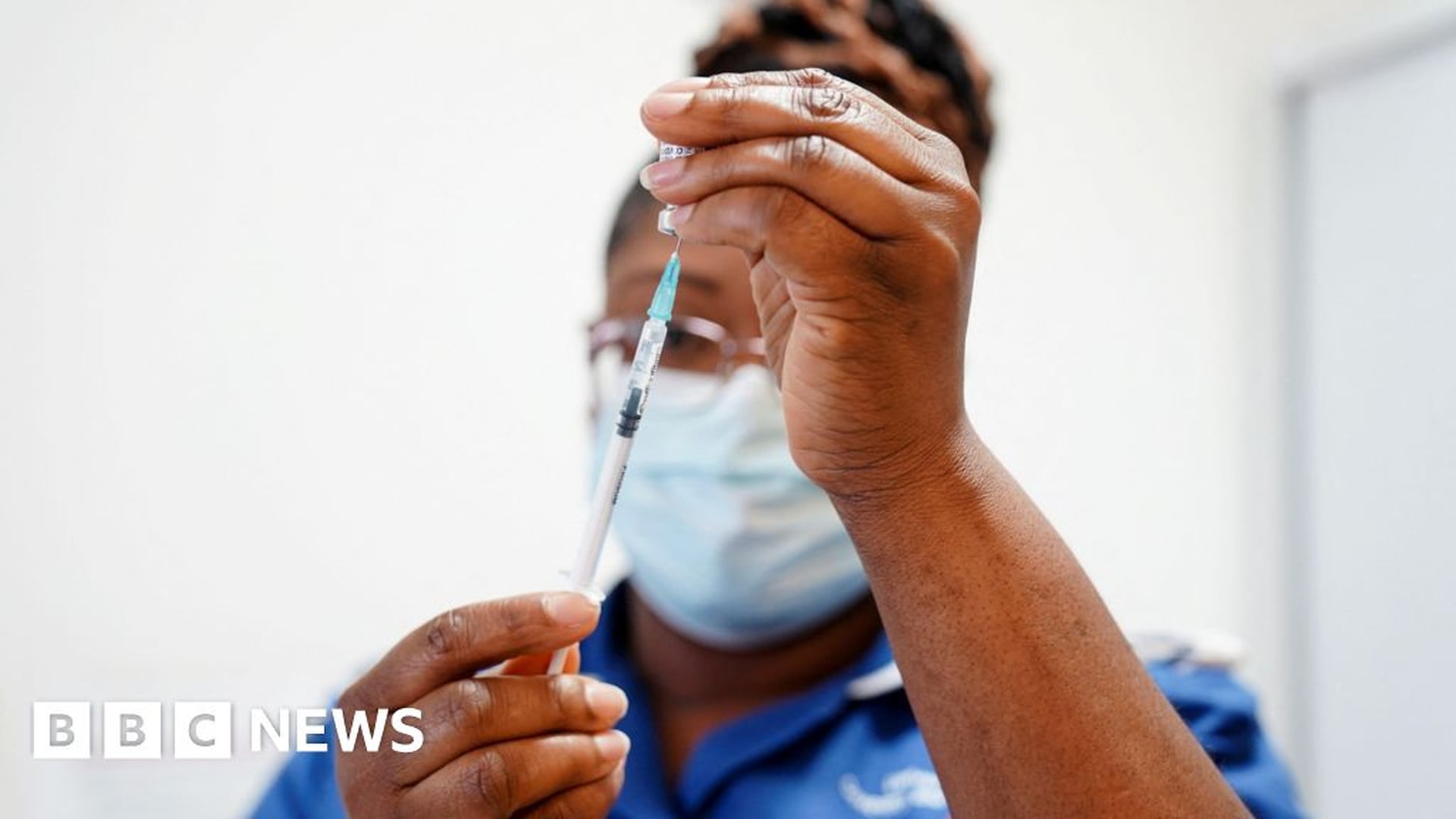
The global response to the Covid-19 pandemic saw unprecedented mobilization of scientific, logistical, and humanitarian efforts, culminating in the rapid development and deployment of vaccines that fundamentally altered the course of the health crisis. A recent inquiry report has lauded this worldwide vaccine rollout as an "extraordinary feat," acknowledging its monumental success in safeguarding millions of lives from severe illness and mortality. This commendation comes with a crucial caveat: the report also highlights the imperative to provide comprehensive and compassionate support to the small minority of individuals who experienced adverse health effects following vaccination.
The sheer scale of the global vaccination campaign represents a landmark achievement in public health history. Within an astonishingly short timeframe, scientists across continents collaborated to unravel the novel coronavirus's genetic code, leading to the swift development of multiple vaccine platforms. What followed was an equally remarkable logistical undertaking, involving the manufacturing, distribution, and administration of billions of doses to populations spanning every corner of the globe. This intricate ballet of research, production, and delivery required unparalleled international cooperation, overcoming significant challenges related to supply chain complexities, cold storage, and equitable access. The impact was profound: hospitals saw a reduction in severe cases, and communities began to cautiously reopen, demonstrating the vaccines' efficacy in mitigating the pandemic's most devastating consequences. Without this rapid and widespread immunization, the global death toll and strain on healthcare systems would have been immeasurably higher.
While the overwhelming narrative is one of success, the inquiry report thoughtfully addresses the less visible, yet deeply personal, experiences of a minority who suffered adverse reactions. These individuals, though few in number relative to the billions vaccinated, faced unexpected health challenges ranging from mild, transient symptoms to more severe, long-lasting conditions. The nature of these adverse events varied, sometimes presenting as rare blood clots, neurological issues, or chronic fatigue syndromes that emerged post-vaccination. For those affected, the journey has often been fraught with uncertainty, difficulty in obtaining a diagnosis, and a lack of clear pathways for medical care and support. Their experiences, while not diminishing the overall triumph of the vaccination effort, serve as a stark reminder that even beneficial public health interventions can carry individual risks, demanding recognition and redress.
The report's call for "better support" for those harmed is a critical recommendation, advocating for robust, accessible, and empathetic support systems. This includes ensuring access to specialized medical care, often requiring expertise in rare conditions or complex symptomology, which may not be readily available in standard healthcare settings. Financial assistance and compensation schemes are also crucial, recognizing the economic burden imposed by long-term illness, lost income, and treatment costs. Furthermore, psychological and emotional support is vital, as many affected individuals grapple not only with physical ailments but also with feelings of isolation, frustration, and a sense of being overlooked amidst the broader narrative of vaccine success. Establishing clear, streamlined processes for reporting adverse events and accessing support can help restore trust and provide much-needed relief.
Maintaining public trust in health interventions hinges on transparency and accountability. The inquiry report implicitly reinforces this principle by openly addressing the dual outcomes of the vaccine rollout. Acknowledging that a small percentage of individuals experienced harm, and actively working to support them, is not an admission of failure but rather a demonstration of ethical responsibility and a commitment to patient-centered care. Robust pharmacovigilance systems, which continuously monitor and evaluate the safety of medicines and vaccines, are paramount. These systems must be agile enough to detect emerging patterns of adverse events quickly, communicate findings transparently to both the medical community and the public, and adapt guidance as new information becomes available. This ongoing vigilance is essential for informed decision-making, fostering confidence in public health initiatives, and ensuring that future interventions are as safe and effective as possible.
The lessons gleaned from the Covid-19 vaccine rollout extend far beyond the immediate pandemic response, offering invaluable insights for future global health challenges. One significant takeaway is the critical need for pre-emptive planning for adverse event management and patient support. Future pandemic preparedness strategies should integrate frameworks for identifying, treating, and compensating individuals who experience harm from rapidly deployed medical countermeasures. This includes establishing dedicated funds, training healthcare professionals in diagnosing rare post-intervention conditions, and creating clear communication channels for affected individuals. Moreover, the pandemic underscored existing disparities in global health equity. While high-income nations rapidly secured and administered vaccines, many low-income countries faced significant delays and limited access, exacerbating health inequalities. Future global health initiatives must prioritize equitable distribution mechanisms, ensuring that life-saving interventions reach all populations, irrespective of their economic status or geographical location.
The Nivaran Foundation believes that true global health progress is measured not only by the number of lives saved but also by the care and support extended to every individual within the health ecosystem. The Covid-19 vaccine rollout stands as a testament to humanity's collective capacity for innovation and cooperation in the face of a shared threat. It demonstrated what is possible when scientific endeavor meets political will and global solidarity. However, the report's findings serve as a poignant reminder that while celebrating monumental achievements, we must never lose sight of the individual human experience. Supporting those few who bore unforeseen costs is not merely an act of compassion; it is a fundamental pillar of ethical public health practice, building resilient, trustworthy health systems. As the world navigates the pandemic's long-term implications, the dual mandate of celebrating success and addressing individual harm remains central to fostering a healthier, more equitable global society.
This inquiry report, therefore, serves as a vital document, offering a comprehensive assessment of one of the most significant public health interventions in modern history. It provides a balanced perspective, celebrating the extraordinary scientific and logistical triumph that saved countless lives, while simultaneously advocating for a more humane and structured approach to supporting those who experienced harm. The global community now has a clear mandate: to learn from these experiences, to strengthen our preparedness for future health crises, and to ensure that no individual is left behind in the pursuit of collective well-being. The journey towards global health equity and resilience demands not only scientific breakthroughs but also unwavering empathy and robust support systems for all.
Support Nivaran Foundation's global health initiatives, advocating for equitable access to healthcare and robust patient support worldwide.
Talk to Nivaran Global