
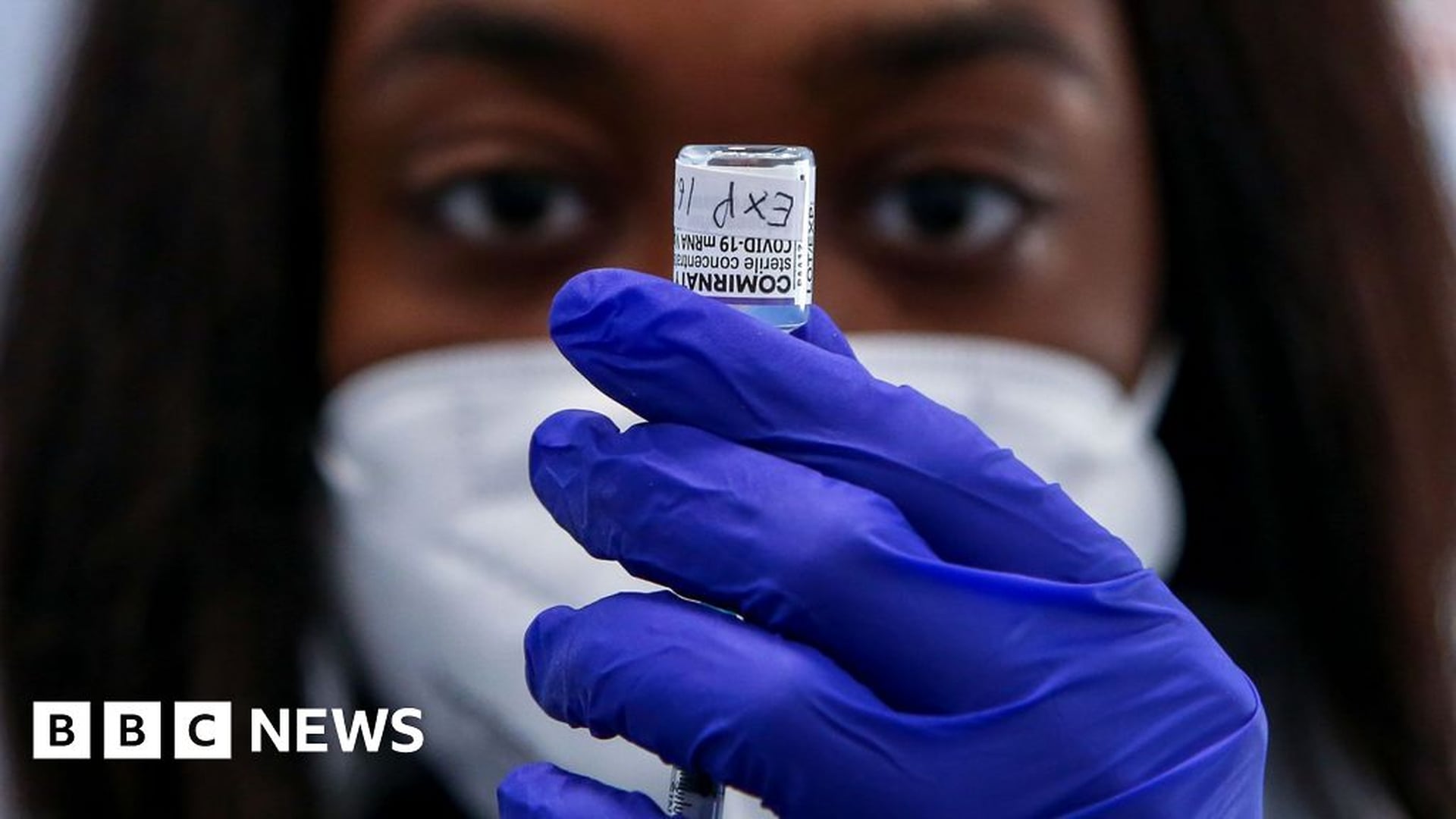
The global health landscape stands at a pivotal juncture, celebrating monumental successes in immunisation while grappling with the persistent challenge of public trust. Recent comprehensive analyses, echoing findings from a significant report, unequivocally demonstrate that widespread vaccine deployment has been instrumental in averting hundreds of thousands, if not millions, of deaths across the globe, particularly during recent health emergencies. This triumph of scientific innovation and logistical coordination underscores the profound impact that collective health interventions can have on human well-being and societal resilience. Yet, beneath this veneer of success lies a complex undercurrent of vaccine hesitancy and distrust, a phenomenon that threatens to undermine future public health efforts and erode the very foundations of community protection.
The undeniable efficacy of vaccines represents one of humanity's greatest achievements in disease prevention. From eradicating smallpox to significantly reducing the burden of polio, measles, and diphtheria, immunisation programs have historically transformed global health, extending lifespans and improving quality of life for billions. The rapid development and deployment of novel vaccines during recent global pandemics further cemented their critical role, preventing severe illness, hospitalisations, and fatalities on an unprecedented scale. These scientific breakthroughs, coupled with massive public health campaigns, showcased the potential for global solidarity and rapid response in the face of widespread threats. The sheer volume of lives saved and the mitigation of economic and social disruption stand as a testament to the power of preventive medicine.
However, the very success of these campaigns has inadvertently brought into sharper focus the fragility of public trust. Despite overwhelming scientific evidence and tangible benefits, a significant portion of the global population remains hesitant or outright resistant to vaccination. This hesitancy is not a monolithic issue; it is a complex tapestry woven from diverse threads of misinformation, historical grievances, socio-economic disparities, and a general erosion of confidence in institutions. Understanding these multifaceted drivers is crucial for any effective strategy aimed at fostering greater acceptance and ensuring the sustained success of immunisation programs worldwide.
One of the most potent forces fueling vaccine hesitancy is the pervasive spread of misinformation and disinformation. In an increasingly interconnected world, false narratives can propagate rapidly across digital platforms, often outcompeting accurate scientific information. These narratives frequently exploit existing anxieties, fears, and political divisions, creating echo chambers where unsubstantiated claims gain traction and legitimacy. The sheer volume and sophistication of these campaigns make it challenging for individuals to discern truth from falsehood, leading to confusion and skepticism. Combatting this infodemic requires a concerted global effort, involving not only fact-checking and debunking but also proactive strategies to build media literacy and critical thinking skills among the public.
Beyond the digital realm, historical contexts and systemic inequities play a significant role in shaping public trust. In many parts of the world, communities have experienced medical injustices, exploitation, or neglect, leading to deep-seated skepticism towards health authorities and scientific institutions. These historical wounds are not easily healed and can manifest as a profound distrust in new health interventions, regardless of their proven benefits. Furthermore, socio-economic disparities, including unequal access to healthcare, education, and reliable information, exacerbate these issues. Marginalized populations, often disproportionately affected by disease, may also be the most vulnerable to misinformation and the least likely to trust systems that have historically failed them.
The imperative of transparent and empathetic communication from health authorities, scientists, and governments cannot be overstated. Building trust requires more than simply presenting facts; it demands active listening, acknowledging concerns, and communicating with clarity, consistency, and cultural sensitivity. Public health messages must be tailored to diverse audiences, addressing specific worries and providing context that resonates with local values and beliefs. Acknowledging uncertainties, explaining scientific processes, and admitting when knowledge evolves can actually enhance credibility, rather than diminish it. The goal should be to foster a dialogue, not a monologue, creating an environment where questions are welcomed and answered respectfully.
Effective strategies for rebuilding trust must also extend to robust community engagement and the empowerment of local leadership. Trusted community figures – religious leaders, educators, local health workers, and respected elders – often hold significant sway within their networks. Collaborating with these individuals and integrating them into public health campaigns can bridge the gap between official institutions and the populace. Localised approaches that respect cultural nuances and address specific community needs are far more likely to succeed than one-size-fits-all directives. This grassroots engagement fosters a sense of ownership and partnership, transforming communities from passive recipients of health interventions into active participants in their own well-being.
Moreover, the issue of global health equity is intrinsically linked to public trust. Disparities in vaccine access, distribution, and affordability across different nations and within countries can breed resentment and reinforce perceptions of injustice. When some populations are left behind, or when wealthier nations hoard resources, it undermines the very principle of global health solidarity. Ensuring equitable access to vaccines and other health resources is not just an ethical imperative but a strategic necessity for building and maintaining trust on a global scale. A world where health is a privilege, not a right, will inevitably be a world rife with distrust and vulnerability.
Finally, investing in resilient and robust public health infrastructure is fundamental. This includes not only the capacity to deliver vaccines but also to conduct surveillance, provide routine healthcare, and engage in ongoing health education. Strong public health systems that are consistently present and responsive to community needs build long-term relationships and foster confidence over time. These systems serve as reliable sources of information and care, counteracting the influence of misinformation and demonstrating a sustained commitment to public welfare. The lessons learned from recent global health crises underscore the critical importance of these foundational investments.
In conclusion, while the life-saving impact of global immunisation programs is undeniable, the journey towards universal health security is incomplete without addressing the profound challenge of public trust. This requires a multi-pronged approach: combating misinformation, acknowledging historical injustices, promoting transparent communication, fostering community engagement, and ensuring global health equity. Earning and maintaining public trust is an ongoing process, demanding sustained commitment, empathy, and a deep understanding of the diverse human experiences that shape health beliefs. Only by collectively addressing these complex issues can the world fully harness the power of vaccines and build a healthier, more resilient future for all.
Support Nivaran Foundation's efforts to promote health literacy and equitable access to vital health information globally.
Talk to Nivaran Global