
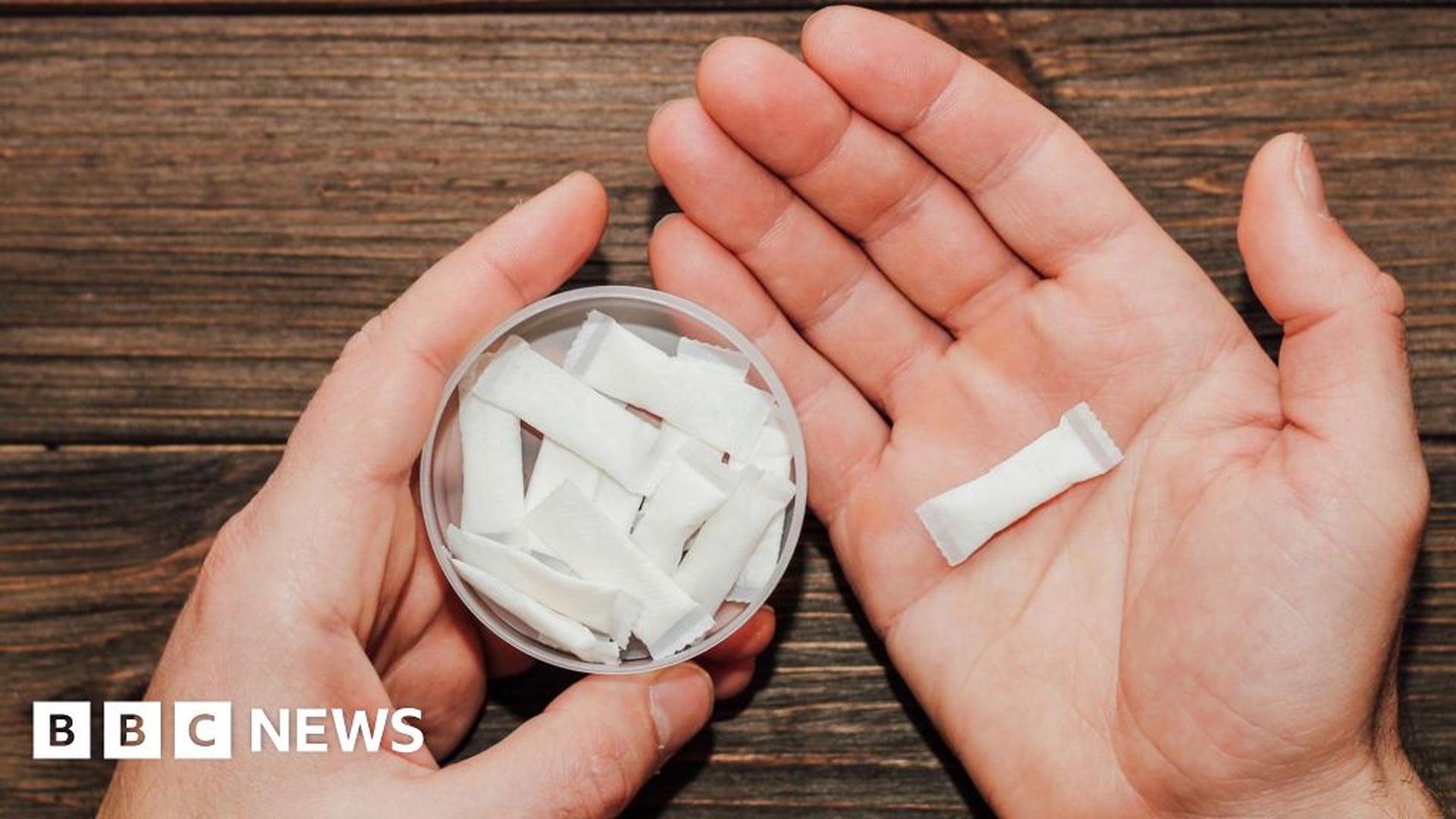
The global health community is sounding an urgent alarm over a rapidly escalating trend: the widespread use of caffeine pouches among teenagers. Fueled by aggressive social media marketing and influencer endorsements, these discreet products, often resembling nicotine pouches but containing potent doses of caffeine, are finding their way into the hands of students and young athletes across continents. What began as a niche product is quickly becoming a global phenomenon, raising serious concerns about immediate and long-term health implications for an entire generation. As these products bypass traditional regulatory scrutiny and leverage digital platforms, health experts, educators, and parents are grappling with an unprecedented challenge to youth well-being. The seemingly innocuous "caffeine boost" masks a spectrum of risks that could profoundly impact adolescent development and public health worldwide.
The appeal of caffeine pouches to adolescents is multifaceted, deeply rooted in contemporary youth culture. Many are drawn by marketing portraying them as a quick, convenient solution for enhanced focus during study, an energy surge before sports, or simply to keep up with modern life. Social media campaigns frequently present them as a "healthy" alternative to sugary energy drinks, a tool for peak performance, or a harmless social accessory. Their discreet format allows consumption without detection, adding to their appeal. This perceived convenience and promise of improved performance create a powerful draw, particularly for those navigating academic pressures or competitive extracurriculars. However, marketing often downplays or omits significant health risks associated with high-dose caffeine in developing bodies, creating a dangerous illusion of safety. Subtle branding and appealing flavors further mask the potent stimulant content.
The health risks associated with adolescent caffeine pouch use are substantial and alarming. Teenagers' developing bodies are particularly vulnerable to high caffeine intake. Cardiovascular issues are a primary concern; excessive caffeine can lead to increased heart rate, elevated blood pressure, and even arrhythmias, especially in individuals with undiagnosed heart conditions. Beyond the heart, the central nervous system is significantly impacted. High caffeine doses can trigger severe anxiety, nervousness, and panic attacks, exacerbating existing mental health conditions or inducing new ones. Sleep disruption is another critical consequence, as caffeine interferes with natural sleep cycles, leading to insomnia, fatigue, and impaired cognitive function. This creates a vicious cycle where more caffeine is consumed to combat sleep deprivation. Furthermore, caffeine is an addictive substance. Regular use can lead to physical dependence, resulting in withdrawal symptoms like headaches, irritability, and fatigue. This addiction can divert attention from healthy coping mechanisms and potentially open doors to other forms of substance use. Long-term effects on brain development, particularly impulse control, are also a growing concern.
One of the most significant challenges in addressing the rise of caffeine pouches is the complex and often inadequate regulatory landscape. Many are marketed as dietary supplements or "energy products," circumventing stringent oversight. This loophole often means they lack clear labeling regarding caffeine content, age restrictions, or comprehensive health warnings. Different countries have varying approaches, leading to a patchwork of laws manufacturers exploit. Products banned in one nation might be freely available and aggressively marketed in another. Rapid product innovation also outstrips legislative action, creating a constant game of catch-up for public health authorities. This lack of consistent global standards makes it incredibly difficult to control import, sale, and advertising, leaving youth vulnerable. The absence of a unified international framework for classifying and regulating these novel caffeine delivery systems poses a formidable barrier to effective public health intervention.
Social media platforms have proven to be an unparalleled amplifier for the caffeine pouch trend, making them central to this global health crisis. Influencers, often paid, promote these products to vast young audiences, presenting them as trendy or essential for success. Videos demonstrating use, discussing perceived benefits, and even creating challenges go viral, reaching millions of impressionable teenagers worldwide. Platform algorithms, designed to maximize engagement, inadvertently push content that resonates with specific demographics, including youth interested in fitness, gaming, or academic performance. This creates echo chambers where perceived benefits are exaggerated, and risks are minimized or ignored. Parents and educators often struggle to monitor or counter this pervasive digital marketing, as content is subtle, ephemeral, and tailored to bypass traditional controls. The sheer volume and speed at which these trends spread make it incredibly challenging for public health messages to effectively inform young people about the dangers. The digital landscape has become a fertile ground for unchecked promotion.
In the face of these challenges, comprehensive and proactive educational initiatives are paramount. Schools, in collaboration with health organizations, must implement robust health education programs specifically addressing the risks of high-dose caffeine products. These programs should foster critical thinking, enabling students to evaluate social media content and marketing claims discerningly. Parents and guardians also play a crucial role. Open, non-judgmental conversations about caffeine, its effects, and the pressures teenagers face are essential. Providing accurate information about healthy energy sources, stress management, and adequate sleep can empower young people to make informed choices. Furthermore, media literacy education is vital, teaching adolescents to identify sponsored content, understand influencer marketing, and recognize online misinformation. Equipping youth with knowledge and tools to navigate the digital landscape responsibly is a critical defense against emerging health trends driven by commercial interests. Community-based workshops can further bolster these efforts.
Addressing the global proliferation of caffeine pouches requires a concerted, multi-sectoral approach. International health organizations, national governments, regulatory bodies, and technology companies must collaborate to establish clearer guidelines and enforce stricter controls. This includes developing unified standards for product labeling, implementing age restrictions, and holding manufacturers accountable for misleading marketing claims. Social media platforms bear significant responsibility to moderate content promoting potentially harmful products to minors and to implement features that flag or remove such advertisements. Furthermore, cross-border research is essential to fully understand the long-term health impacts on diverse adolescent populations and to develop evidence-based prevention strategies. Sharing best practices and coordinating regulatory efforts across jurisdictions will be crucial in preventing manufacturers from shifting sales to less regulated markets. Only through a unified global front can the international community effectively protect its youth from this emerging public health threat and ensure commercial interests do not supersede the well-being of future generations.
The rise of teenage caffeine pouch use represents a significant and evolving global public health crisis, demanding immediate and sustained attention. What might appear as a minor trend is, in reality, a symptom of broader challenges: unchecked social media influence, regulatory loopholes, and pervasive pressure on adolescents to constantly perform. As these products continue to spread globally, the potential for widespread adverse health outcomes—from cardiovascular strain and severe anxiety to sleep disorders and addiction—is immense. Nivaran Foundation urges a proactive stance from all stakeholders: governments, health agencies, educators, parents, and technology platforms. Protecting the health and developmental trajectory of our youth requires not just awareness, but decisive action, stringent regulation, and comprehensive education to navigate the complex landscape of modern consumer trends and digital influence. The future well-being of millions of young people worldwide hinges on our collective ability to respond effectively.
Support Nivaran Foundation's global initiatives to protect youth health and advocate for responsible digital environments worldwide.
Talk to Nivaran Global