The global landscape of employment is undergoing a profound transformation, presenting an unprecedented challenge for young people entering the workforce. Across continents, nations are grappling with the critical question of how to adequately prepare their youth for dynamic, rapidly evolving job markets. This issue, highlighted by recent inquiries into youth unemployment and inactivity, transcends national borders, demanding a global perspective on educational reform and societal support structures. The stakes are high: a generation’s future economic stability, mental well-being, and societal contribution depend on effective solutions.
At the heart of this global predicament lies a significant disconnect between the skills traditionally imparted by educational institutions and the competencies demanded by modern industries. While foundational literacy and numeracy remain crucial, employers increasingly seek a broader spectrum of abilities, including critical thinking, problem-solving, digital fluency, adaptability, creativity, and strong interpersonal communication. Many current curricula, however, often lag behind these evolving requirements, leaving graduates ill-equipped for the realities of the 21st-century workplace. This "skills gap" is not confined to any single region; it is a pervasive issue affecting both developed economies struggling with automation and emerging economies striving for industrialization. In regions like Sub-Saharan Africa, where youth populations are burgeoning, the challenge is particularly acute, with millions entering the job market annually with insufficient vocational or advanced skills. Similarly, in parts of Europe and North America, highly educated graduates often find themselves underemployed or in roles that do not fully utilize their academic qualifications, pointing to a systemic mismatch.
The rapid pace of technological advancement, particularly in artificial intelligence, automation, and data science, further exacerbates this challenge. Jobs that were once stable are now being redefined or rendered obsolete, while entirely new sectors emerge with novel skill requirements. Education systems, designed for a more predictable industrial era, often struggle to adapt quickly enough to these shifts. This necessitates a fundamental re-evaluation of how knowledge and skills are delivered, moving beyond rote learning towards approaches that foster continuous learning, resilience, and an entrepreneurial mindset. The emphasis must shift from simply acquiring information to developing the capacity to apply, innovate, and adapt in diverse contexts. This includes integrating practical, project-based learning, fostering collaboration, and encouraging creative problem-solving from an early age.
Beyond the formal education system, the role of families and communities is equally paramount in shaping a young person's readiness for work. Parental engagement, access to enriching home environments, and early exposure to diverse career paths can significantly influence aspirations and skill development. In many parts of the world, socio-economic disparities mean that not all young people have equal access to these vital resources. Children from disadvantaged backgrounds often attend under-resourced schools, lack access to digital tools at home, and may not have family networks that can provide career guidance or mentorship. This perpetuates cycles of disadvantage, making it harder for them to compete in an increasingly competitive job market. Bridging this "opportunity gap" requires targeted interventions, community support programs, and policies that ensure equitable access to quality education and skill-building opportunities for all, regardless of their starting point.
The consequences of widespread youth unemployment and inactivity extend far beyond economic metrics. They have profound implications for public health, particularly mental well-being. The prolonged struggle to find meaningful employment can lead to significant psychological distress, including anxiety, depression, and a sense of hopelessness. Young people who feel disengaged from society and lack a sense of purpose are at higher risk of developing mental health issues, which can have long-term impacts on their personal lives, relationships, and overall health. Furthermore, economic insecurity in early adulthood can lead to poorer physical health outcomes over a lifetime, as individuals may lack access to adequate healthcare, nutritious food, or stable housing. This creates a vicious cycle where poor health can hinder employment prospects, and unemployment can exacerbate health problems, placing additional strain on healthcare systems globally.
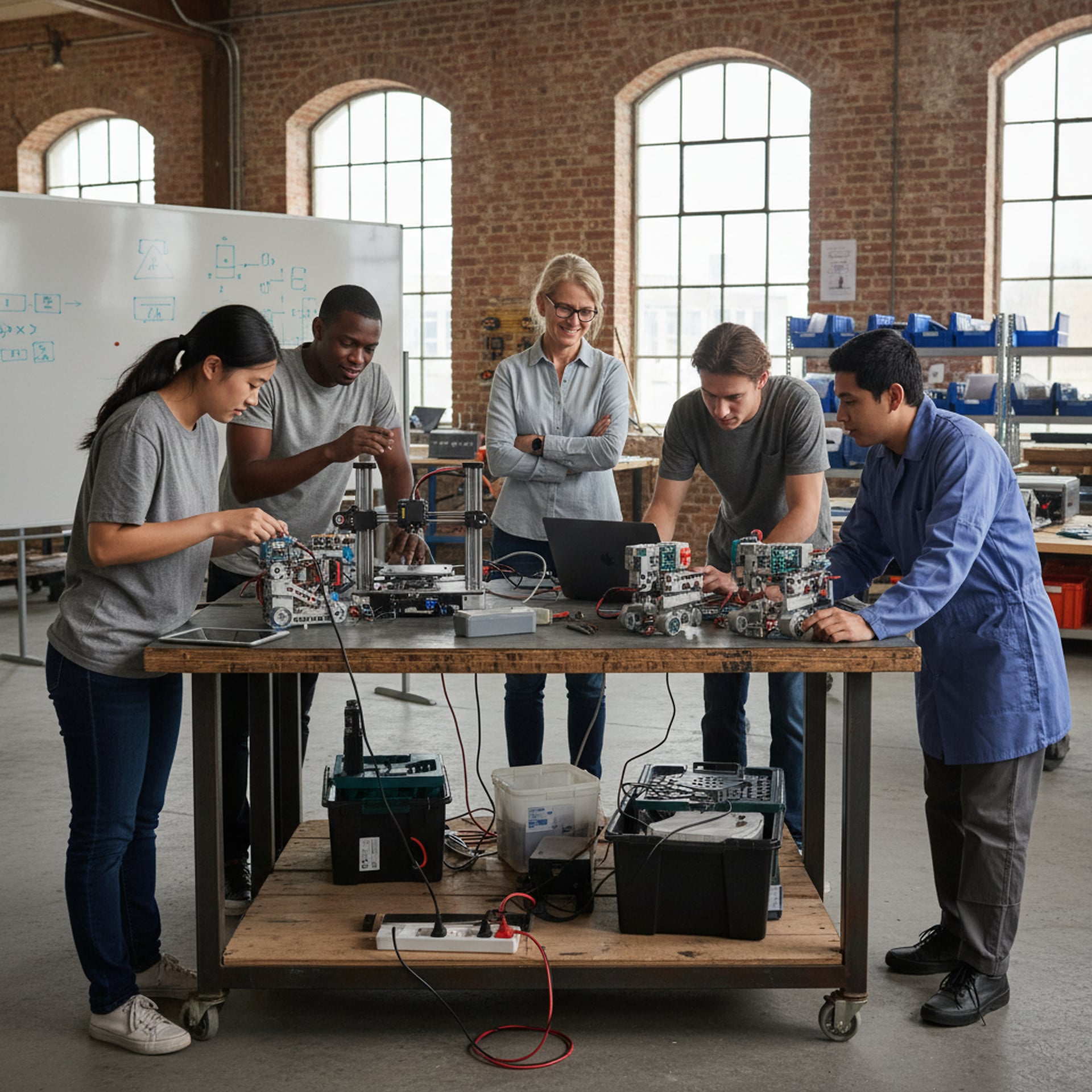
Addressing this multifaceted global challenge requires a comprehensive and collaborative approach involving governments, educational institutions, industries, and civil society organizations. Firstly, there is an urgent need for curriculum reform that is agile and responsive to labor market demands. This means fostering stronger partnerships between schools and employers to ensure that educational content is relevant and that students gain exposure to real-world work environments through internships, apprenticeships, and mentorship programs. Vocational training, often undervalued, must be elevated and integrated into mainstream education pathways, providing credible and respected routes to skilled employment. Digital literacy and critical thinking should not be standalone subjects but woven into the fabric of all learning, preparing students for a digitally driven world.
Secondly, investment in teacher training and professional development is crucial. Educators need to be equipped with the skills and resources to teach 21st-century competencies effectively, moving beyond traditional pedagogical methods. This includes training in digital tools, project-based learning methodologies, and career guidance techniques. Furthermore, robust and continuous career counseling services, starting from early secondary education, are essential to help young people understand their strengths, explore diverse career options, and make informed choices about their educational and professional pathways. These services should extend beyond simple job placement to include guidance on personal development, financial literacy, and adaptability.
Thirdly, governments must prioritize policies that support youth employment and create an enabling environment for economic growth and job creation. This includes incentives for businesses to invest in training and hiring young people, reducing barriers to entrepreneurship, and fostering innovation ecosystems. Social safety nets and support programs for unemployed youth are also vital, providing a buffer against economic hardship and enabling them to pursue further training or job search efforts without falling into destitution. International cooperation can also play a significant role, allowing countries to share best practices, pool resources, and address common challenges related to youth workforce development.
Finally, civil society organizations, like the Nivaran Foundation, play a crucial role in advocating for these changes, implementing innovative educational programs, and providing direct support to vulnerable youth. By focusing on holistic development that addresses both educational and health needs, such organizations can help bridge gaps left by formal systems. Our work globally aims to empower young people through access to quality education, skill-building initiatives, and health awareness programs, recognizing that a healthy, educated youth population is the cornerstone of sustainable development. Supporting initiatives that foster critical thinking, digital literacy, and vocational skills, while also addressing mental health and well-being, is paramount to ensuring that the next generation is not only employed but also thriving.
The challenge of preparing young people for the future of work is a shared global responsibility. It demands foresight, collaboration, and sustained investment in human capital. By reimagining education, strengthening family and community support, and fostering dynamic partnerships, we can ensure that every young person has the opportunity to contribute meaningfully to society, achieve their full potential, and lead a healthy, productive life. The time for action is now, to secure a prosperous and equitable future for all.
Support Nivaran Foundation's global initiatives to empower youth through education and health programs, fostering a brighter future for all.
Talk to Nivaran Global