
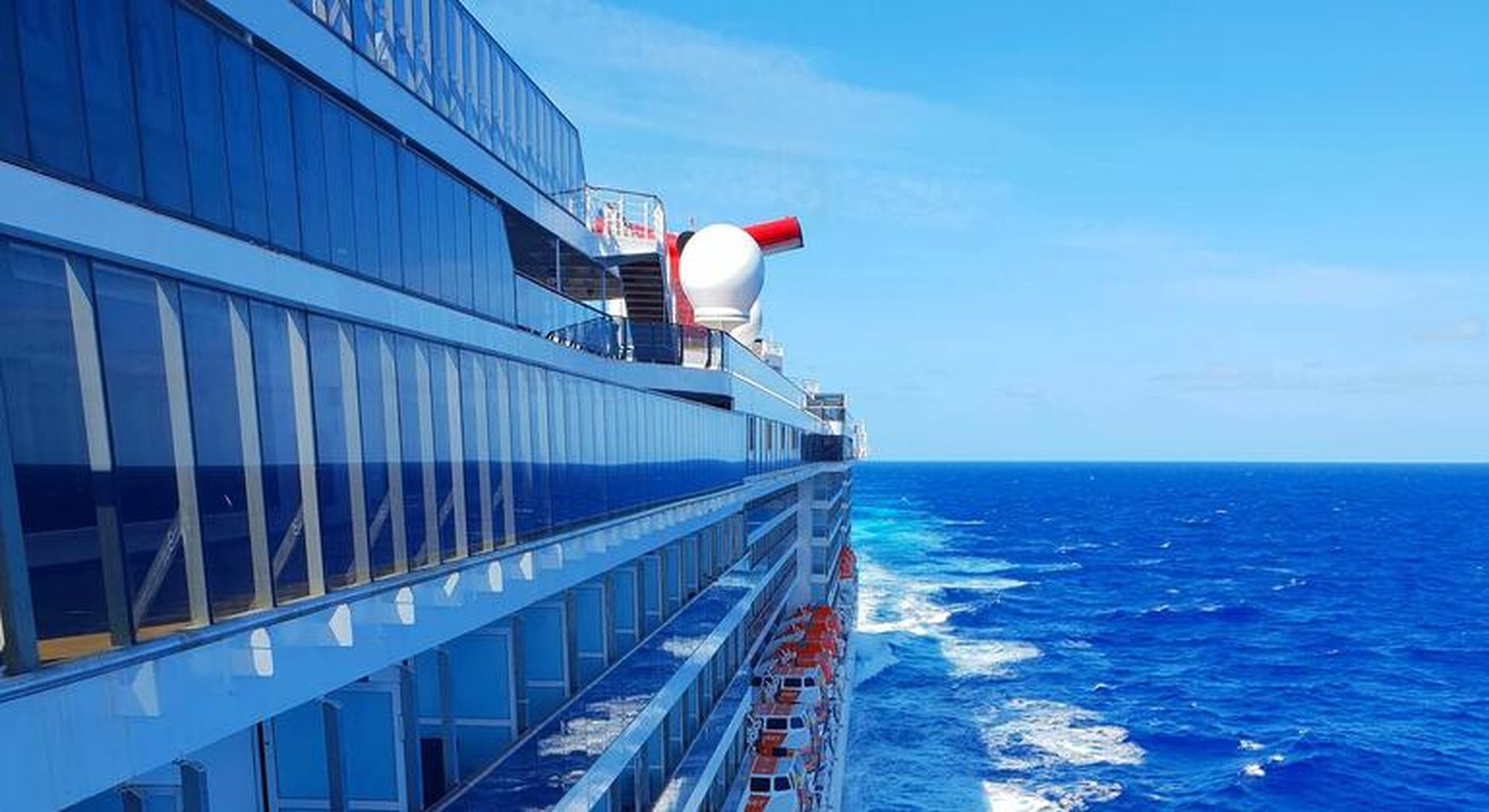
In a concerning development for global public health and the international travel industry, the World Health Organization (WHO) has confirmed a suspected outbreak of hantavirus infection aboard a cruise ship traversing the Atlantic. The incident has tragically resulted in the deaths of three individuals, with three additional passengers currently battling severe illness. This unfolding situation underscores the persistent challenges posed by zoonotic diseases and the critical importance of vigilant international health surveillance, particularly within the dynamic environment of global travel.
The announcement from the WHO on Sunday sent ripples through health agencies worldwide, initiating a coordinated response to monitor the situation and prevent further spread. While the specific strain of hantavirus and the exact source of infection remain under investigation, the immediate focus is on containment, patient care, and safeguarding public health. The nature of a cruise ship, with its transient population and confined spaces, presents unique complexities for disease management, even for a virus not typically transmitted person-to-person. This event serves as a stark reminder of the interconnectedness of our world and how quickly localized health threats can become matters of global concern.
Hantavirus is not a single entity but a family of viruses carried by rodents worldwide, capable of causing severe and sometimes fatal diseases in humans. Transmission to humans primarily occurs when individuals come into contact with aerosolized particles from rodent urine, droppings, or saliva. This can happen when contaminated areas are disturbed, allowing the virus to become airborne and inhaled. Crucially, hantavirus is generally not transmitted from person to person, a key factor that differentiates its management from highly contagious respiratory viruses like influenza or SARS-CoV-2. However, the initial exposure point on a cruise ship, a setting not typically associated with rodent infestations, raises questions about the circumstances leading to this tragic outbreak.
There are two main clinical syndromes associated with hantavirus infection: Hantavirus Pulmonary Syndrome (HPS) and Hemorrhagic Fever with Renal Syndrome (HFRS). Given the reported symptoms and rapid progression in the affected individuals, the current outbreak is suspected to involve HPS, which is prevalent in the Americas. HPS typically begins with flu-like symptoms such as fever, muscle aches, fatigue, and headaches. These initial symptoms can rapidly progress to severe respiratory distress, fluid accumulation in the lungs, and acute respiratory failure, often requiring intensive care and mechanical ventilation. The mortality rate for HPS can be high, often exceeding 30-40%, making early diagnosis and supportive care critical for patient survival. The incubation period for hantavirus can range from one to eight weeks after exposure, making it challenging to pinpoint the exact moment or location of infection, especially for individuals who have traveled extensively.
Upon learning of the suspected cases, the cruise ship operator, in close collaboration with national and international health authorities, initiated a comprehensive emergency response. This included isolating the ill individuals to prevent any potential secondary exposures, though the primary mode of transmission for hantavirus typically negates person-to-person spread. Furthermore, extensive deep cleaning and disinfection protocols were implemented across the vessel, focusing particularly on areas where potential rodent contact might have occurred, such as storage facilities or cargo holds, if applicable. All passengers and crew were placed under heightened surveillance, with medical teams closely monitoring for any developing symptoms. The WHO's involvement ensures that the response adheres to international health regulations and best practices, facilitating information sharing and coordinated action among affected nations and port authorities.
The incident highlights the inherent challenges of managing infectious disease outbreaks on a mobile, international platform like a cruise ship. Such vessels operate across multiple jurisdictions, making coordinated health responses complex. The WHO's role is pivotal in bridging these jurisdictional gaps, providing technical guidance, and ensuring a harmonized approach to investigation, risk assessment, and communication. This includes advising on contact tracing – not for person-to-person transmission, but to identify potential shared exposure points on the ship or during port calls. Understanding where and how the initial exposure occurred is paramount to preventing future incidents and reassuring the traveling public.
This outbreak also serves as a potent reminder of the broader implications for global health security and the travel industry. The rapid movement of people and goods across continents means that infectious diseases, whether common or rare, can quickly transcend geographical boundaries. Robust global surveillance systems are the frontline defense against such threats, enabling early detection, rapid response, and effective containment. For the travel sector, particularly cruise lines, this incident underscores the necessity of having comprehensive public health emergency plans in place, including rigorous sanitation standards, crew training on disease recognition and reporting, and clear communication protocols with passengers and health authorities. Maintaining public trust in travel safety is paramount, and transparent, proactive measures are essential.
Preventative measures against hantavirus primarily revolve around rodent control and avoiding contact with rodents and their droppings. This includes sealing up holes and gaps in homes and buildings, trapping rodents, and cleaning up rodent nesting sites and droppings safely. When cleaning areas potentially contaminated by rodents, it is crucial to ventilate the area, wear gloves and masks, and use a bleach solution or other disinfectant, avoiding sweeping or vacuuming which can aerosolize viral particles. While these measures are more relevant for land-based environments, the principle of environmental hygiene and vigilance against zoonotic vectors remains critical for any setting, including the supply chains and port operations that support international travel.
For travelers, while the overall risk of hantavirus infection remains low, awareness is key. Individuals who develop flu-like symptoms, especially after potential exposure to rodent-infested environments or after international travel, should seek medical attention promptly and inform their healthcare provider of their travel history. Early diagnosis and supportive care are crucial for improving outcomes, particularly for HPS. The global health community, led by organizations like the WHO, remains committed to understanding, monitoring, and responding to such outbreaks, continuously refining strategies to protect public health against emerging and re-emerging infectious diseases. The investigation into the cruise ship outbreak is ongoing, with authorities working diligently to ascertain all facts and implement necessary measures to prevent similar occurrences in the future, reinforcing the collective responsibility to safeguard global health.
Support Nivaran Foundation's critical work in global health education and disease prevention, ensuring communities worldwide are informed and protected.
Talk to Nivaran Global