
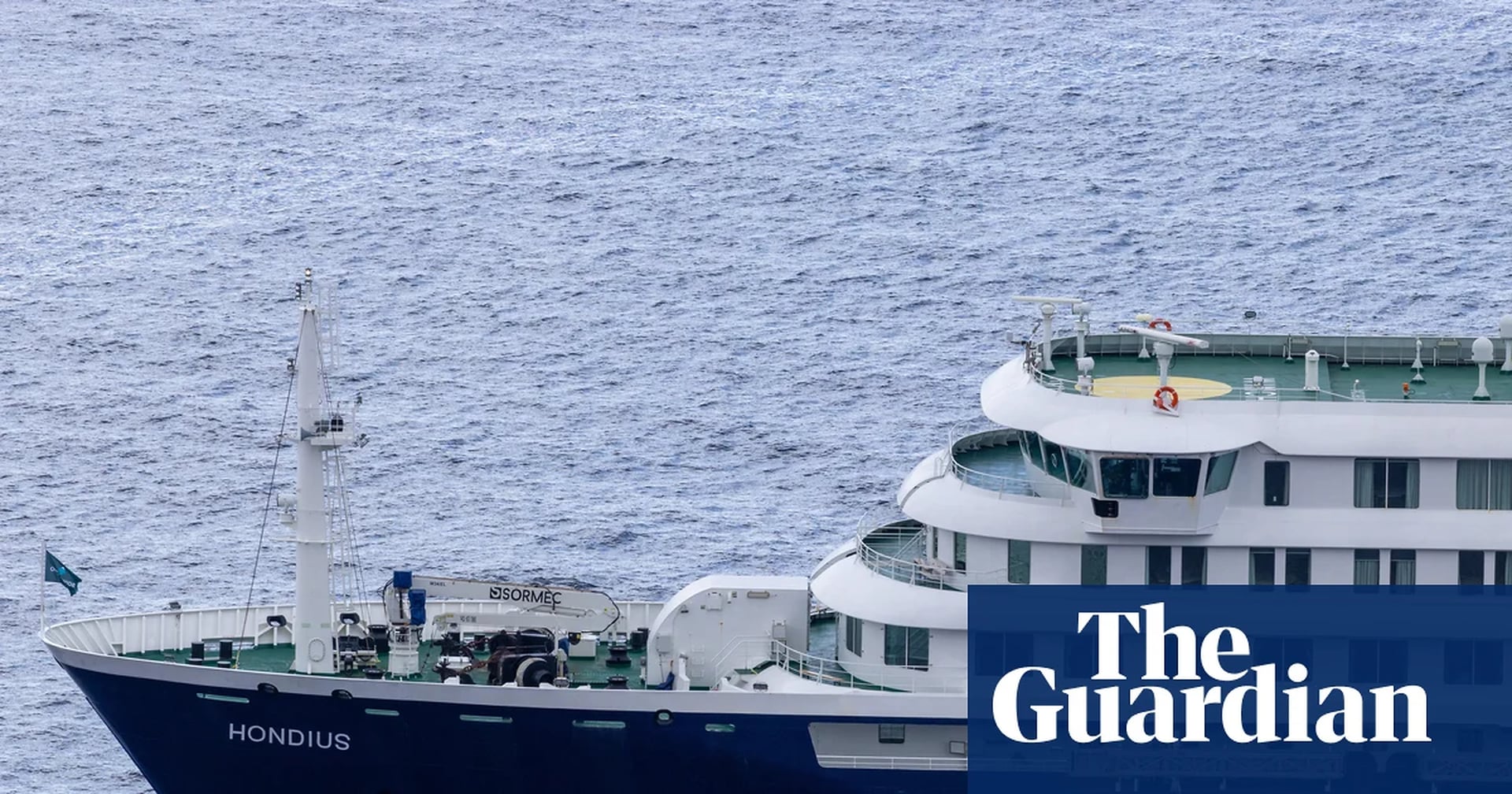
Global health authorities are on high alert following the identification of a third suspected hantavirus case linked to a recent cruise ship journey. The UK Health Security Agency (UKHSA) confirmed that a British national, currently on the remote South Atlantic island of Tristan da Cunha, has been diagnosed with suspected hantavirus. This development follows two earlier confirmed cases involving British nationals, who are currently receiving medical care in hospitals in the Netherlands and South Africa. The emerging cluster underscores the complex challenges inherent in managing infectious disease outbreaks in an increasingly interconnected world, particularly those involving international travel and remote locales.
Hantavirus represents a group of viruses that can cause severe, sometimes fatal, illnesses in humans. These viruses are zoonotic, meaning they are primarily transmitted to humans from animals, specifically rodents. The primary mode of transmission occurs when humans inhale aerosolized particles from rodent urine, droppings, or saliva. Less commonly, infection can result from direct contact with rodents or their waste, or from a rodent bite. Hantaviruses are not typically spread from person to person, which is a critical distinction in public health responses, though rare instances of person-to-person transmission have been documented with specific strains, such as the Andes virus in South America.
The clinical manifestations of hantavirus infection vary significantly depending on the specific strain involved. In the Americas, hantaviruses typically cause Hantavirus Pulmonary Syndrome (HPS), a severe respiratory illness characterized by flu-like symptoms that rapidly progress to respiratory distress, fluid accumulation in the lungs, and severe breathing difficulties. HPS can have a mortality rate as high as 38%. In Europe and Asia, different hantavirus strains are responsible for Hemorrhagic Fever with Renal Syndrome (HFRS), which presents with fever, headaches, muscle aches, and abdominal pain, potentially leading to kidney failure and hemorrhage. The severity of HFRS ranges from mild to severe, with mortality rates typically lower than HPS but still significant. There is currently no specific treatment or vaccine for hantavirus infections; medical care is primarily supportive, focusing on managing symptoms and complications.
The involvement of a cruise ship in this suspected outbreak introduces a layer of complexity. While hantavirus is not transmitted directly between humans in most cases, a cruise ship environment could serve as a nexus for exposure if passengers or crew encountered infected rodents or their contaminated environments either onboard (less likely for hantavirus, given typical cruise sanitation standards) or, more plausibly, during shore excursions in areas where hantavirus-carrying rodents are prevalent. Identifying the precise point of exposure for the affected individuals is crucial but challenging, given the extensive travel itineraries common to international cruises and the incubation period of the virus, which can range from a few days to several weeks.
The geographical spread of the reported cases—with patients in Tristan da Cunha, the Netherlands, and South Africa—highlights the global reach of modern travel and the subsequent dispersal of potential health threats. The cruise ship's journey from the South Atlantic towards Tenerife means that individuals onboard may have visited multiple ports and regions, each with its own ecological profile and potential for zoonotic disease exposure. This scenario underscores the critical need for robust international surveillance and rapid communication among health agencies across different continents to track and manage potential health risks effectively.
The UK Health Security Agency (UKHSA) is at the forefront of the public health response, coordinating efforts with international partners. Their work involves meticulous contact tracing to identify anyone who may have been exposed, monitoring the health of individuals who were on the same cruise, and disseminating information to prevent further spread. This collaborative approach is essential when dealing with diseases that cross national borders and involve diverse healthcare systems. The prompt reporting and investigation of these cases demonstrate the vigilance of global health networks in identifying and responding to unusual disease clusters.
The situation on Tristan da Cunha, one of the world's most remote inhabited islands, presents unique challenges. The island's isolation, limited medical facilities, and logistical difficulties in evacuating patients complicate the provision of advanced medical care. This incident brings into sharp focus the vulnerabilities of remote communities to infectious diseases, particularly when they are connected to the wider world through tourism and shipping. Ensuring adequate medical support and preventing local transmission in such settings requires extraordinary coordination and resources.
This suspected hantavirus cluster serves as a stark reminder of the broader implications for global travel and health security. In an era of unprecedented mobility, infectious diseases can emerge and spread rapidly across continents, challenging diagnostic capabilities and public health infrastructures. The incident underscores the importance of comprehensive health screening protocols at ports of entry, robust epidemiological surveillance systems, and the capacity for rapid diagnostic testing to identify and contain potential outbreaks before they escalate into wider public health crises.
Lessons drawn from past pandemics and epidemics consistently emphasize the need for continuous vigilance against zoonotic spillover events. As human populations expand and encroach upon natural habitats, the interface between humans and wildlife intensifies, increasing the potential for novel pathogens to jump species barriers. This hantavirus incident, while currently contained, reinforces the imperative for ongoing research into zoonotic diseases, ecological monitoring, and public health education to mitigate future risks.
Preventative measures for hantavirus primarily revolve around avoiding contact with rodents and their habitats. For travelers, this includes practicing good hygiene, avoiding areas with visible rodent activity, and taking precautions when exploring natural environments or staying in accommodations that might harbor rodents. Cruise lines and other travel operators also bear a responsibility to maintain stringent sanitation and pest control measures onboard vessels and at their facilities, as well as to inform passengers about potential health risks in regions they visit. Early reporting of symptoms, especially after international travel, is crucial for timely diagnosis and management.
Clinical vigilance among healthcare providers is paramount, particularly given the non-specific initial symptoms of hantavirus, which can easily be mistaken for common viral infections like influenza. A detailed travel history, including specific locations visited and potential exposures, becomes an indispensable tool for clinicians in diagnosing rare or geographically specific diseases. Raising awareness among medical professionals about emerging global health threats ensures that unusual symptom presentations are investigated thoroughly, leading to earlier intervention and improved patient outcomes.
While the immediate focus remains on the health of the affected individuals and the containment of the suspected outbreak, such incidents can also have broader economic and social impacts. Concerns about infectious diseases can affect travel confidence, potentially leading to cancellations and reduced tourism, which in turn can impact local economies reliant on visitors. The cruise industry, in particular, faces scrutiny regarding its health and safety protocols, necessitating transparent communication and proactive measures to reassure the public.
Nivaran Foundation remains committed to providing timely and accurate reporting on global health challenges, ensuring that the public and policymakers are well-informed about emerging threats and the collaborative efforts to address them. Our mission is to foster a deeper understanding of the interconnectedness of global health, advocating for robust systems that protect communities worldwide.
The ongoing investigation into this suspected hantavirus cluster serves as a critical reminder of the dynamic nature of global health. It highlights the continuous need for international cooperation, advanced surveillance, and rapid response mechanisms to safeguard public health against the myriad of infectious diseases that can emerge and spread across our increasingly mobile world. Vigilance, collaboration, and informed action remain our strongest defenses against such global health threats.
Support Nivaran Foundation's global health reporting and initiatives by contributing to our mission for a healthier, more informed world.
Talk to Nivaran Global