
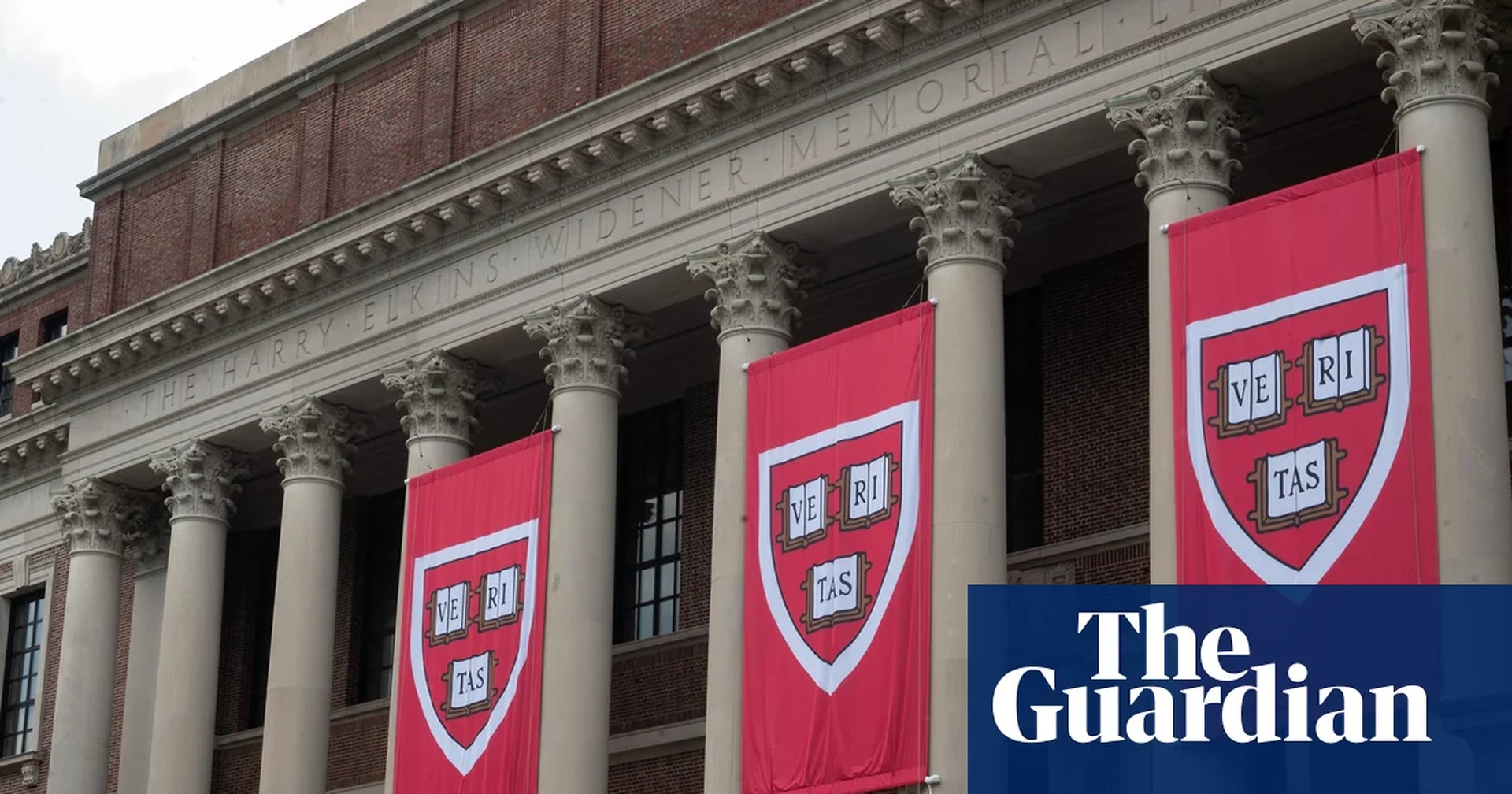
The venerable halls of Harvard University are currently the epicenter of a significant academic debate, one that resonates far beyond its historic gates and into the broader landscape of global higher education. Faculty members are preparing to cast their votes on a controversial proposal designed to address what many perceive as a pervasive issue: grade inflation. This initiative, which seeks to limit the number of top grades awarded in each course, has not only stirred considerable discussion within the university community but has also brought to the fore a critical global conversation about academic rigor, assessment methodologies, and the intrinsic value of university degrees.
At the heart of the Harvard proposal is a plan to cap 'A' grades at 20% of students enrolled in any given course, with a small allowance for four additional top marks. Furthermore, the initiative suggests the introduction of an internal 'average percentile rank' system. This new metric would reportedly move away from traditional grade point averages (GPAs) as the primary determinant for academic honors and awards, instead relying on raw scores to provide a more nuanced and potentially more accurate reflection of student performance. The rationale behind these measures, as articulated by proponents, is a commitment to reinforcing academic standards and ensuring that top grades truly signify exceptional achievement, rather than becoming a statistical norm.
Grade inflation is not a phenomenon exclusive to any single institution or nation; it is a subject of ongoing concern for universities and educational policymakers across continents. The perceived erosion of grading standards can have profound implications, potentially devaluing academic credentials and making it increasingly difficult for employers and graduate programs to differentiate between candidates. When a significant majority of students receive high grades, the signal conveyed by those grades becomes diluted, challenging the traditional role of academic assessment as a reliable indicator of competence and mastery. This global trend has prompted various institutions to explore different strategies, from recalibrating grading scales to implementing stricter departmental guidelines, all in an effort to maintain the integrity of their academic offerings.
The arguments in favor of curbing grade inflation often center on the principle of meritocracy and the long-term credibility of educational institutions. Proponents argue that a more stringent grading system fosters a genuinely competitive academic environment, motivating students to strive for excellence and ensuring that those who truly excel are appropriately recognized. They contend that a system where high grades are too easily attainable can inadvertently lower expectations, diminish the incentive for deep learning, and ultimately compromise the quality of graduates entering the workforce or pursuing advanced studies. From this perspective, initiatives like Harvard's are seen as necessary correctives, essential for upholding the global reputation of academic excellence.
However, the proposal has not been met with universal acclaim, particularly among the student body. Many students express significant opposition, raising concerns about the potential negative impacts on their academic experience, mental well-being, and future prospects. The pressure to achieve high grades is already immense in competitive academic environments, and a cap on 'A's could intensify this pressure, potentially leading to increased stress and anxiety. Students often argue that a fixed quota for top grades might create an arbitrary barrier, penalizing those who genuinely perform at an 'A' level but fall outside the designated percentage. They also worry about the implications for graduate school admissions, scholarship opportunities, and job market competitiveness, where GPAs often play a crucial initial screening role.
Beyond the immediate concerns of students, the debate also touches upon fundamental pedagogical questions. What is the primary purpose of grading? Is it solely to rank and differentiate students, or should it also serve as a tool for feedback, motivation, and the encouragement of learning? Some educators and theorists argue that an overly punitive or restrictive grading system can stifle creativity, discourage risk-taking in learning, and shift the focus from genuine intellectual curiosity to a narrow pursuit of points. They suggest that effective assessment should be holistic, reflecting not just mastery of content but also critical thinking, problem-solving skills, and personal growth, which may not always align with a rigid numerical cap.
The global context of this debate is particularly salient. Universities worldwide are increasingly interconnected, with students, faculty, and research flowing across borders. The academic standards set by institutions like Harvard often serve as benchmarks, influencing practices and perceptions globally. If a prestigious university takes a definitive stance on grade inflation, it could inspire similar discussions and policy changes in other leading institutions, creating a ripple effect across the international higher education landscape. This interconnectedness means that decisions made in one corner of the academic world can have far-reaching consequences for students and educators everywhere.
Furthermore, the discussion around grade inflation is intertwined with broader societal expectations of higher education. As the cost of university education continues to rise globally, students and their families increasingly expect a tangible return on their investment, often measured in terms of career opportunities and earning potential. High grades are frequently seen as a crucial stepping stone to these outcomes. Therefore, any policy that potentially makes high grades harder to attain can be perceived as undermining this expected return, adding another layer of complexity to the debate.
The proposed 'average percentile rank' system at Harvard also introduces an interesting dimension to the conversation about assessment innovation. Moving away from a simple GPA to a system based on raw scores and relative performance within a cohort could offer a more nuanced evaluation of student achievement. Such a system might mitigate some of the perceived arbitrariness of grade caps by providing a more granular understanding of where a student stands relative to their peers, rather than just assigning a letter grade that might be influenced by external factors or departmental grading cultures. If successful, this approach could also inspire other institutions globally to rethink their own methods for recognizing academic distinction.
Ultimately, the vote at Harvard next week is more than just an internal university matter; it is a moment that encapsulates a global tension between the desire to uphold rigorous academic standards and the realities of student pressure, institutional competition, and evolving pedagogical philosophies. The outcome, whatever it may be, will undoubtedly contribute to the ongoing, worldwide discourse on how best to evaluate, reward, and foster intellectual excellence in the 21st century. It serves as a powerful reminder that the pursuit of educational integrity is a continuous journey, requiring thoughtful consideration of its profound impact on individuals and societies across the globe.
Support Nivaran Foundation's independent journalism as we explore critical issues shaping global education and health.
Talk to Nivaran Global