
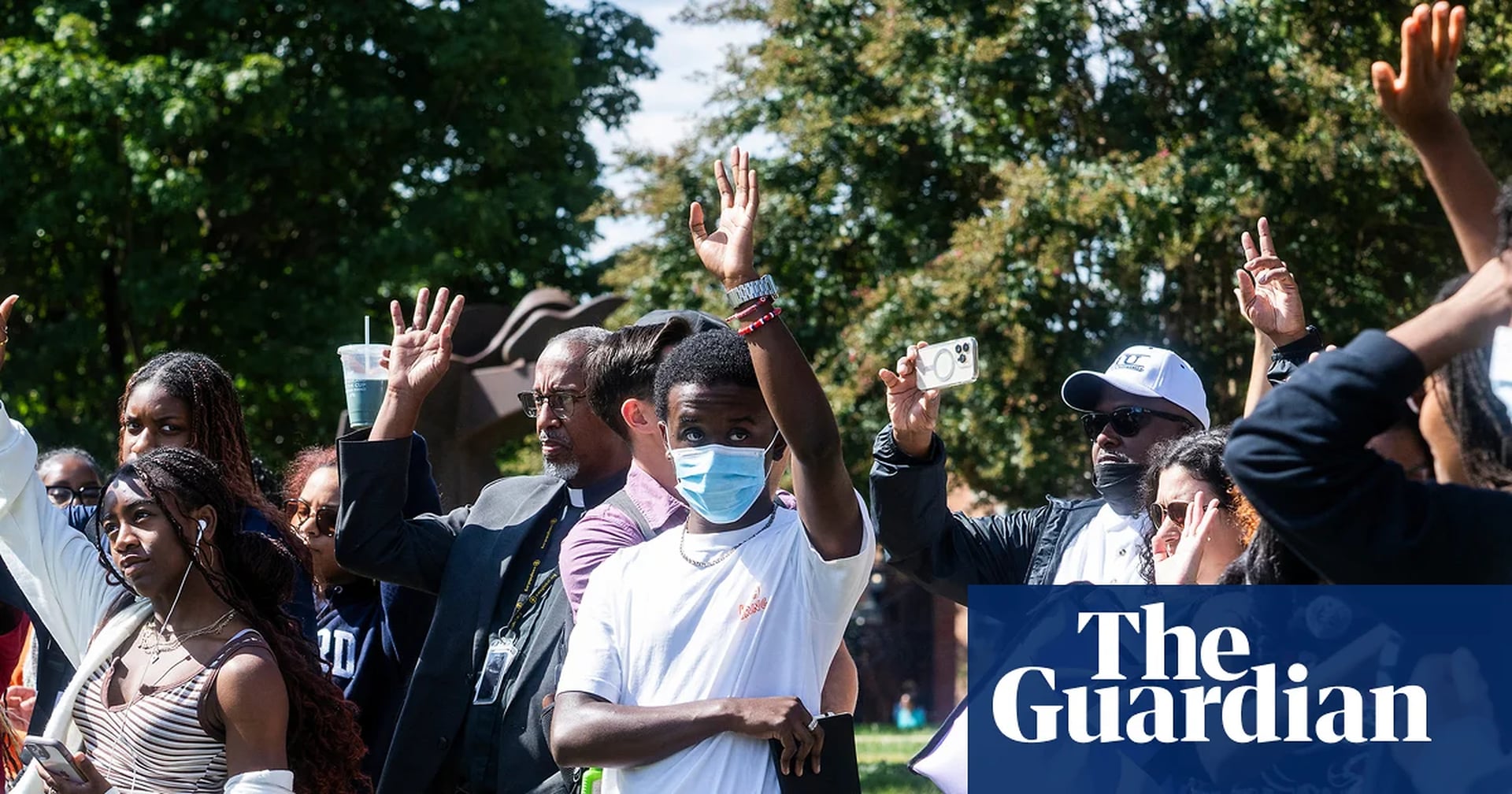
A groundbreaking study has shed new light on the profound, long-term impact of collegiate environments on the health and well-being of Black Americans. The research suggests that attending a Historically Black College or University (HBCU) during young adulthood may be significantly correlated with superior cognitive outcomes in later life. This compelling correlation underscores the critical role that culturally affirming and supportive educational settings play in fostering enduring wellness, extending far beyond graduation.
Published recently, the study meticulously examined a substantial sample of 1,978 Black American adults who pursued higher education between the pivotal years of 1940 and 1980. A notable 35% of this cohort attended an HBCU, with all participants having completed high school in states where such institutions were present. The researchers' methodology focused on identifying potential links between the specific collegiate environment experienced by these individuals and their cognitive health decades later. The findings point towards a robust connection, indicating that the choice of higher education institution could have profound implications for an individual's long-term cognitive vitality and overall well-being. This period was particularly significant, as it encompassed transformative shifts in the American educational and social landscape, making the environmental factors within colleges exceptionally influential.
The timeframe of the study, spanning four decades from 1940 to 1980, is crucial for understanding its implications. This era was defined by two monumental policy changes that reshaped the fabric of American schooling and society. In 1952, the landmark Supreme Court decision in Brown v. Board of Education declared racial segregation in public schools unconstitutional, challenging decades of 'separate but equal' doctrine. Just over a decade later, the Civil Rights Act of 1964 further solidified this progress by explicitly barring racial discrimination in educational institutions. While these policies aimed to dismantle segregation, their implementation was often slow and met with resistance, meaning that for many Black students, HBCUs remained vital havens of academic excellence and cultural affirmation during a period of intense societal flux. These institutions offered a unique educational experience, often serving as pillars of community and intellectual development when mainstream institutions were either inaccessible or actively hostile.
The question naturally arises: why might HBCUs foster better later-life cognitive outcomes? Experts suggest that the unique environment provided by HBCUs during this period offered a buffer against the pervasive racial stress and discrimination that Black students often faced in broader society, including at predominantly white institutions (PWIs). At HBCUs, students found themselves in spaces designed to uplift, affirm, and celebrate Black identity and culture. This supportive atmosphere likely reduced chronic stress, which is known to have detrimental effects on cognitive function over time. Furthermore, HBCUs cultivated a strong sense of belonging and community, providing invaluable social support networks that could endure for decades. Students benefited from mentorship by Black faculty and administrators who understood their experiences and aspirations, offering guidance that was both academically rigorous and culturally relevant. This holistic approach to education, emphasizing not just intellectual growth but also personal development and racial identity formation, could be a key factor in promoting long-term cognitive resilience.
Beyond the protective aspects, HBCUs were also centers of rigorous academic training and intellectual discourse. They prepared students not only for professional success but also for leadership roles within their communities and the broader struggle for civil rights. The curriculum and pedagogy often incorporated perspectives and histories relevant to the Black experience, fostering a deeper engagement with learning and a strong sense of purpose. This intellectual stimulation, combined with an environment that encouraged critical thinking about social justice and equity, likely contributed to enhanced cognitive reserve and flexibility. In contrast, Black students attending PWIs during this era often encountered environments marked by isolation, microaggressions, and overt discrimination, which could impose a significant cognitive burden, diverting mental resources away from learning and towards coping with racial adversity. The cumulative effect of such experiences could potentially contribute to disparities in long-term health outcomes, including cognitive function.
When the study refers to 'better later-life cognitive outcomes,' it encompasses various aspects of brain health and function. This could include improved memory, enhanced executive functions such as planning and problem-solving, quicker processing speed, and potentially a reduced risk of age-related cognitive decline. A collegiate experience that minimizes stress, fosters intellectual growth, builds strong social connections, and affirms one's identity can lay a robust foundation for lifelong brain health. The psychological benefits derived from a supportive educational setting — such as increased self-esteem, a strong sense of agency, and reduced experiences of racial trauma — are not merely fleeting emotional states but can have physiological impacts that protect cognitive faculties over the lifespan. This suggests that the quality of one's early adult social and educational environment can literally shape the trajectory of brain aging.
While the study focuses on a specific demographic and historical period in the United States, its implications resonate globally, particularly for understanding the impact of educational environments on marginalized communities worldwide. The findings underscore the universal importance of creating inclusive, equitable, and culturally responsive educational systems. For students from indigenous communities, ethnic minorities, or other historically disadvantaged groups across the globe, access to educational institutions that affirm their identity, provide strong mentorship, and protect them from discrimination can be crucial for their academic success and long-term health. The study serves as a powerful reminder that education is not merely about imparting knowledge but also about nurturing well-being, fostering resilience, and building a foundation for a healthy, cognitively vibrant life. Investing in diverse educational models and supporting institutions that cater to the unique needs of specific communities can yield profound dividends for public health and social equity on a global scale.
In conclusion, this research offers a compelling argument for the enduring positive influence of Historically Black Colleges and Universities on the cognitive health of their alumni. It highlights how educational settings, particularly those that provide cultural affirmation and a protective environment, can significantly contribute to long-term wellness. As societies worldwide strive for greater equity and improved health outcomes for all citizens, the lessons from this study on HBCUs provide invaluable insights into the power of supportive and identity-affirming educational experiences. It reinforces the notion that true educational excellence must encompass not only academic rigor but also a deep commitment to the holistic well-being of every student, paving the way for healthier, more engaged global communities.
Support Nivaran Foundation's efforts to champion educational equity and health research worldwide.
Talk to Nivaran Global