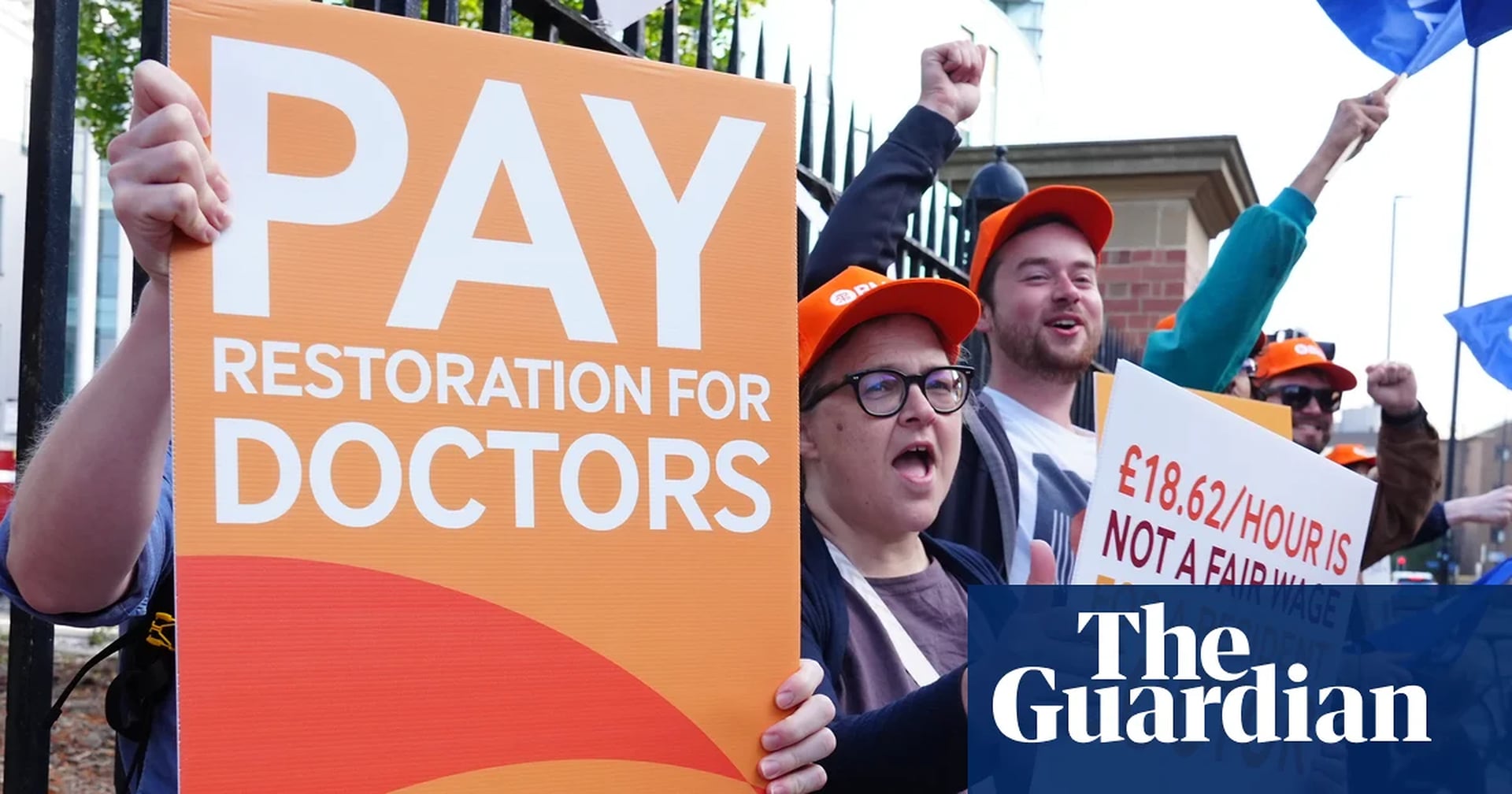
Global healthcare systems are increasingly strained by industrial action from medical professionals, a phenomenon that has transcended national borders and become a pressing international concern. What began in many regions as legitimate demands for fair compensation, improved working conditions, and adequate staffing levels has evolved into a complex crisis, profoundly impacting patient care and fracturing professional solidarity. The situation observed in some advanced economies, where doctors express deep anxiety over cancelled procedures and the long-term health of their national services, mirrors a broader international dilemma. This escalating tension underscores an urgent global need for sophisticated communication and diplomatic resolution to safeguard public health.
The immediate and most visible consequence of these widespread strikes is the severe disruption to patient services. Across various nations, countless medical appointments are postponed, elective surgeries are delayed, and crucial preventative screenings are cancelled. This creates immense anxiety and uncertainty for patients and their families, who face the distressing prospect of worsening health conditions or prolonged suffering. The cumulative effect of these delays is not merely an inconvenience; it can lead to increased morbidity and, in some cases, mortality rates, placing an unbearable burden on individuals and further straining healthcare infrastructure when services eventually resume. For medical professionals, the ethical dilemma is profound: they are torn between advocating for their fundamental rights and their unwavering, deeply ingrained commitment to patient well-being. This internal conflict contributes significantly to moral distress and burnout, even among those who reluctantly participate in industrial action.
While initial support for industrial action often stems from a shared sense of grievance regarding declining real-term pay, deteriorating work environments, and unsustainable workloads, prolonged disputes inevitably lead to internal divisions within the medical community. Some professionals, driven by an acute sense of responsibility and concern for immediate patient welfare, may feel compelled to cover shifts or express discomfort with the ongoing strikes. Others, compelled by economic necessity, a belief in the efficacy of collective action, or a deep-seated frustration with systemic neglect, continue to strike, viewing it as the only viable path to meaningful change. This internal conflict, where colleagues find themselves on opposing sides of a contentious issue, erodes the unity and collegiality that are vital for a cohesive and effective healthcare workforce. The exhaustion from covering unfamiliar shifts, the discomfort over the financial implications for the healthcare system, and the emotional toll of witnessing patient distress contribute to widespread burnout and disillusionment, threatening the long-term sustainability of the medical profession itself.
The current wave of industrial action exposes fundamental vulnerabilities within global healthcare systems. Many systems were already grappling with chronic underfunding, critical staff shortages, an aging workforce, and the lingering effects of recent global health crises, such as pandemics. Strikes exacerbate these pre-existing conditions, pushing already stretched resources to breaking point. The financial cost of strikes is substantial, encompassing not only overtime payments for cover staff but also the long-term economic impact of reduced productivity, delayed patient recovery, and the potential for increased demand on emergency services. Furthermore, the erosion of public trust in healthcare institutions and the perceived instability of services can have lasting negative consequences, making it harder to attract and retain talent in the future, thus perpetuating a vicious cycle of understaffing and overwork. Beyond the immediate operational challenges, the psychological toll on non-striking staff, who often bear the brunt of increased workload and moral injury, is immense, contributing to a broader crisis of morale across the sector.
Governments worldwide bear a significant responsibility in addressing the root causes of these disputes. Often, industrial action is a last resort, taken after prolonged periods of unsuccessful negotiation or perceived governmental inaction on critical issues like pay erosion, unsustainable workload, and professional development pathways. A purely confrontational approach, characterized by rigid stances, a refusal to engage meaningfully, or an attempt to legislate away the right to strike, only serves to prolong the crisis and deepen animosity. Such tactics rarely lead to sustainable solutions and often further entrench positions, making future collaboration even more difficult. Effective governance, conversely, demands a proactive and empathetic strategy that involves listening to the legitimate concerns of medical professionals, conducting transparent and data-driven analyses of workforce needs and compensation, and committing to sustainable long-term solutions rather than reactive, short-term fixes. This requires political courage and a willingness to invest adequately in public health infrastructure and its workforce.
The path forward, as increasingly highlighted by many within the medical community and public health advocates, lies in robust and sincere diplomacy. This is not merely about negotiation tactics; it is about fostering genuine dialogue, understanding differing perspectives, and seeking mutually beneficial outcomes that prioritize the health of the population and the stability of the healthcare system. Diplomacy in this critical context requires several key components:
- Empathy and Recognition: Acknowledging the legitimate grievances of healthcare workers regarding their working conditions, real-term pay stagnation, and the immense pressure they operate under. This involves moving beyond rhetoric to a sincere appreciation of their indispensable role.
- Open and Consistent Communication Channels: Establishing and maintaining transparent, regular communication pathways between government bodies, hospital administrations, and medical professional organizations. These channels must be seen as credible and trustworthy by all parties.
- Skilled and Impartial Mediation: Utilizing neutral, experienced mediators or independent arbitration bodies who can facilitate constructive discussions, identify common ground, and help bridge divides when direct negotiations falter. This external perspective can often unlock impasses.
- Data-Driven Solutions and Long-term Vision: Moving beyond immediate strike resolutions to develop comprehensive, evidence-based strategies for workforce planning, fair compensation frameworks that account for inflation and cost of living, and sustainable funding models for healthcare systems. This requires a commitment to long-term investment and reform, not just crisis management.
- Patient-Centric Focus: Ensuring that all discussions and resolutions ultimately prioritize the well-being of patients and the long-term stability and resilience of healthcare services. This shared objective can often serve as a powerful unifying force.
Such a comprehensive diplomatic approach emphasizes collaboration over confrontation, aiming to rebuild trust, restore a sense of shared purpose, and create a more resilient and equitable healthcare environment for all.
The challenges faced by one nation's healthcare system due to industrial action are often mirrored elsewhere, underscoring the universal nature of these issues. The global community can learn immensely from these diverse experiences, sharing best practices in dispute resolution, workforce management, and healthcare policy. International bodies and foundations dedicated to global health have a crucial role to play in advocating for fair treatment and adequate support for healthcare workers worldwide, promoting ethical industrial relations, and highlighting the critical importance of a stable, well-supported medical workforce for global health security. The interconnectedness of global health means that instability in one region can have ripple effects, underscoring the universal need for robust and resilient healthcare systems capable of weathering future crises.
The current landscape of healthcare strikes worldwide is a stark reminder of the fragility of even the most advanced medical systems when fundamental issues of professional well-being, adequate resourcing, and systemic support are neglected. The call for diplomacy is not a sign of weakness but an acknowledgement of profound wisdom – recognizing that sustained conflict benefits no one, least of all the patients who rely on these vital services for their very lives. For the sake of global health and the millions who depend on it, a renewed commitment to empathetic dialogue, strategic negotiation, and collaborative problem-solving is not merely desirable; it is an absolute and urgent imperative for governments, medical associations, and the public alike. The future of healthcare, globally, hinges on our collective ability to resolve these complex disputes constructively and with foresight.
Support Nivaran Foundation's independent global health reporting on critical issues affecting healthcare systems worldwide.
Talk to Nivaran Global