
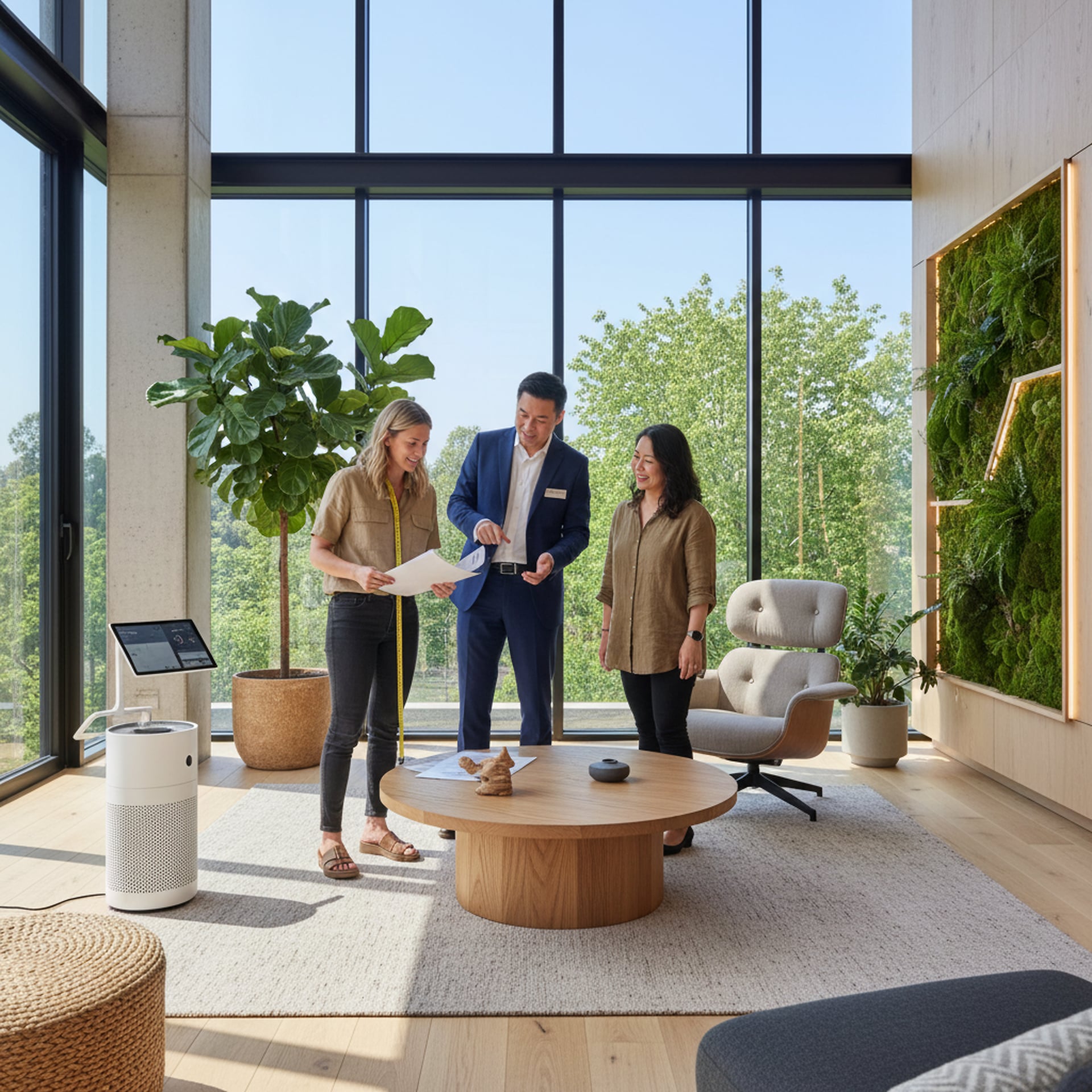
The concept of a home has historically been synonymous with shelter, comfort, and personal sanctuary. Yet, a burgeoning global movement is challenging this traditional view, positing that our living spaces are not merely passive backdrops to our lives but active determinants of our health and longevity. This paradigm shift sees homes not just as structures, but as complex ecosystems requiring careful "diagnosis" and intentional design to foster human well-being. Across continents, architects, interior designers, and increasingly, medical consultants are collaborating to weave health-promoting principles into the very fabric of residential environments.
This innovative approach stems from a growing recognition of the profound impact indoor environments have on human health. With a significant portion of the global population spending up to 90% of their time indoors, the quality of our homes directly influences everything from respiratory health and cardiovascular function to mental acuity and emotional stability. Poor indoor air quality, often laden with pollutants from building materials, cleaning products, and external sources, contributes to a rise in allergies, asthma, and other respiratory ailments. Inadequate natural light can disrupt circadian rhythms, leading to sleep disturbances and mood disorders. Suboptimal ergonomics in furniture and layout can exacerbate musculoskeletal issues, while persistent noise pollution can elevate stress levels and impair cognitive function. The silent epidemic of "sick building syndrome," once largely confined to commercial spaces, is now being acknowledged within residential contexts, prompting a proactive re-evaluation of how we construct and inhabit our personal domains.
Enter the medical consultant, a new and increasingly vital player in the architectural and design process. These specialists bring a clinical understanding of human physiology and psychology to the drawing board, working alongside design professionals to identify potential health hazards and recommend evidence-based solutions. Their role extends beyond mere aesthetic advice, delving into the scientific underpinnings of material choices, ventilation systems, lighting design, and even the psychological impact of spatial arrangements. For instance, a medical consultant might advise on the selection of low-VOC (volatile organic compound) paints and finishes to minimize chemical off-gassing, or specify air filtration systems capable of trapping fine particulate matter and allergens. They might recommend specific light spectrums and automated lighting controls to mimic natural daylight cycles, thereby supporting healthy sleep patterns and boosting mood.
The scope of this "home health diagnosis" is comprehensive. It often begins with an environmental audit, assessing factors such as indoor air quality, humidity levels, electromagnetic field exposure, and water purity. Beyond environmental parameters, consultants also evaluate the home's potential to support physical activity, mental restoration, and social connection. This could involve designing spaces that encourage movement, integrating biophilic elements like indoor plants and natural views to reduce stress, or creating flexible areas that adapt to evolving family needs and promote intergenerational interaction. The goal is to move beyond mere compliance with building codes and towards creating truly regenerative environments that actively contribute to the inhabitants' vitality.
This trend is not exclusive to high-end luxury homes; it represents a broader shift in global health consciousness. While initial adoption might be seen in more affluent markets, the underlying principles are increasingly being integrated into mainstream architectural practices and urban planning initiatives worldwide. For instance, in densely populated urban centers across Asia and Europe, where space is at a premium and pollution is a constant concern, architects are exploring innovative solutions like vertical gardens, advanced air purification systems, and modular designs that maximize natural light and ventilation in compact apartments. In rapidly developing economies, there is an opportunity to embed these health-centric principles from the outset in new construction, avoiding the costly retrofits often required in older buildings. The educational component is crucial here, as raising awareness among homeowners, developers, and policymakers about the long-term benefits of healthy home design can drive broader adoption.
The benefits of this proactive approach are multifaceted and far-reaching. For individuals, living in a "medically optimized" home can lead to a significant reduction in chronic health conditions, from respiratory illnesses to stress-related disorders. Improved sleep quality, enhanced cognitive function, and a greater sense of well-being contribute to a higher quality of life and potentially increased longevity. For societies, a widespread adoption of healthy home principles could translate into reduced healthcare burdens, a more productive workforce, and more resilient communities. It aligns perfectly with the global push towards preventive medicine, shifting the focus from treating illness to fostering wellness.
However, the integration of medical expertise into home design is not without its challenges. Cost can be a significant barrier, as specialized materials, advanced filtration systems, and expert consultations can add to construction expenses. There is also a need for standardization and accreditation within this emerging field to ensure quality and credibility. Developing clear guidelines and certifications for "healthy homes" can help consumers navigate the market and ensure that design claims are backed by scientific evidence. Furthermore, educating both the public and professionals – from medical practitioners to construction workers – about the interdisciplinary nature of this work is essential for its widespread acceptance and implementation. Universities and professional bodies are beginning to offer specialized courses that bridge the gap between health sciences and environmental design, signaling a growing recognition of this interlinked future.
Looking ahead, the convergence of health and home design is poised to become an indispensable aspect of modern living. Advances in smart home technology, for example, are enabling real-time monitoring of indoor environmental parameters, allowing for dynamic adjustments to lighting, temperature, and air quality based on occupant needs and external conditions. Wearable health devices could one day seamlessly integrate with home systems, creating personalized health ecosystems that respond proactively to individual biometric data. The future home might not just be smart; it might be intuitively intelligent, a responsive partner in our pursuit of optimal health.
In conclusion, the global shift towards viewing homes as integral components of our health infrastructure marks a profound evolution in how we conceive of living spaces. By integrating medical insights with architectural innovation, we are moving beyond mere shelter towards creating environments that actively nurture human health and foster longevity. This interdisciplinary collaboration between medical consultants, designers, and homeowners is not just a trend; it represents a fundamental re-imagining of the home's role in global well-being, paving the way for a future where every dwelling is a foundation for health. The Nivaran Foundation believes that understanding and promoting such integrated approaches is key to building healthier, more resilient communities worldwide.
Support Nivaran Foundation's global initiatives to promote health and education for all, fostering environments where well-being can thrive.
Talk to Nivaran Global