
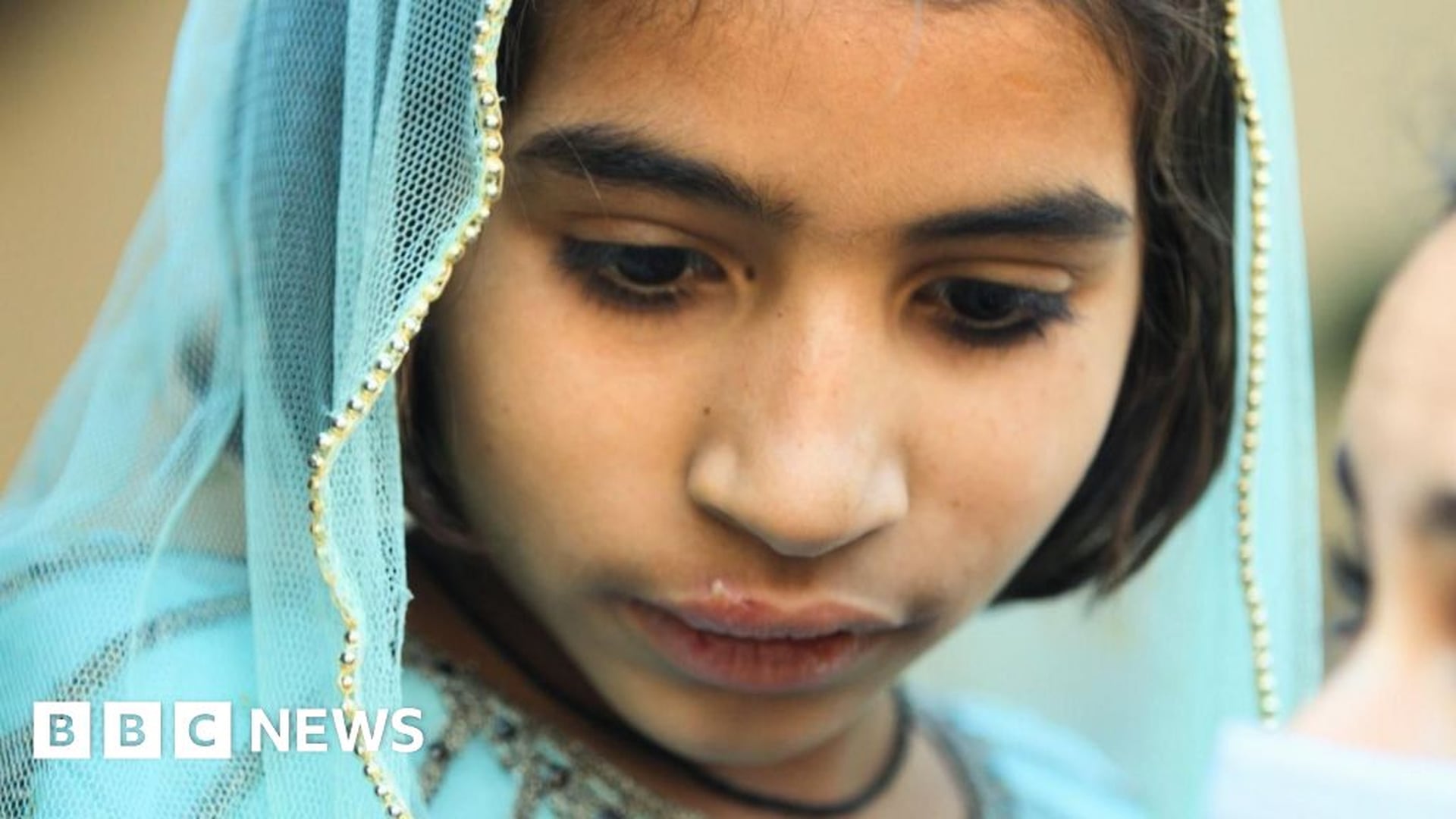
The revelation of a hospital in Pakistan allegedly reusing syringes, captured through undercover filming, has cast a stark light on the persistent and perilous challenges confronting global healthcare safety. This alarming incident, which has been linked to an outbreak of HIV among children, serves as a potent reminder of the devastating consequences when fundamental infection control protocols are neglected or deliberately flouted. The footage, reportedly showing medical staff administering injections without gloves and openly reusing syringes, paints a grim picture of systemic failures that extend far beyond the confines of a single institution, echoing concerns about patient safety in vulnerable healthcare settings across the globe.
The immediate context of this scandal is deeply troubling. An investigation brought to light practices within a medical facility where the very tools meant to heal were allegedly repurposed to spread disease. The visual evidence of staff handling medical equipment in a manner that directly contravenes established health guidelines is not merely a breach of protocol; it represents a profound betrayal of patient trust and a catastrophic failure of professional responsibility. Despite the compelling nature of the evidence, reports indicate that the hospital's leadership has vehemently denied the authenticity of the footage, a response that further complicates efforts to address the root causes and hold accountable those responsible for such egregious negligence. This denial, if sustained, underscores a significant hurdle in improving healthcare standards: the resistance to acknowledge and rectify critical deficiencies. Such institutional defensiveness can erode public confidence, making it harder for communities to trust the very systems designed to protect their health.
The human toll of such practices is immeasurable, particularly when it affects the most vulnerable members of society – children. An HIV diagnosis carries a lifelong burden, demanding continuous medical care, imposing significant financial strain on families, and often leading to social stigma. For children, the impact is compounded, affecting their development, education, and overall quality of life. The psychological trauma for parents witnessing their child contract a preventable, life-altering illness due to medical malpractice is profound and enduring. This outbreak is not just a statistic; it represents countless individual tragedies, each a testament to the urgent need for robust safeguards within healthcare systems. The long-term societal costs, including the strain on public health resources and the loss of human potential, are equally significant, highlighting the far-reaching ripple effects of seemingly isolated incidents of medical negligence.
The incident in Pakistan, while localized, resonates globally because the underlying issues it exposes are not unique to any single nation. Many low- and middle-income countries grapple with similar challenges, including insufficient funding for healthcare infrastructure, a chronic shortage of trained medical personnel, inadequate supply chains for single-use equipment, and weak regulatory oversight. In environments where resources are stretched thin, the temptation or perceived necessity to cut corners can become dangerously normalized. This often manifests in practices such as the reuse of disposable medical devices, improper sterilization techniques, and a general disregard for universal precautions designed to prevent the transmission of infectious diseases. Economic pressures on both healthcare providers and patients can inadvertently create an environment where cheaper, less safe alternatives are sought, perpetuating a cycle of risk.
Moreover, the problem is often exacerbated by a lack of awareness and continuous education among healthcare workers. While some instances of malpractice may stem from deliberate negligence, others might arise from a lack of up-to-date training, insufficient understanding of infection control principles, or a culture where unsafe practices have become entrenched over time. The absence of regular audits, quality control mechanisms, and punitive measures for non-compliance further perpetuates a cycle of substandard care, putting millions of patients at risk worldwide. This highlights a critical need for not just initial training, but ongoing professional development that keeps pace with evolving medical knowledge and best practices, ensuring that all healthcare providers are equipped with the latest information and skills to deliver safe care.
Addressing these systemic failures requires a multi-faceted approach. Firstly, there is an undeniable need for comprehensive and mandatory training programs for all healthcare professionals, emphasizing strict adherence to international infection control guidelines, including the proper use and disposal of syringes and other medical instruments. These programs must be regularly updated and reinforced through continuous professional development, incorporating practical, hands-on training and regular competency assessments. Secondly, governments and health ministries must prioritize investment in healthcare infrastructure, ensuring the consistent availability of essential supplies like single-use syringes, gloves, and disinfectants. This also includes establishing reliable and transparent supply chains that are resistant to corruption and inefficiency, guaranteeing that quality medical supplies reach even the most remote facilities.
Furthermore, strengthening regulatory frameworks and enforcement mechanisms is paramount. Independent oversight bodies must be empowered to conduct unannounced inspections, investigate complaints thoroughly, and impose meaningful sanctions on institutions and individuals found to be in violation of safety standards. Transparency in reporting medical errors and adverse events is also crucial, fostering a culture of accountability and continuous improvement rather than one of denial and concealment. Whistleblower protections for healthcare workers who report unsafe practices can also be instrumental in bringing hidden issues to light. Public awareness campaigns can also play a vital role, educating patients about their rights and what constitutes safe medical practice, thereby empowering them to question and report suspicious activities without fear of reprisal. This informed patient base can act as an additional layer of oversight, driving demand for higher standards of care.
The role of international health organizations and philanthropic foundations, such as Nivaran Foundation, is critical in supporting national efforts to elevate healthcare standards. By providing technical assistance, funding for training initiatives, and advocating for policy reforms, these bodies can help bridge gaps in resources and expertise. Collaborative efforts can facilitate the sharing of best practices, develop standardized protocols, and build capacity within national health systems to prevent future outbreaks linked to unsafe medical practices. The goal must be to foster resilient health systems capable of delivering safe, equitable, and high-quality care to all populations, regardless of their socio-economic status or geographic location. This global solidarity is not merely altruistic; it is a strategic imperative for global health security, as pathogens recognize no borders.
The tragedy unfolding from this specific incident in Pakistan serves as a global clarion call. It underscores that patient safety is not a luxury but a fundamental right, and its erosion in any part of the world poses a threat to global health security. The interconnectedness of our world means that infectious disease outbreaks, regardless of their origin, can quickly transcend borders, potentially leading to wider epidemics. Therefore, ensuring robust infection control and ethical medical practices everywhere is a collective responsibility. The international community must redouble its efforts to support countries in strengthening their health systems, promoting a culture of safety, and holding healthcare providers accountable. Only through sustained commitment and collaborative action can we prevent such preventable tragedies from recurring and safeguard the health and well-being of future generations. The lessons from this outbreak must be absorbed and acted upon with urgency, transforming a moment of crisis into an opportunity for profound and lasting change in global healthcare delivery, ensuring that trust in medical institutions is not just restored, but rigorously earned and maintained.
Support Nivaran Foundation's work to advocate for safer healthcare practices and stronger public health systems worldwide.
Talk to Nivaran Global