
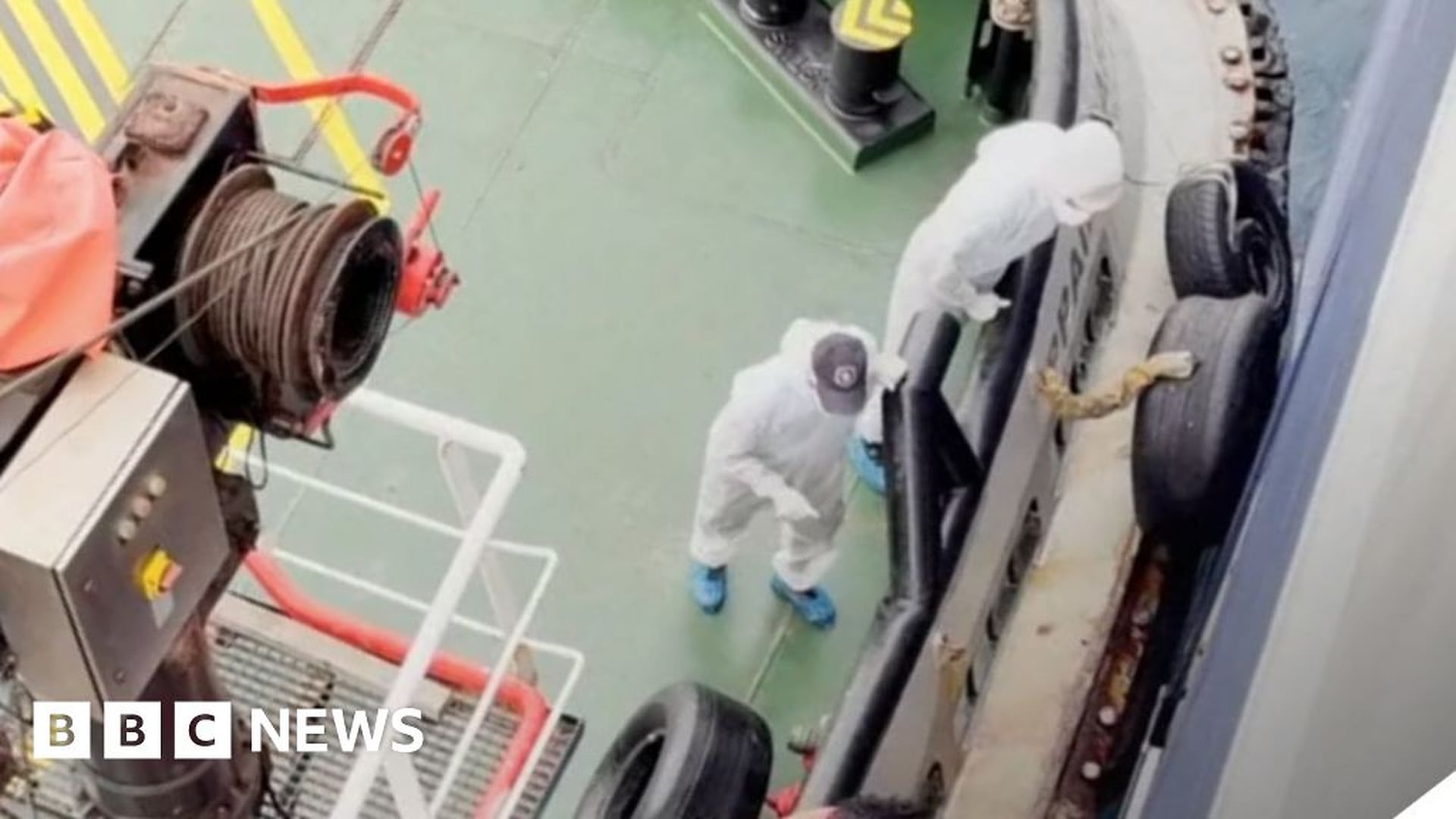
In a development that has underscored the persistent and evolving nature of global health threats, South African health authorities have confirmed the presence of the Andes strain of Hantavirus in two individuals associated with a recent cruise ship outbreak. This particular strain is notable and concerning because, unlike most other Hantaviruses, it is known to transmit directly between humans, raising significant implications for public health surveillance and containment strategies on an international scale. The confirmation by the South African health ministry on May 6, 2026, marks a critical moment in understanding the potential for novel pathogen spread in highly interconnected global environments.
Hantaviruses are a family of viruses typically carried by rodents and can cause severe disease in humans, primarily through exposure to infected rodent urine, droppings, or saliva. The clinical manifestations vary depending on the specific strain, ranging from Hantavirus Pulmonary Syndrome (HPS), a severe respiratory illness, to Hemorrhagic Fever with Renal Syndrome (HFRS), which affects the kidneys. While most Hantavirus infections are acquired through environmental contact with rodents, the Andes Hantavirus (ANDV), predominantly found in parts of South America, stands out due to its documented capability for person-to-person transmission. This unique characteristic transforms a typically zoonotic threat into one with the potential for more widespread community transmission, demanding heightened vigilance from health agencies worldwide.
The discovery of the Andes strain in passengers linked to a cruise ship outbreak presents a complex epidemiological challenge. Cruise ships, by their very nature, are confined environments that bring together individuals from diverse geographical locations, making them potential incubators and vectors for the rapid dissemination of infectious agents. The close quarters, shared facilities, and international travel itineraries inherent to cruise operations mean that a pathogen introduced onto a vessel can quickly spread among passengers and crew, and subsequently be carried to multiple countries upon disembarkation. This scenario necessitates swift and coordinated international public health responses, including rigorous contact tracing, isolation protocols, and comprehensive disinfection measures, to prevent broader outbreaks.
Understanding the Andes Hantavirus and its Transmission
The Andes Hantavirus, first identified in the early 1990s in Argentina, is primarily transmitted to humans through inhalation of aerosols contaminated with rodent excreta, particularly from the long-tailed pygmy rice rat. However, what distinguishes ANDV from other Hantaviruses, such as those causing HPS in North America, is its proven ability to spread from one infected person to another. This human-to-human transmission typically occurs through close contact with bodily fluids, such as saliva, urine, or blood, or through respiratory droplets, particularly during the acute phase of illness. Symptoms of HPS, caused by ANDV, include fever, muscle aches, headache, and gastrointestinal issues, rapidly progressing to severe respiratory distress and fluid accumulation in the lungs, with a high fatality rate if not promptly managed.
The implications of a human-transmissible Hantavirus strain appearing on a cruise ship are profound. It underscores the vulnerability of global travel networks to the rapid spread of infectious diseases, even those previously considered geographically limited or primarily zoonotic. The presence of such a pathogen in an international travel context demands a re-evaluation of current screening, quarantine, and emergency response protocols at ports and within the travel industry. Public health authorities must collaborate seamlessly across borders to share information, track potential contacts, and implement containment strategies effectively, minimizing the risk of a wider public health crisis.
Global Health Preparedness and Response Mechanisms
This incident serves as a stark reminder of the continuous need for robust global health preparedness. The lessons learned from recent pandemics, such as COVID-19, emphasize the critical importance of strong surveillance systems capable of detecting unusual disease patterns or emerging pathogens early. For a global health desk like Nivaran Foundation, this event highlights the interconnectedness of health security and the imperative for sustained investment in research, diagnostic capabilities, and public health infrastructure worldwide. International organizations like the World Health Organization (WHO) play a pivotal role in coordinating responses, disseminating guidelines, and facilitating the sharing of scientific knowledge and resources among member states.
Effective response to such outbreaks involves several key pillars: rapid and accurate diagnostics to confirm cases, immediate isolation of infected individuals, comprehensive contact tracing to identify and monitor those potentially exposed, and public health messaging to inform and reassure the public while promoting preventive measures. For cruise operators, this means adhering to stringent health and safety protocols, including enhanced cleaning and disinfection, pre-boarding health screenings, and clear communication channels with health authorities. The collaboration between national health ministries, international bodies, and the private sector is paramount in mitigating the impact of such events.
Public Health Implications and Prevention Strategies
The detection of Andes Hantavirus on a cruise ship necessitates a renewed focus on public health education regarding zoonotic diseases and the specific risks associated with human-to-human transmission. While the general public should not panic, awareness of symptoms and appropriate hygiene practices remains crucial. Travelers, particularly those embarking on international journeys or cruise vacations, are encouraged to practice good hand hygiene, be mindful of their surroundings, and report any unusual symptoms to medical professionals promptly. Health authorities, in turn, must ensure that healthcare providers are well-informed about emerging threats and equipped to diagnose and manage rare or unusual infections.
Nivaran Foundation believes that such incidents reinforce the urgent need for a proactive, rather than reactive, approach to global health challenges. Investing in education, strengthening local health systems, and fostering international partnerships are fundamental to building resilience against future pandemics and epidemics. This includes supporting research into antiviral treatments and vaccine development for emerging viruses, as well as enhancing the capacity for rapid deployment of medical countermeasures. The global community must recognize that a threat to one region's health security is a potential threat to all.
In conclusion, the confirmation of human-transmissible Andes Hantavirus on a cruise ship by South African health authorities is a significant development that underscores the dynamic nature of infectious disease threats in an increasingly globalized world. It is a powerful reminder that vigilance, robust public health infrastructure, and unwavering international collaboration are not merely aspirational goals but essential components of safeguarding global health. As the world continues to navigate complex health landscapes, the lessons from this event will undoubtedly inform future strategies for preventing and controlling the spread of emerging pathogens.
Support Nivaran Foundation's critical work in global health surveillance and education to combat emerging infectious diseases worldwide.
Talk to Nivaran Global