
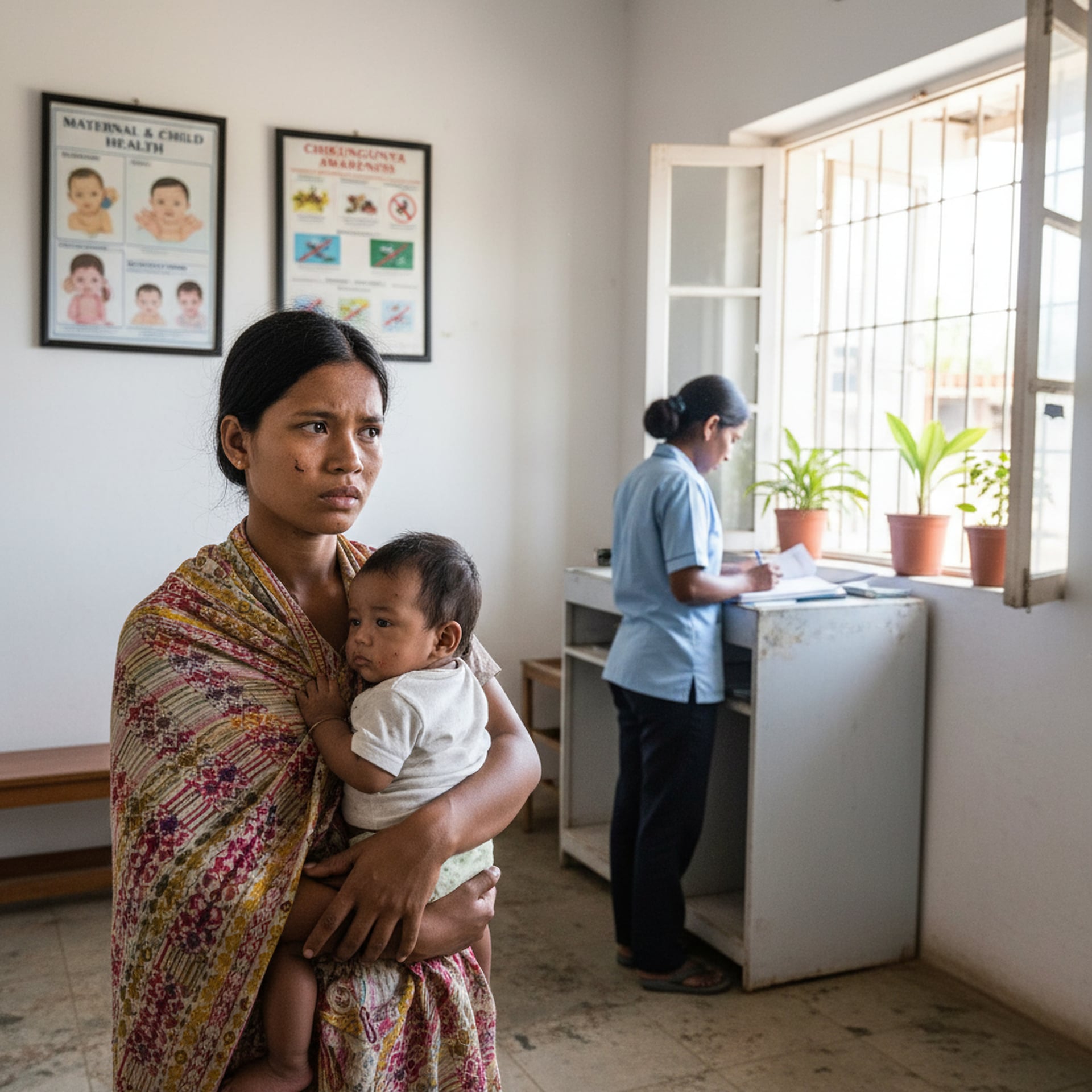
A landmark study published in Nature has cast a stark light on the long-term health implications for children exposed to the chikungunya virus while still in the womb. The comprehensive population-based research, leveraging linked routine data, provides compelling evidence that in-utero exposure to this mosquito-borne pathogen significantly increases the risk of both morbidity and mortality in affected children, extending well beyond the immediate neonatal period.
Chikungunya, a viral disease transmitted primarily by Aedes aegypti and Aedes albopictus mosquitoes, is characterized by sudden onset of fever and severe joint pain, often debilitating. While typically not fatal in adults, its rapid global spread and the increasing frequency of outbreaks in tropical and subtropical regions have raised significant public health concerns. Historically, attention has largely focused on acute symptoms and the chronic arthralgia that can persist for months or even years in adults. However, this new research pivots the focus towards a more vulnerable population: unborn children and their subsequent development.
Previous studies have hinted at the potential for vertical transmission of chikungunya from mother to fetus, particularly when the mother contracts the virus late in pregnancy, often around the time of delivery. Such cases have been associated with severe neonatal complications, including encephalitis, hemorrhage, and even death. What makes this latest Nature publication particularly significant is its large-scale, population-based approach. By analyzing extensive linked routine health data, researchers were able to track outcomes for a substantial cohort of children whose mothers were confirmed to have chikungunya during pregnancy, comparing them against unexposed controls. This methodology offers a robust statistical foundation, moving beyond anecdotal evidence or smaller, localized studies to provide a clearer, more comprehensive picture of the virus's long-term developmental impact.
The study's findings reveal a concerning pattern of elevated morbimortality among children exposed to chikungunya in utero. While the specific manifestations of morbidity can vary, they encompass a range of developmental challenges, neurological complications, and increased susceptibility to other health issues. This suggests that the virus, even if not causing overt symptoms at birth, may instigate subtle yet profound changes during fetal development that manifest as long-term health deficits. The increased mortality rates observed further underscore the severe, often irreversible, consequences of such early life exposure. These outcomes place a significant burden not only on affected children and their families but also on healthcare systems in regions already grappling with limited resources.
The mechanisms through which chikungunya might exert these long-term effects are complex and likely multifactorial. Direct viral invasion of fetal tissues, particularly the developing brain, is a primary concern. The virus's known tropism for muscle and joint tissues in adults suggests it could similarly impact developing musculoskeletal and neurological systems in a fetus. Furthermore, maternal infection can trigger a robust inflammatory response, and systemic inflammation during pregnancy is known to have adverse effects on fetal development, potentially leading to preterm birth, low birth weight, and impaired organ development. Placental dysfunction, caused by viral replication or immune responses, could also compromise nutrient and oxygen supply to the fetus, contributing to adverse outcomes.
The global health implications of these findings are profound. Chikungunya is endemic in many parts of Africa, Asia, and Latin America, and its geographic range continues to expand due to climate change, urbanization, and increased global travel. Millions of pregnancies occur annually in these regions, placing a vast number of unborn children at potential risk. The long-term health consequences identified in this study highlight a hidden epidemic within the broader chikungunya challenge, demanding a re-evaluation of public health strategies. It necessitates a shift from merely managing acute outbreaks to considering the intergenerational impact of the disease.
Addressing this challenge requires a multi-pronged approach. Firstly, enhanced surveillance systems are crucial to accurately track chikungunya incidence, especially among pregnant women. Early diagnosis and monitoring of pregnant women infected with chikungunya can allow for proactive management and potentially mitigate some risks. However, current diagnostic tools often face limitations in resource-constrained settings, and the asymptomatic nature of some infections means many cases in pregnant women may go undetected, leaving children vulnerable without early intervention.
Secondly, vector control remains the cornerstone of chikungunya prevention. Efforts to reduce mosquito populations through environmental management, insecticide application, and community engagement are vital. However, these methods alone are often insufficient to prevent widespread transmission during epidemics. The development and deployment of effective chikungunya vaccines, particularly those safe for use in pregnant women or women of childbearing age, represent a critical long-term solution. Several vaccine candidates are currently in various stages of development, offering hope for future prevention.
Beyond prevention, there is an urgent need for improved maternal and child health programs that integrate infectious disease screening and management. Healthcare providers in endemic areas must be educated on the risks of in-utero chikungunya exposure and equipped to identify and support affected children. Long-term follow-up studies are also essential to better understand the full spectrum of developmental challenges and to design targeted interventions, including early childhood development programs and rehabilitative therapies for children suffering from chronic conditions linked to in-utero exposure.
The socio-economic burden of these long-term health issues cannot be overstated. Families with children requiring specialized care face significant financial strain, often exacerbated by a lack of accessible healthcare infrastructure and social support systems. The educational attainment and future productivity of affected children can also be severely impacted, perpetuating cycles of poverty and disadvantage within communities. This underscores the need for a holistic response that considers not just medical interventions but also social and economic support for affected families.
Nivaran Foundation recognizes the critical importance of such research in shaping global health priorities. The findings from this Nature study serve as a powerful reminder of the interconnectedness of maternal health, child development, and infectious disease control. It reinforces the need for sustained investment in research, robust public health infrastructure, and equitable access to healthcare and education globally.
In conclusion, the groundbreaking insights from this population-based study compel the global health community to confront the silent burden of in-utero chikungunya exposure. By illuminating the profound and lasting impact on child morbimortality, the research calls for immediate and concerted action to protect the health and future of generations born in regions where chikungunya continues to pose a significant threat. The time for a comprehensive, global strategy to mitigate these devastating effects is now.
Support Nivaran Foundation's efforts to advance global health research and improve maternal and child health outcomes worldwide.
Talk to Nivaran Global