
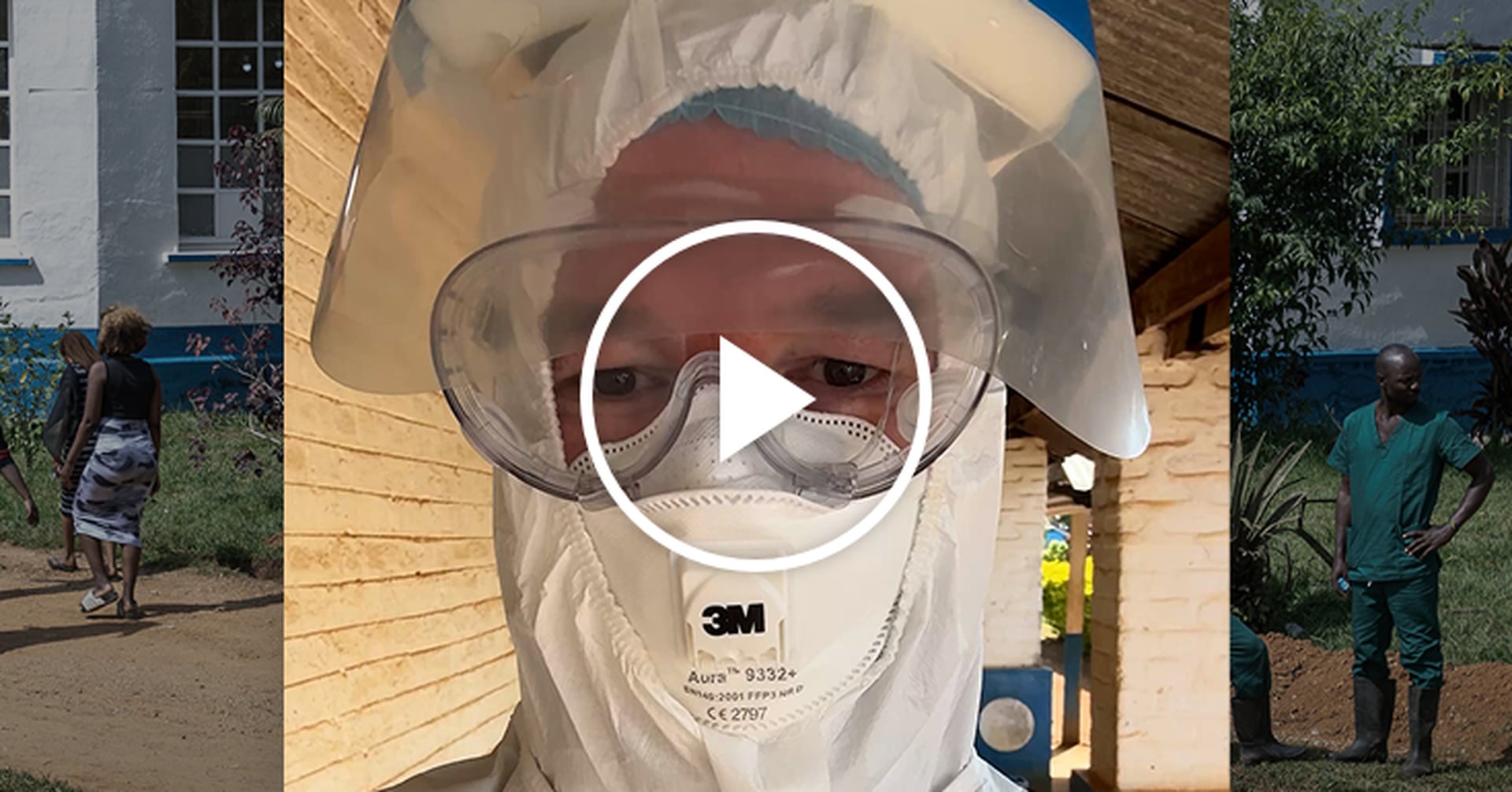
The global health landscape is perpetually challenged by outbreaks of infectious diseases, none perhaps as terrifying or as swift in its devastation as Ebola. In a recent report from an African region grappling with a spiraling outbreak, a chief correspondent offered a rare and sobering glimpse into the heart of the crisis: an Ebola treatment ward. This isn't merely a facility; it's a battleground where life and death hang in a delicate balance, where the courage of medical professionals confronts the relentless aggression of a virus, and where every patient represents a profound human story. Stepping into such a ward is an act of bearing witness to humanity's resilience and vulnerability in its most extreme forms.
Entering an Ebola ward is an immersion into a world defined by sterile necessity and pervasive fear. The air, heavy with disinfectant, is thick with unspoken anxieties. Healthcare workers move with a practiced, almost ritualistic precision, encased in layers of personal protective equipment (PPE) – thick hazmat suits, multiple gloves, face shields, and respirators – transforming them into anonymous, almost alien figures. Essential for protection, these suits create an immediate barrier, physical and emotional, between caregiver and patient. The heat inside them is oppressive, the visibility limited, and every movement becomes a deliberate, energy-sapping effort. Yet, through the fogged visors, one can discern an unwavering resolve, a commitment that transcends the immense personal risk. The ward itself is a study in stark functionality: rows of beds, IV drips, monitoring equipment, all designed for containment and critical care. No comforting adornments, no personal touches; every surface is easily sanitized, every object a potential vector. This clinical austerity underscores the gravity of the situation, a constant reminder of the invisible enemy lurking within.
Within these sterile confines, the true cost of the outbreak becomes agonizingly clear. Patients, from the very young to the elderly, lie in various stages of the disease. The sight of children, their small bodies ravaged by fever and weakness, is particularly heart-wrenching. Their innocence contrasts starkly with the brutal reality of their illness, their silent suffering a poignant reminder of the virus's indiscriminate nature. Adults, too, grapple with the profound physical and psychological toll. Some are lucid, their eyes reflecting a mix of fear, hope, and exhaustion; others are barely conscious, their fight for life unfolding in a silent, desperate struggle. Each patient represents a family torn apart, a community on edge, and a life hanging by a thread. The isolation, a necessary measure to prevent further transmission, adds another layer of suffering. Family members can only communicate from a distance, if at all, their anguish palpable even through the barriers of the ward. The emotional burden on isolated patients is immense, making the compassion of masked healthcare workers even more critical.
The reality of an Ebola ward is that not everyone survives. The correspondent's visit occurred shortly after a patient had succumbed to the disease, casting a somber pall over the facility. Death in an Ebola ward is a stark reminder of the virus's lethality and treatment challenges. The protocols for handling fatalities are rigorous, designed to prevent any further spread. The deceased are carefully prepared for burial, often by specialized teams, with strict adherence to safety measures. This process, while essential, denies families the traditional rituals of mourning, adding another layer of grief and trauma to an already devastated community. Each death reinforces the urgency, pushing healthcare workers to redouble efforts, even as they confront the emotional toll of losing a patient.
The individuals staffing these wards are global health's unsung heroes. Doctors, nurses, hygienists, and support staff work tirelessly, often for long, exhausting shifts, under extreme pressure. Their dedication is extraordinary, driven by a profound sense of duty and compassion. They face not only the constant threat of infection but also the emotional strain of witnessing immense suffering and loss daily. The physical demands of working in PPE for hours on end are immense, leading to dehydration, fatigue, and skin irritation. Yet, they persist, providing not just medical care but also comfort, hope, and a human connection in an environment designed for isolation. Their work extends beyond the clinical, often serving as the only link between patients and anxious families, offering updates and reassurance. Their resilience in the face of such adversity is a testament to the human spirit and a critical pillar in the global response to outbreaks.
A spiraling Ebola outbreak extends far beyond the walls of a treatment ward, casting a long shadow over entire communities. Fear and misinformation can spread as rapidly as the virus, leading to stigmatization, resistance to public health measures, and even violence against healthcare workers. Traditional burial practices, which often involve close contact with the deceased, pose significant challenges to containment efforts. Public health campaigns are vital, but their effectiveness can be hampered by distrust, cultural barriers, and the sheer speed of the virus's spread. The economic impact is devastating, disrupting trade and travel, costing livelihoods, and pushing fragile health systems to their breaking point. Schools may close, markets may empty, and the fabric of daily life is irrevocably altered. Effective containment requires a multi-faceted approach: rapid identification and isolation of cases, meticulous contact tracing, safe and dignified burials, robust community engagement, and widespread public education.
The Ebola outbreak in this African region serves as a stark reminder of the interconnectedness of global health. What begins as a localized epidemic can quickly become a global threat if not swiftly contained. The lessons learned from past outbreaks underscore the critical need for robust surveillance systems, rapid response capabilities, and sustained investment in health infrastructure in vulnerable regions. International cooperation is paramount, involving not just financial aid but also the sharing of expertise, resources, and research. Developing and deploying vaccines and therapeutics quickly is also a crucial component of the global health security agenda. Nivaran Foundation believes strengthening health systems worldwide, particularly in resource-limited settings, is not merely charity but a fundamental investment in collective security. Preventing future outbreaks and mitigating the impact of existing ones requires a coordinated, sustained, and equitable global effort.
The scenes witnessed inside the Ebola ward are a powerful testament to the ongoing struggle against infectious diseases. They reveal the profound courage of those on the frontlines, the heartbreaking vulnerability of patients, and the immense challenges that humanity faces in safeguarding public health. While the immediate focus remains on containing the current outbreak and saving lives, the broader implications demand our collective attention. It is a call to action for governments, humanitarian organizations, and individuals worldwide to support efforts that strengthen health systems, promote research, and ensure equitable access to life-saving interventions. Only through sustained commitment and collaborative action can we mitigate Ebola's devastating impact and build a more resilient global health future. The fight is far from over, but within the sterile walls of these wards, amidst the despair, there is also an enduring flicker of hope, fueled by unwavering dedication and the human will to survive.
Support Nivaran Foundation's vital work in global health crises and disease prevention by donating today.
Talk to Nivaran Global