
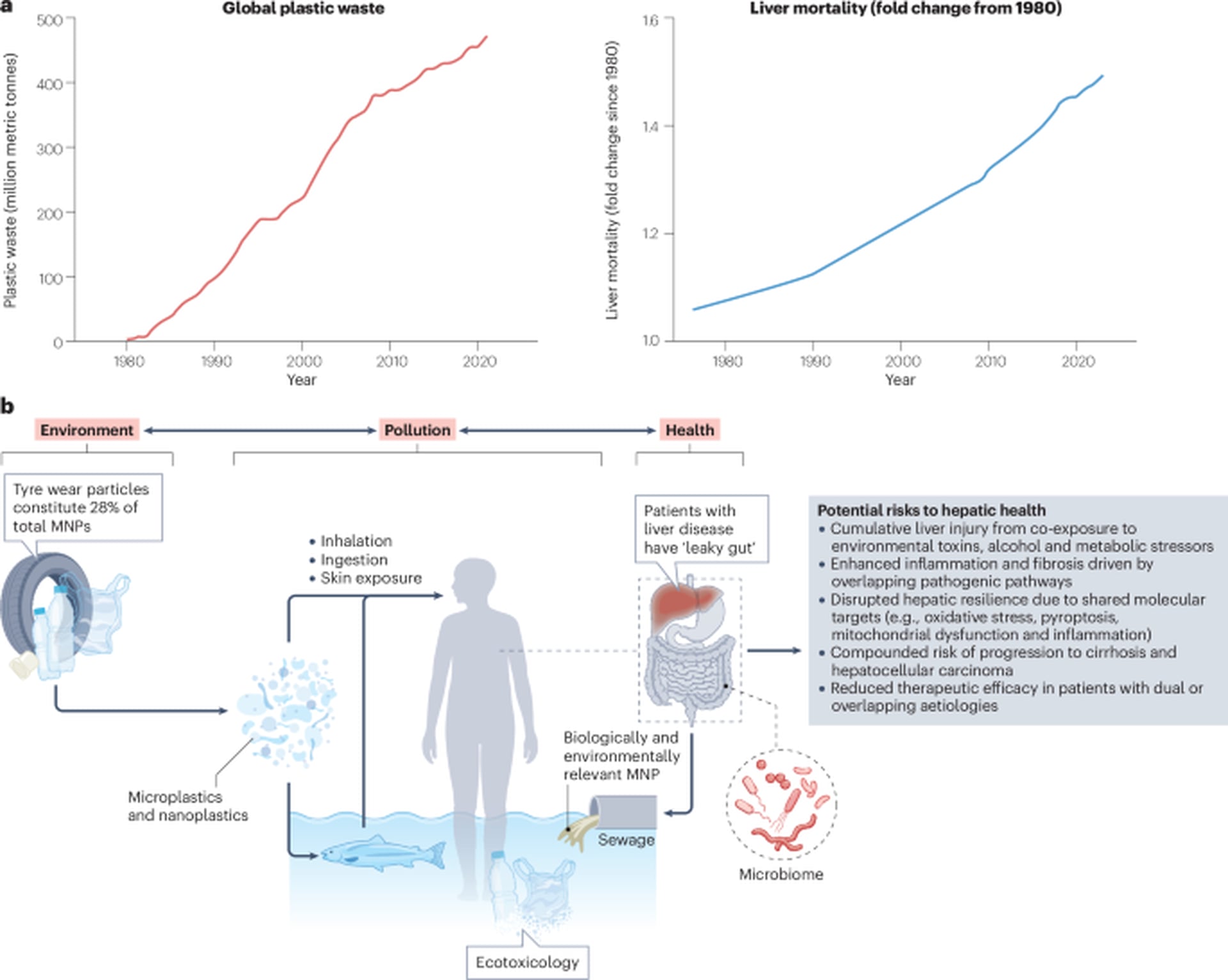
In an era defined by unprecedented technological advancement, humanity faces an insidious and pervasive threat that silently infiltrates every aspect of life: plastic pollution. Beyond the visible blight of discarded bottles and bags, a microscopic danger looms – microplastics (MPs) and nanoplastics (NPs). These minuscule fragments, often invisible to the naked eye, are now being recognized not just as an environmental catastrophe but as a burgeoning global health crisis, with emerging research pointing to their alarming role in the development and exacerbation of liver diseases worldwide.
The ubiquity of plastics in modern society has led to their inevitable breakdown into smaller and smaller particles. Microplastics, generally defined as plastic pieces less than 5 millimeters in size, and nanoplastics, even smaller at less than 1 micrometer, are now found in virtually every corner of the planet. From the deepest oceans to the highest mountains, from the air we breathe to the food we eat and the water we drink, these particles have permeated ecosystems globally. Their origins are diverse, stemming from the degradation of larger plastic items, industrial waste, synthetic textiles, and even personal care products containing microbeads. This pervasive presence means human exposure is not a matter of if, but when and how much.
Human exposure pathways are manifold. Ingestion is a primary route, occurring through contaminated seafood, bottled water, and even tap water. Airborne microplastics are readily inhaled, particularly in urban and industrial areas, making respiratory exposure a significant concern. Dermal contact, though less studied for systemic effects, also contributes to the overall burden. Once inside the body, the microscopic size of MPs and especially NPs allows them to bypass conventional biological barriers that larger particles cannot. This enables them to traverse the gut lining, enter the bloodstream, and potentially cross other protective membranes, leading to systemic distribution and accumulation in various organs.
The liver, a vital organ responsible for detoxification, metabolism, and nutrient processing, stands as a particularly vulnerable target. As the body's primary filter for substances absorbed from the digestive tract, the liver is constantly exposed to a myriad of compounds, including environmental toxins. When microplastics and nanoplastics are ingested, they are transported via the portal vein directly to the liver, making it a key site for their accumulation and potential interaction with cellular machinery. This anatomical and physiological reality places the liver at the forefront of organs susceptible to plastic-induced damage.
Emerging scientific investigations, predominantly from in vitro studies and animal models, are beginning to unravel the complex mechanisms by which these plastic particles exert their detrimental effects on liver health. One of the most consistently observed impacts is the induction of chronic inflammation. When MPs and NPs are recognized as foreign bodies by the immune system, they can trigger a persistent inflammatory response within the liver. This chronic inflammation is a well-established precursor to a spectrum of liver diseases, including non-alcoholic fatty liver disease (NAFLD), non-alcoholic steatohepatitis (NASH), and ultimately, fibrosis and cirrhosis.
Beyond inflammation, microplastics and nanoplastics are implicated in inducing oxidative stress. These particles can stimulate the production of reactive oxygen species (ROS) within liver cells, leading to an imbalance between free radical generation and the body's antioxidant defenses. This oxidative stress damages cellular components, including DNA, proteins, and lipids, impairing normal liver function and contributing to cellular injury and death. Such damage can accelerate the progression of existing liver conditions or initiate new pathological processes.
Furthermore, there is growing evidence that plastic particles can directly interfere with the liver's metabolic functions. Studies suggest that MPs and NPs may disrupt lipid metabolism, leading to the accumulation of fat in liver cells – a hallmark of NAFLD. They might also interfere with glucose regulation, potentially exacerbating metabolic syndrome, a cluster of conditions that significantly increases the risk of liver disease. The chemical additives often present in plastics, such as phthalates and bisphenols, which are known endocrine disruptors, further complicate this picture, potentially leaching from the plastic particles and exerting their own toxic effects on the liver and other organs.
The challenges in understanding the full scope of this threat are considerable. The sheer diversity of plastic particles – varying in size, shape, chemical composition, and surface modifications – makes it difficult to establish consistent toxicological profiles. Moreover, human exposure is often chronic and involves a complex mixture of different plastic types and other environmental pollutants, making it challenging to isolate the specific effects of MPs and NPs. Long-term epidemiological studies in human populations are urgently needed to complement the mechanistic insights gained from laboratory research and to establish definitive causal links between plastic exposure and liver disease prevalence.
From a global health perspective, the implications are profound. Liver diseases, including NAFLD and NASH, are already a major public health burden worldwide, contributing significantly to morbidity and mortality. If microplastics and nanoplastics are indeed significant contributors to these conditions, then the global plastic pollution crisis takes on an even more urgent dimension. This is not a localized problem; it affects populations across all continents, regardless of socioeconomic status, given the ubiquitous nature of plastic contamination.
Addressing this emerging health concern requires a multi-faceted global strategy. At the forefront must be a drastic reduction in plastic production and consumption, coupled with robust improvements in waste management infrastructure worldwide. Developing and implementing truly biodegradable and non-toxic alternatives to conventional plastics is paramount. Public awareness campaigns are crucial to inform individuals about the risks and empower them to make more sustainable choices. Simultaneously, international collaboration among scientists, policymakers, and public health organizations is essential to fund further research, establish standardized monitoring protocols for plastic particles in the environment and human tissues, and develop evidence-based interventions.
The scientific community's growing understanding of the link between microplastics, nanoplastics, and liver disease serves as a stark reminder of the interconnectedness of environmental health and human well-being. The invisible threat posed by these pervasive particles demands immediate and concerted global action. Failure to address this challenge risks an escalating worldwide burden of liver ailments, adding another critical layer to the already complex tapestry of global health crises. The time to act, both individually and collectively, to safeguard our planet and our health, is now.
Support Nivaran Foundation's critical work in uncovering and addressing global health challenges like the impact of environmental pollutants on human well-being.
Talk to Nivaran Global