
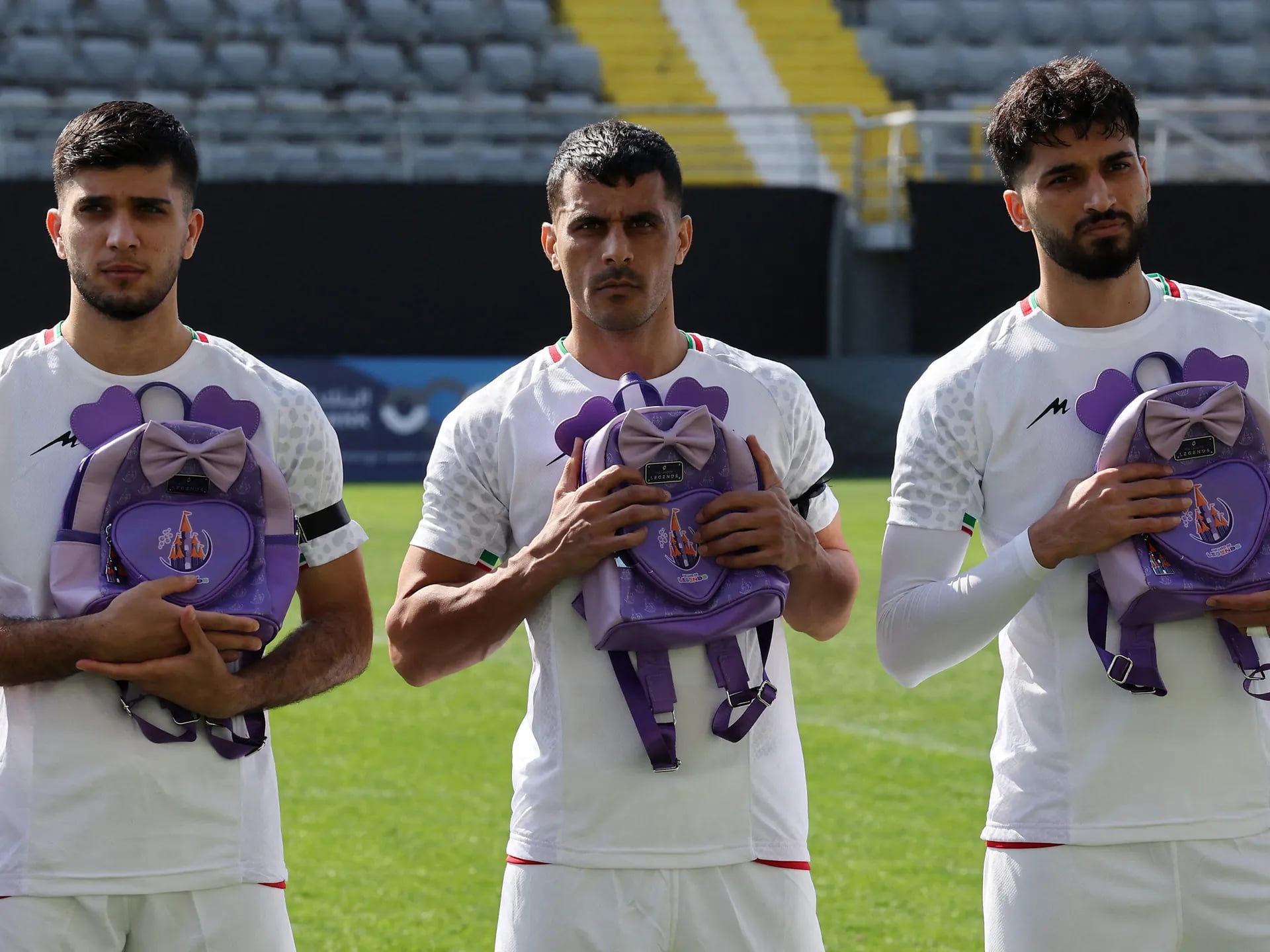
In a moment of profound global solidarity and poignant remembrance, the Iran national football team took to the pitch for their first international fixture since the onset of the devastating Middle East conflict, dedicating their performance to the innocent victims of a school strike. The match, a 2-1 defeat against Nigeria, transcended mere sporting competition, transforming into a powerful platform for humanitarian advocacy and a stark reminder of the escalating human cost of regional tensions, particularly on the most vulnerable: children and their right to education.
The gesture by the Iranian squad, observed by millions worldwide, served as a solemn acknowledgment of the profound suffering inflicted upon communities caught in the throes of armed conflict. It highlighted the tragic reality that educational institutions, once sanctuaries of learning and growth, have increasingly become targets or collateral damage in modern warfare. The specific tribute to victims of a school strike underscores a grim pattern where the pursuit of knowledge is violently interrupted, and the future prospects of an entire generation are jeopardized. This act of remembrance by athletes on a global stage brings into sharp focus the urgent need for international protection of schools and the unwavering commitment to safeguarding children's access to education, even amidst the most brutal hostilities.
Armed conflicts, wherever they erupt, invariably leave a trail of destruction that extends far beyond immediate casualties and infrastructure damage. One of the most insidious and long-lasting impacts is the systematic dismantling of educational systems. Schools are bombed, occupied, or repurposed for military use, rendering them inaccessible or unsafe for students and teachers. The psychological toll on children who witness such violence, or are forced to flee their homes, is immeasurable. Displaced children often face insurmountable barriers to continuing their schooling, leading to significant learning gaps, increased vulnerability to exploitation, and a profound sense of instability that can scar them for life. The tribute by the Iranian footballers is a powerful call to attention, urging the global community to recognize and address this silent crisis that threatens to create a lost generation.
The disruption of education in conflict zones is not merely a temporary setback; it has profound and enduring consequences for societal development. When children are deprived of schooling, they lose not only academic knowledge but also the critical social and emotional development fostered by a stable learning environment. This deprivation can exacerbate cycles of poverty, instability, and violence, making post-conflict recovery significantly more challenging. Education is a cornerstone of peacebuilding and resilience, equipping individuals with the skills to rebuild their lives and contribute to a more stable future. By drawing attention to the victims of a school strike, the Iranian team implicitly underscored the vital role of education as a protective factor and a pathway to lasting peace, a message that resonates deeply with Nivaran Foundation's global mission.
Beyond the physical destruction of schools, the human element of the education crisis in conflict zones is equally devastating. Teachers, often underpaid and facing immense personal risks, struggle to maintain a semblance of normalcy for their students. Many are forced to flee, leaving behind communities without qualified educators. Students, traumatized by violence and displacement, find it difficult to concentrate, learn, and envision a future beyond the immediate conflict. The collective trauma experienced by an entire generation can manifest in various forms, from increased mental health issues to a heightened susceptibility to radicalization, further perpetuating cycles of violence. The footballers' tribute serves as a poignant reminder that these are not abstract statistics but real lives, real children, and real futures hanging in the balance.
The power of sports to transcend political divides and amplify humanitarian messages was vividly demonstrated by this act of remembrance. In a world often fractured by geopolitical tensions, the universal language of football provided a unique platform for empathy and advocacy. When athletes, who are often seen as national symbols, take a stand on humanitarian issues, their message carries significant weight, reaching audiences that might otherwise remain disengaged. This particular tribute highlights the growing trend of sports figures using their influence to advocate for peace, human rights, and the protection of vulnerable populations, thereby reinforcing the idea that global citizenship extends beyond national borders and political affiliations.
Nivaran Foundation recognizes that safeguarding education in emergencies is not just a humanitarian imperative but also a strategic investment in future stability and development. Our work globally focuses on ensuring that children in crisis-affected regions have access to safe, quality learning environments, providing psychosocial support, and advocating for the protection of educational facilities and personnel. The tribute by the Iranian football team serves as a powerful validation of these efforts, reminding the world that the right to education is fundamental and must be upheld, even in the darkest of times. It underscores the urgent need for robust international frameworks and increased funding to support educational continuity in conflict zones, preventing further generations from being lost to the ravages of war.
The Middle East conflict, like many others globally, has created an unprecedented humanitarian crisis, with millions displaced and countless lives irrevocably altered. The specific targeting or incidental destruction of schools, as tragically highlighted by the school strike, represents an attack on the very fabric of society and its future. It is a direct assault on the aspirations of children and the foundational principles of human development. The international community has a moral and legal obligation to protect these vital spaces and ensure that education remains a beacon of hope amidst despair. This includes advocating for an end to hostilities, ensuring safe passage for humanitarian aid, and implementing long-term recovery programs that prioritize the rebuilding of educational infrastructure and the restoration of learning opportunities.
The Iranian team's gesture should serve as a catalyst for renewed global attention and concerted action. It is a call for all stakeholders – governments, international organizations, civil society, and individuals – to redouble their efforts in protecting education from the ravages of war. This protection extends beyond physical security to include the provision of educational materials, teacher training, and psychosocial support for students grappling with trauma. The long-term consequences of neglecting education in conflict zones are too dire to ignore, potentially leading to increased illiteracy, unemployment, and social unrest, thereby perpetuating cycles of violence for decades to come.
In conclusion, the powerful tribute paid by the Iran national football team to the victims of a school strike at the outset of the Middle East conflict transcends the boundaries of sport. It stands as a profound statement on the devastating impact of war on education and the urgent need to protect children's right to learn. This act of remembrance serves as a global clarion call, urging the international community to prioritize the safety and continuity of education in all conflict-affected regions. As the world grapples with escalating humanitarian crises, the message from the football pitch is clear: the future of humanity rests on the education of its children, and this future must be safeguarded at all costs. The Nivaran Foundation stands in solidarity with all those working to ensure that every child, regardless of their circumstances, has the opportunity to learn and thrive, free from the shadow of conflict.
Support Nivaran Foundation's efforts to protect education and ensure the well-being of children in conflict zones worldwide.
Talk to Nivaran Global