
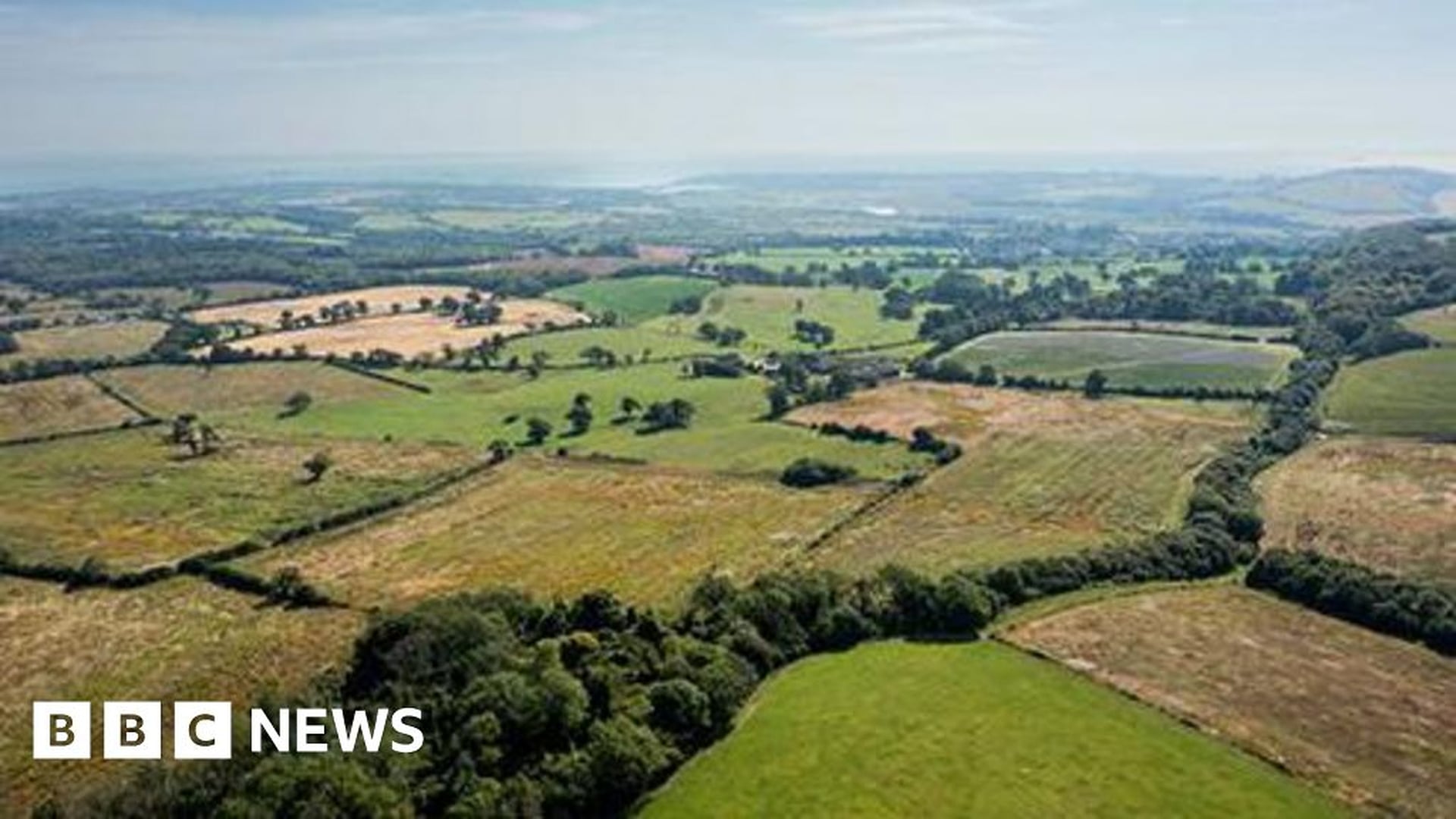
In an increasingly interconnected world grappling with complex health challenges, researchers have turned their attention to a seemingly idyllic corner of the globe: the Isle of Wight. A new, ambitious study is underway, aiming to meticulously dissect the unique confluence of factors on this British island that contribute to its inhabitants' enhanced sense of well-being and overall health. This initiative, while focused on a specific locale, carries profound global implications, seeking to unravel the environmental and social blueprints that could inform public health strategies far beyond its shores.
The core objective of the research team is to move beyond anecdotal observations and scientifically pinpoint what precisely it is about the Isle of Wight that fosters a healthier, more contented population. This inquiry delves into a fascinating intersection of geography, lifestyle, community dynamics, and environmental quality. The findings could offer invaluable insights into how human habitats can be designed or nurtured to promote longevity, reduce chronic disease, and improve mental health across diverse populations worldwide.
For centuries, the notion that certain environments possess inherent healing or health-promoting qualities has permeated human culture. From ancient sanatoriums nestled in mountain air to modern wellness retreats by the sea, the belief in 'place-based health' is deeply ingrained. However, scientific rigor is now being applied to systematically understand these phenomena. The Isle of Wight study represents a significant step in this direction, moving beyond correlation to explore potential causation and underlying mechanisms.
One of the primary areas of investigation revolves around the island's natural environment. As an island community, residents are inherently surrounded by 'blue spaces' – the sea, coastlines, and marine environments. Extensive research globally has indicated that proximity to blue spaces can significantly reduce stress, improve mood, and encourage physical activity. The rhythmic sounds of waves, the expansive views, and the perceived freshness of sea air are all thought to contribute to psychological restoration. Furthermore, the Isle of Wight boasts abundant 'green spaces' – woodlands, fields, and parks – which are equally recognized for their positive impact on mental and physical health, from reducing cortisol levels to fostering social interaction.
Beyond the visual and auditory stimuli, the quality of the air itself is a crucial factor. Island environments, often less industrialized and exposed to prevailing winds, typically benefit from cleaner air compared to densely populated urban centers. Reduced exposure to air pollutants, a known contributor to respiratory and cardiovascular diseases, could play a substantial role in the islanders' health profile. The interplay of natural light exposure, crucial for regulating circadian rhythms and vitamin D synthesis, is another environmental variable under scrutiny.
Lifestyle factors are equally central to the investigation. Island life often conjures images of a slower pace, reduced daily stressors, and a stronger sense of community. The research will likely examine patterns of physical activity, which might be higher due to greater access to outdoor recreational opportunities like walking, cycling, and water sports. Dietary habits could also be a key differentiator; access to fresh, locally sourced produce and seafood, combined with traditional cooking methods, might contribute to a healthier nutritional intake compared to more urbanized areas.
The social fabric of the Isle of Wight community is another critical element. Smaller, more cohesive communities often exhibit higher levels of social capital, characterized by strong social networks, mutual support, and a sense of belonging. These factors are powerful determinants of health, offering buffers against stress, loneliness, and mental health challenges. The study will likely explore how community engagement, intergenerational relationships, and local support systems contribute to the overall resilience and well-being of the island's residents.
Drawing parallels with internationally recognized 'Blue Zones' – regions where people live measurably longer and healthier lives – the Isle of Wight study stands to contribute to a growing body of knowledge. Blue Zones like Okinawa (Japan), Sardinia (Italy), Nicoya (Costa Rica), Ikaria (Greece), and Loma Linda (USA) share common denominators: natural movement, a plant-heavy diet, strong social connections, a sense of purpose, and effective stress management. While the Isle of Wight may not yet be classified as a Blue Zone, the research aims to identify if similar underlying principles are at play, offering a blueprint for other communities aspiring to enhance their residents' health outcomes.
The methodology for such a comprehensive study typically involves a multi-faceted approach. Researchers would likely employ epidemiological studies, analyzing health data, mortality rates, and prevalence of chronic diseases among the island's population. This would be complemented by qualitative research, including surveys, interviews, and focus groups, to gather insights into residents' perceptions of their environment, lifestyle choices, and social experiences. Physiological markers, such as stress hormones or inflammatory indicators, might also be measured to provide objective data on health status.
The global implications of this research are substantial. If specific, replicable factors are identified on the Isle of Wight, these findings could inform urban planning, public health policy, and community development initiatives worldwide. Imagine cities designed with enhanced access to green and blue spaces, policies promoting local food systems, or community programs fostering social cohesion – all inspired by lessons learned from an island. The study could provide evidence-based recommendations for creating healthier environments, mitigating the impact of modern stressors, and promoting preventative health at a societal level.
However, it is crucial to acknowledge the complexity of such research. Health outcomes are rarely attributable to a single factor; rather, they emerge from an intricate interplay of genetic predispositions, individual choices, socio-economic conditions, and environmental influences. The Isle of Wight study will need to carefully disentangle these variables to provide robust and actionable insights. Correlation does not equate to causation, and rigorous statistical analysis will be essential to identify genuine drivers of health and well-being.
Ultimately, the Isle of Wight research project is more than just an academic exercise; it is a quest to understand the fundamental elements that allow human beings to thrive. For organizations like the Nivaran Foundation, dedicated to advancing global health and education, such studies are vital. They illuminate pathways to creating healthier, more resilient communities, offering hope and practical strategies for a world striving for enhanced well-being for all its inhabitants. The island, once a quiet retreat, may soon become a beacon of knowledge, guiding global efforts to cultivate environments where people not only live longer but live better.
Support Nivaran Foundation's commitment to advancing global health knowledge and promoting well-being for all through impactful research and reporting.
Talk to Nivaran Global