
The global health community is once again reminded of the persistent threat posed by infectious diseases following a tragic meningitis outbreak in Kent, United Kingdom. The recent confirmation of a second fatality, a sixth-form student identified as Juliette, has sent shockwaves through local communities and prompted an urgent, large-scale public health intervention. This devastating development underscores the critical importance of rapid response mechanisms and comprehensive public health education in safeguarding populations, particularly vulnerable student demographics.
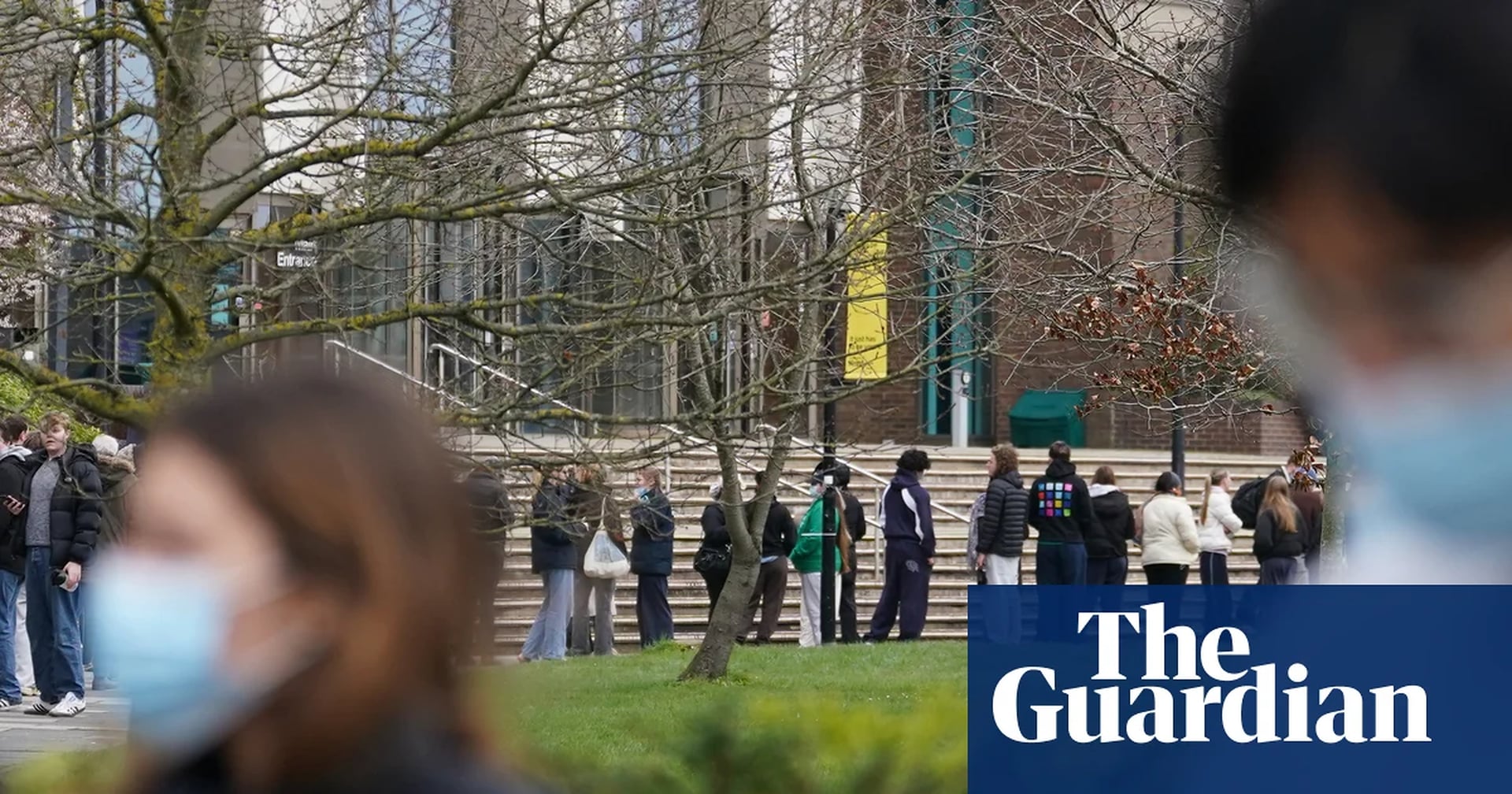
Juliette, described by her teachers at Queen Elizabeth’s Grammar School (QEGS) in Faversham as a kind and intelligent young woman, is the second individual to succumb to the aggressive bacterial infection. Her passing has cast a pall over the educational institutions in the region, leading to an immediate and robust mobilization of health services. Reports indicate long queues of students forming at the University of Kent, eager to receive prophylactic antibiotics, a testament to the community's heightened awareness and the swift action taken by health authorities to contain the spread.
Meningitis, an inflammation of the membranes surrounding the brain and spinal cord, can be caused by various pathogens, including bacteria, viruses, and fungi. Bacterial meningitis, the more severe form, is a medical emergency that can lead to life-threatening complications such as brain damage, hearing loss, or limb amputation, even with prompt treatment. Its rapid onset and non-specific initial symptoms, which often mimic common illnesses like the flu, make early diagnosis challenging yet crucial. Symptoms typically include a sudden high fever, stiff neck, severe headache, confusion, sensitivity to light, and a skin rash in some cases. The rapid progression of the disease necessitates immediate medical attention, as delays can dramatically worsen outcomes.
The transmission of bacterial meningitis primarily occurs through respiratory droplets from close contact with an infected person, such as coughing, sneezing, kissing, or sharing eating utensils. This mode of transmission makes crowded environments, like schools, universities, and dormitories, particularly susceptible to outbreaks. The close living quarters and social interactions inherent in student life can inadvertently facilitate the quick dissemination of the bacteria, turning a localized infection into a wider public health crisis in a short span. Understanding these transmission pathways is fundamental to implementing effective containment strategies, including contact tracing and targeted antibiotic distribution, as observed in Kent.
Public health officials in Kent have moved swiftly to implement a multi-pronged strategy aimed at mitigating the outbreak. This includes widespread communication campaigns to inform the public about symptoms and preventive measures, the distribution of antibiotics to close contacts of confirmed cases, and potentially enhanced vaccination efforts. The sight of students lining up for antibiotics highlights the proactive approach taken to protect the wider student body and prevent further spread. Such rapid deployment of resources is critical in managing infectious disease outbreaks, particularly those with high mortality rates if left untreated. The swift action not only aims to treat potential infections but also to prevent the bacteria from colonizing individuals, thereby reducing the pool of potential carriers.
The tragic events in Kent serve as a stark reminder of the global burden of meningitis and the continuous need for vigilance and robust public health infrastructure. While outbreaks in highly developed nations like the UK often trigger rapid and well-resourced responses, many parts of the world, particularly in low-income settings, face immense challenges in detecting, diagnosing, and treating meningitis effectively. The "meningitis belt" in sub-Saharan Africa, for instance, experiences recurrent epidemics of bacterial meningitis, particularly during the dry season, due to a combination of environmental factors, population movements, and limited access to healthcare and vaccines. Global health organizations like the World Health Organization (WHO) have long advocated for universal access to meningitis vaccines and improved surveillance systems to combat the disease globally.
Educational institutions worldwide bear a significant responsibility in protecting their student populations from infectious diseases. This responsibility extends beyond immediate crisis management to include proactive measures such as promoting vaccination, educating students about hygiene practices, and establishing clear protocols for reporting illness. Universities and schools often serve as melting pots for individuals from diverse backgrounds, making them unique environments for disease transmission. Therefore, comprehensive health policies, including mandatory vaccination requirements for certain diseases or strong recommendations, play a pivotal role in creating healthier learning environments. The psychological impact of such outbreaks on students, staff, and families cannot be underestimated, necessitating mental health support alongside medical interventions. The fear, anxiety, and grief experienced by a community grappling with a sudden loss due to an infectious disease require compassionate and holistic responses.
Beyond the immediate crisis, the Kent outbreak prompts a broader reflection on global health security. Infectious diseases do not respect borders, and a localized outbreak can quickly become a concern for international travelers and communities. This interconnectedness necessitates a collaborative global approach to disease surveillance, research, and vaccine development. Investments in public health infrastructure, including laboratories capable of rapid pathogen identification and well-trained healthcare workforces, are essential for early detection and effective response. Furthermore, sustained funding for research into new vaccines and treatments remains critical, especially as pathogens evolve and antibiotic resistance becomes a growing concern.
The global fight against meningitis has seen significant progress, particularly with the development and widespread deployment of effective vaccines against several types of bacterial meningitis, such as meningococcal, pneumococcal, and Hib vaccines. These vaccines have dramatically reduced the incidence of the disease in many regions. However, vaccine coverage remains uneven globally, and new strains or serotypes can emerge, posing ongoing challenges. Public health campaigns aimed at increasing vaccine uptake and dispelling misinformation are vital components of a comprehensive prevention strategy. The Kent situation highlights that even in well-resourced countries, vigilance cannot waver, and continuous efforts are needed to ensure high vaccination rates and public awareness.
In conclusion, the tragic loss of Juliette and another individual in the Kent meningitis outbreak serves as a poignant reminder of the fragility of health and the relentless threat of infectious diseases. It underscores the profound importance of robust public health systems, rapid response capabilities, and sustained global collaboration in disease prevention and control. As communities mourn and health authorities work tirelessly to contain the spread, this incident reinforces the universal lesson that proactive measures, comprehensive education, and accessible healthcare are indispensable pillars of global health security, ensuring the well-being of all populations, particularly our youth in educational settings worldwide. The global community must continue to invest in these areas, learning from each outbreak to strengthen our collective resilience against future health challenges.
Support Nivaran Foundation's global initiatives to strengthen public health systems and education worldwide.
Talk to Nivaran Global