
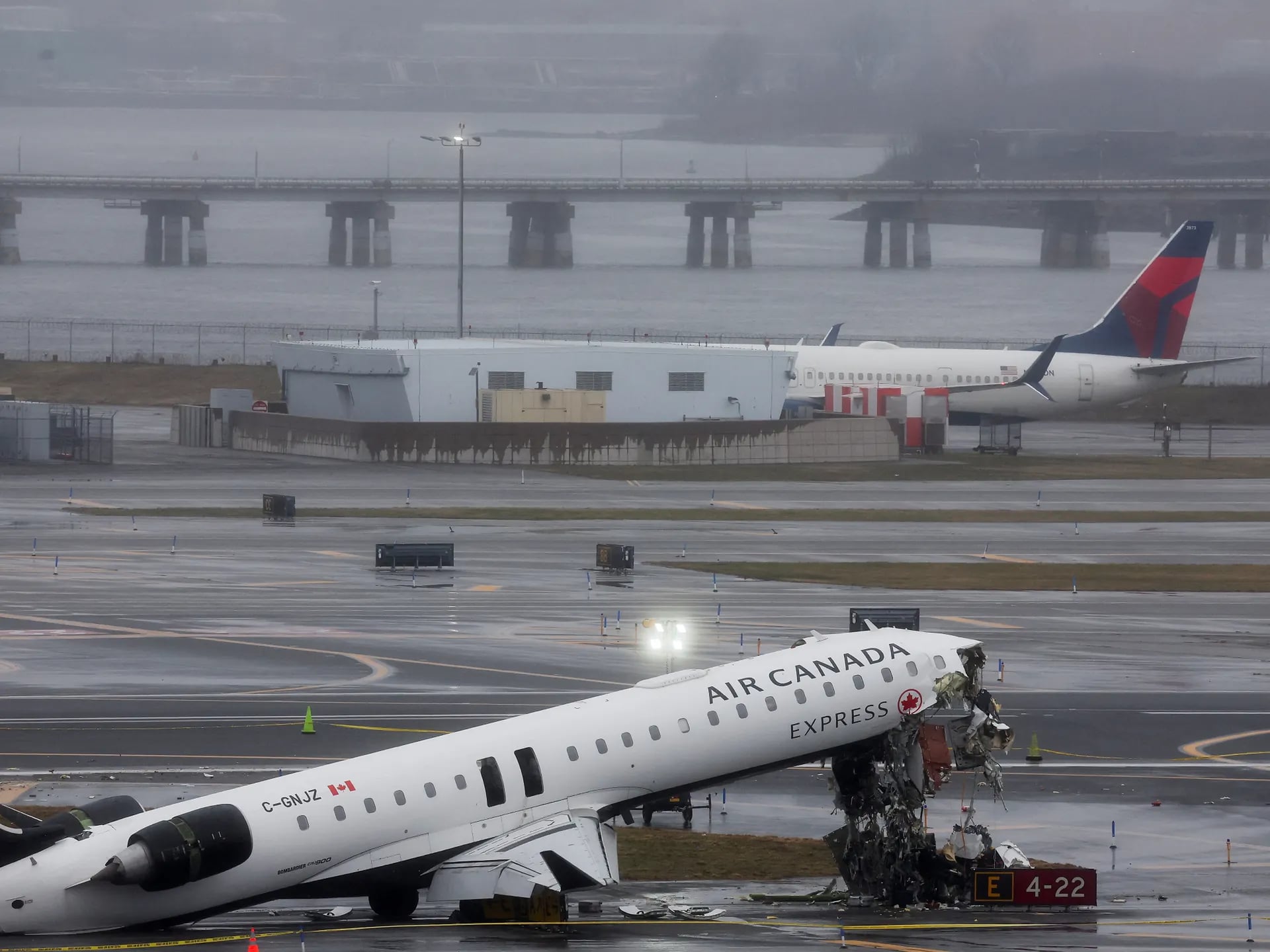
The recent aviation incident involving an Air Canada flight at LaGuardia Airport has once again brought into sharp focus the intricate complexities of emergency response and the profound human cost of such tragedies. While investigations are underway to determine the precise sequence of events that led to the crash, resulting in the loss of the pilot and co-pilot and injuries to 41 passengers and two firefighters, the immediate aftermath serves as a critical case study for global health and emergency management systems. This incident, occurring at a major international travel hub, underscores the universal challenges faced by communities worldwide when confronted with sudden, large-scale medical emergencies. It highlights the indispensable role of highly coordinated efforts, robust medical infrastructure, and comprehensive psychological support mechanisms in mitigating suffering and facilitating recovery in the wake of disaster. The global community watches closely, not only for the findings of the accident investigation but also for the lessons that can be gleaned regarding preparedness, immediate care, and long-term rehabilitation strategies for such mass casualty events.
The scene at LaGuardia Airport immediately following the crash was one of intense activity and urgent coordination. Emergency services, including the Port Authority Police Department, New York City Fire Department (FDNY), and various medical teams, rapidly converged on the site. The nature of an aircraft crash often results in a wide spectrum of injuries, from severe trauma requiring immediate surgical intervention to burns, fractures, and internal injuries. For the 41 passengers involved, the journey from the wreckage to definitive medical care was a critical race against time. The fact that two firefighters were also among the injured underscores the inherent dangers faced by first responders, who selflessly put themselves in harm's way to save lives. Their injuries, sustained during the perilous rescue operations, highlight the physical demands and risks associated with managing such a volatile and chaotic environment. The initial moments of any mass casualty incident are crucial, dictating the immediate survival rates and setting the stage for subsequent medical outcomes. This phase relies heavily on the rapid assessment of the situation, effective triage, and the swift evacuation of the injured to appropriate medical facilities, all under immense pressure.
The mobilization of healthcare resources in New York City following the LaGuardia incident exemplified a well-practiced, albeit severely tested, system. Multiple hospitals across the metropolitan area were alerted and prepared to receive the influx of patients. This multi-hospital response is a cornerstone of mass casualty incident (MCI) management, ensuring that no single facility is overwhelmed and that specialized care can be distributed efficiently. Patients were triaged at the scene and then transported based on the severity of their injuries, a process that requires seamless communication between on-site medical personnel and receiving hospitals. The types of medical care provided ranged from emergency surgery for life-threatening conditions to orthopedic interventions for fractures, wound management, and critical care for those in stable but serious conditions. Beyond the immediate physical trauma, the incident placed a significant strain on emergency departments, operating theaters, and intensive care units. It also necessitated the activation of hospital disaster plans, involving the reallocation of staff, resources, and even the postponement of elective procedures to accommodate the sudden demand. Such an event serves as a stark reminder of the fragility of even advanced healthcare systems when faced with an unexpected surge of critically injured individuals, emphasizing the continuous need for investment in infrastructure, training, and surge capacity planning globally.
Beyond the visible physical injuries, the LaGuardia crash inflicted profound psychological trauma on survivors, first responders, and the broader community. The experience of an aircraft crash is inherently terrifying, leading to acute stress reactions, anxiety, and in many cases, post-traumatic stress disorder (PTSD). Passengers who survived, even those with minor physical injuries, will likely grapple with the emotional scars for months or even years. The psychological impact extends to the families of the victims, who endure immense grief, uncertainty, and the emotional burden of supporting their loved ones through recovery. First responders, who witness harrowing scenes and perform life-saving actions under extreme duress, are also highly susceptible to psychological distress. Firefighters, paramedics, and police officers involved in such incidents often require critical incident stress debriefing and ongoing mental health support to process their experiences and prevent long-term psychological harm. Recognizing and addressing these 'invisible wounds' is a crucial component of comprehensive disaster response. Global health frameworks increasingly emphasize the integration of mental health services into emergency preparedness and recovery plans, ensuring that psychological first aid and long-term counseling are readily available. This holistic approach acknowledges that true recovery encompasses both physical healing and mental well-being, a lesson that resonates across all cultures and healthcare systems worldwide.
Incidents like the Air Canada crash, while tragic, invariably serve as catalysts for re-evaluating and strengthening global aviation safety protocols and emergency preparedness. Every such event prompts meticulous investigations by international bodies, leading to recommendations that often influence airline operations, aircraft design, and airport safety measures worldwide. From a health perspective, these investigations also scrutinize the effectiveness of emergency exits, cabin safety features, and the immediate medical response capabilities of flight crews. Globally, airports and airlines regularly conduct drills and simulations to test their readiness for various emergency scenarios, including mass casualty incidents. These exercises are vital for identifying gaps in communication, coordination, and resource allocation. The lessons learned from the LaGuardia incident will undoubtedly contribute to the refinement of these global best practices, emphasizing the importance of inter-agency cooperation, standardized training for emergency personnel, and the continuous adaptation to evolving threats and technologies. Ensuring the safety of air travel is a collective global responsibility, requiring constant vigilance, technological advancement, and a steadfast commitment to learning from every incident to prevent future harm.
The journey for survivors of a major incident like the LaGuardia crash extends far beyond the initial hospital stay. Long-term recovery often involves extensive physical rehabilitation, ongoing medical care for chronic conditions, and sustained psychological support. This phase requires a robust network of social services, community support, and potentially legal and financial assistance to help victims and their families rebuild their lives. For those who have suffered life-altering injuries, adapting to new realities can be a profound challenge, necessitating access to assistive technologies, vocational training, and supportive living environments. The global health community recognizes that effective disaster response must encompass this entire continuum of care, from immediate rescue to long-term societal reintegration. Foundations and non-governmental organizations often play a crucial role in filling gaps in governmental support, providing resources for rehabilitation, counseling, and advocacy for victims' rights. The commitment to holistic recovery underscores a fundamental principle: that societies have a moral obligation to support those affected by tragedy, ensuring they have every opportunity to heal and thrive in the aftermath.
The Air Canada crash at LaGuardia Airport is a poignant reminder of the unpredictable nature of emergencies and the critical importance of human preparedness and resilience. While the immediate focus remains on the recovery of the injured and the investigation into the cause, the incident offers invaluable insights for global health and emergency management. It reinforces the necessity of seamless coordination among first responders, the critical role of well-equipped healthcare systems, and the indispensable provision of comprehensive psychological support. As communities worldwide strive for greater safety and preparedness, the lessons from LaGuardia will undoubtedly contribute to stronger, more responsive systems, ultimately enhancing our collective ability to mitigate the impact of future crises and support those most affected.
Support Nivaran Foundation's global initiatives to strengthen health infrastructure and emergency medical training in vulnerable communities worldwide.
Talk to Nivaran Global