
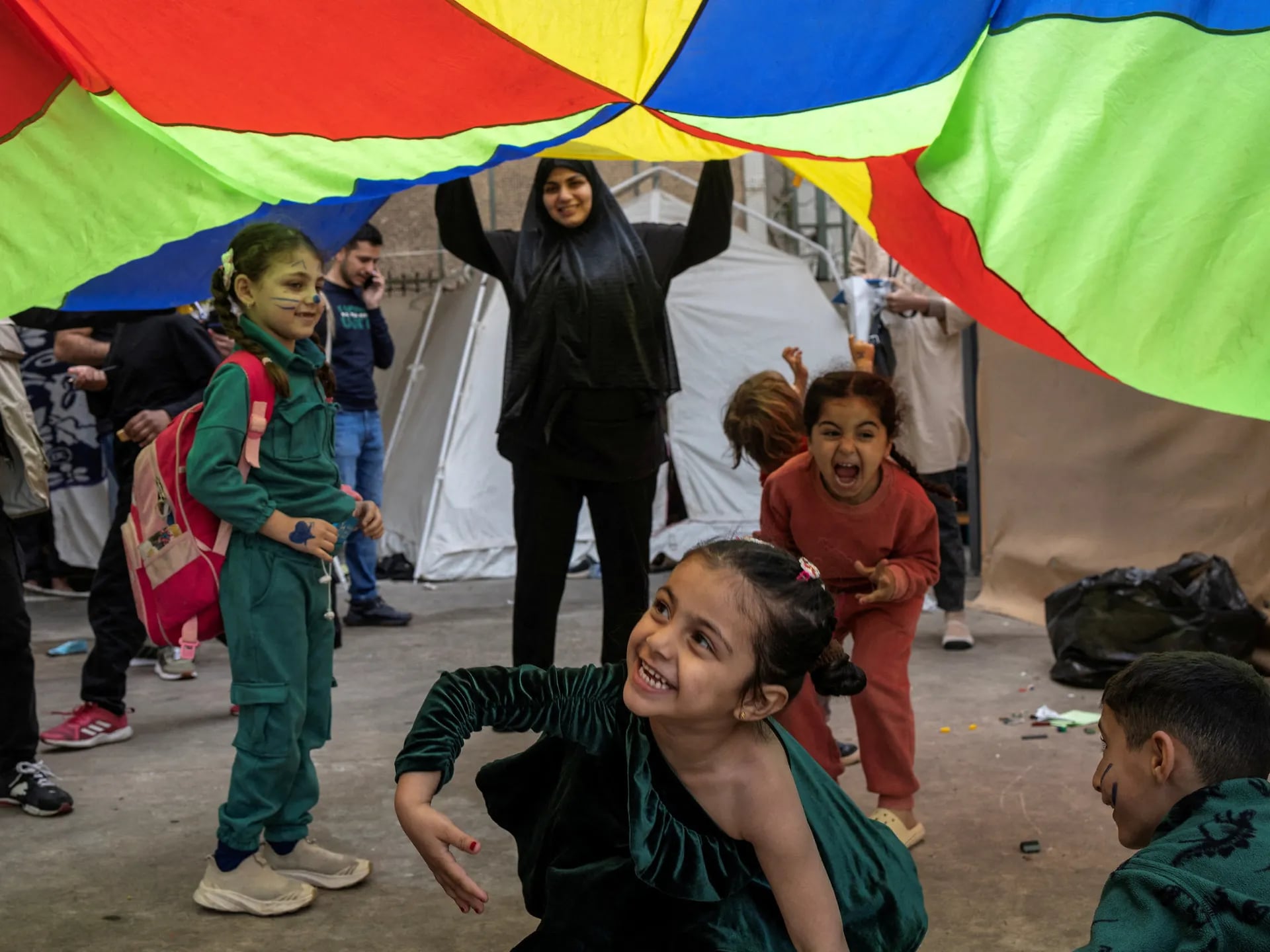
The protracted conflict in Lebanon's southern regions, stemming from the ongoing war involving Israel, is precipitating a profound humanitarian crisis, with its most devastating long-term impact unfolding within the nation's education system. Hundreds of thousands have been forcibly displaced from their homes, particularly in border areas, disrupting every facet of their lives. Among them, a significant proportion are children whose schooling has been abruptly halted, threatening to create a "lost generation" whose educational opportunities and future prospects are severely compromised. This latest calamity is not an isolated event but rather the newest, and perhaps most acute, blow to a Lebanese education system already teetering on the brink after years of compounded crises.
Lebanon’s educational infrastructure endured immense strain long before current hostilities. The nation grappled with an unprecedented economic collapse since 2019, which saw the local currency plummet, severely underfunding public services and leading to widespread teacher strikes and a significant brain drain. The devastating Beirut port blast in 2020 further exacerbated the situation, destroying schools and homes, inflicting widespread trauma. The COVID-19 pandemic, with its associated lockdowns and transition to remote learning, exposed deep inequalities in technology access. Against this backdrop of systemic vulnerability, the current conflict acts as a catastrophic accelerant, pushing an already fragile system towards complete collapse.
The sheer scale of displacement is staggering. Hundreds of thousands have fled their homes in southern Lebanon, seeking refuge in safer areas further north, often in overcrowded collective shelters or with relatives. This mass exodus has immediate and dire consequences for education. Schools in affected regions have been damaged, destroyed, or repurposed as temporary shelters, rendering them unusable. Even in host communities, the influx of displaced students overwhelms existing facilities, which lack capacity, resources, and personnel. Classrooms become severely overpopulated, teaching materials scarce, and instruction quality inevitably suffers. Many children simply have no access to any schooling, their learning journeys abruptly halted.
Beyond physical disruption, the psychological toll on these children is immense. Exposure to conflict, displacement, and the constant threat of violence leaves deep emotional scars. Children witness destruction, experience loss, and live in perpetual fear, leading to symptoms of trauma, anxiety, and depression. These psychological burdens manifest as difficulty concentrating, behavioral issues, and a diminished capacity for learning. Educators, themselves often displaced and traumatized, struggle to provide necessary psychosocial support, lacking specialized training and resources. This mental health crisis among students and teachers creates a formidable barrier to effective learning. The concept of a "lost generation" encompasses the profound and lasting damage to their mental well-being and developmental trajectory.
The direct academic consequences, or "learning loss," are profound and multifaceted. Missed school days accumulate rapidly, leading to significant gaps in knowledge and skills. Curricula are disrupted, and learning continuity is shattered. For students preparing for critical examinations, the lack of consistent instruction and a stable learning environment can derail their academic futures entirely. Education quality, already compromised by previous crises, deteriorates further as schools operate with limited resources, unqualified substitute teachers, or in ad-hoc, overcrowded settings. Basic literacy and numeracy skills are particularly at risk. Without intervention, these children will enter adulthood lacking essential competencies for meaningful employment and active societal participation, perpetuating cycles of poverty and instability.
The economic implications for displaced families further compound the educational crisis. Many families have lost livelihoods, homes, and savings. The struggle for daily survival often takes precedence over education. Children, particularly older ones, may be forced into child labor to contribute to family income, or girls pushed into early marriage, effectively ending their educational prospects. The cost of school supplies, transportation, or even basic necessities becomes an insurmountable barrier for families already struggling. This economic vulnerability creates a vicious cycle: conflict leads to displacement and poverty, which in turn leads to a lack of education, further entrenching poverty across generations.
The crisis also deeply impacts the teaching profession. Teachers in southern Lebanon have been displaced alongside their students, facing the same challenges of insecurity, loss of income, and psychological stress. Many have not received consistent salaries for years, making it incredibly difficult for them to continue their vital work. The exodus of qualified educators, both internally and externally, leaves a severe void. Schools struggle to find replacements, often relying on volunteers or individuals with minimal training, further compromising educational quality. The morale of the teaching force is at an all-time low, yet their dedication remains a crucial, albeit strained, pillar of any potential recovery. Supporting teachers with fair wages, professional development, and psychosocial assistance is paramount to rebuilding the education system.
Attempts at remote learning, a necessity during the COVID-19 pandemic, are largely ineffective in current conflict zones. The lack of reliable electricity, internet access, and digital devices among displaced populations renders online education largely inaccessible. Even where technology might exist, the instability of living conditions, constant movement, and psychological stress make focused remote learning virtually impossible. This digital divide ensures that the most vulnerable children, those in the direct path of conflict, are precisely the ones least able to access alternative learning solutions, widening the educational gap even further.
The long-term societal impact of a "lost generation" of Lebanese students is catastrophic. A poorly educated populace is less equipped to contribute to economic recovery and national development. It fuels social inequality, as those with access to private or international schooling widen the gap with those reliant on a failing public system. It can also sow seeds of resentment and instability, as disillusioned youth, lacking opportunities, may become more susceptible to radicalization or despair. The ability of Lebanon to rebuild, to foster social cohesion, and to achieve lasting peace is inextricably linked to the educational attainment and well-being of its youth. Failing to address this crisis now will have repercussions for decades to come, undermining any efforts towards stability and prosperity.
International humanitarian organizations and aid agencies are working to provide emergency relief, including educational support, but their efforts are often overwhelmed by the crisis's scale and constrained by funding limitations and security challenges. There is an urgent need for sustained, comprehensive, and coordinated international intervention that goes beyond immediate aid. This includes funding for temporary learning spaces, provision of educational materials, psychosocial support programs, teacher training and remuneration, and long-term investment in rebuilding and strengthening Lebanon's educational infrastructure. Without a concerted global effort, the current generation of Lebanese students risks being permanently scarred by conflict, their potential unfulfilled, and their nation's future irrevocably diminished. The world cannot afford to stand by as an entire generation's future is systematically dismantled; the cost of inaction will far outweigh the investment required for their education and well-being.
Support Nivaran Foundation's global efforts to ensure education access for children in crisis zones.
Talk to Nivaran Global