
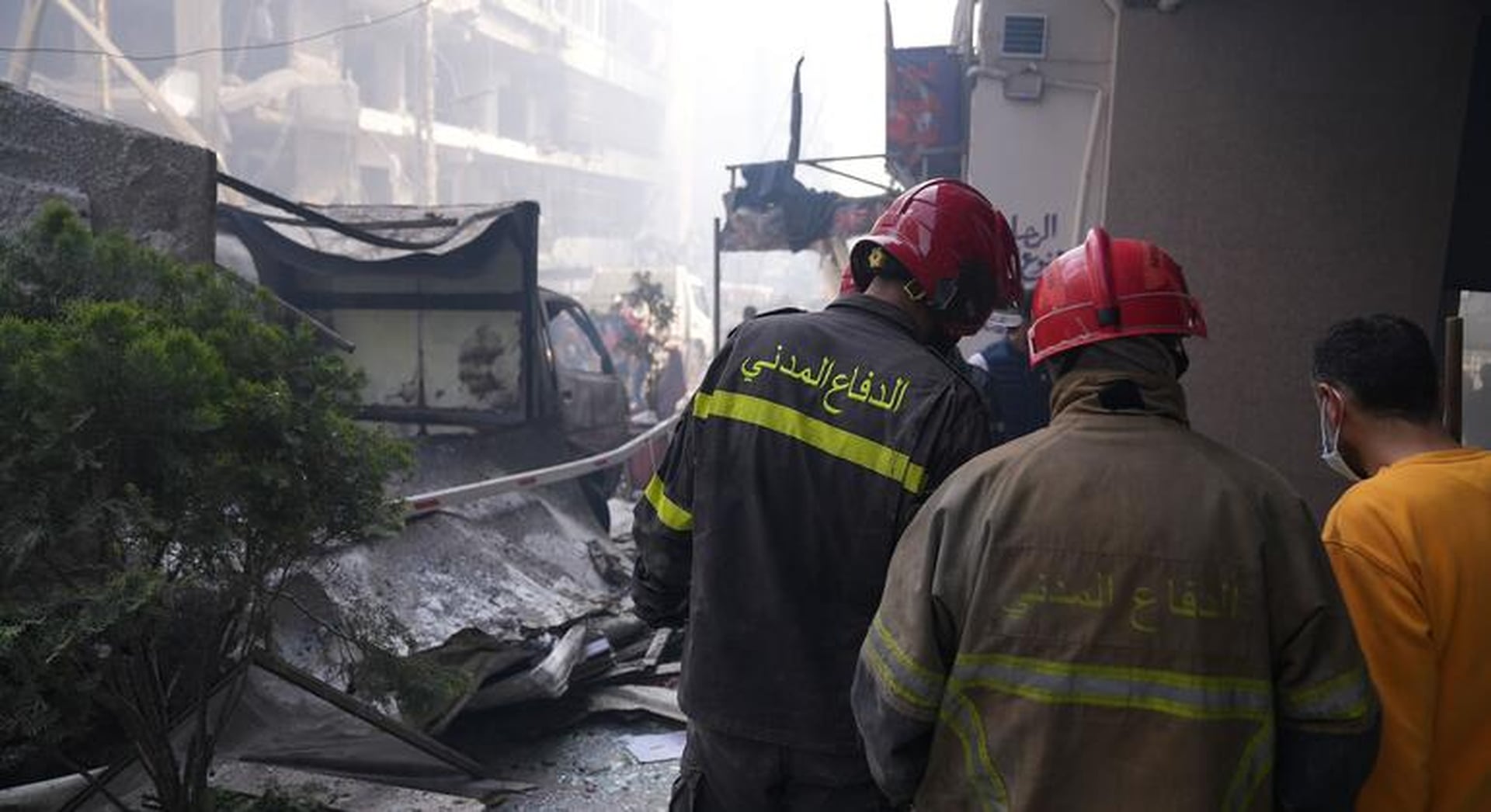
The recent wave of Israeli airstrikes in Lebanon, occurring swiftly after a US-Iran ceasefire announcement, has plunged the nation's already fragile health system into a profound crisis, according to the World Health Organization (WHO). The scale and speed of the destruction have left medical facilities struggling to cope with an influx of casualties and widespread disruption, exacerbating long-standing vulnerabilities that have plagued the country for years.
Lebanon's healthcare infrastructure has been under immense strain for years, long before this latest escalation. A crippling economic crisis, characterized by hyperinflation and a severe devaluation of the national currency, has decimated public services and driven a mass exodus of medical professionals. Hospitals have grappled with chronic shortages of essential medicines, medical supplies, and even basic utilities like electricity and fuel. Many facilities operate on shoestring budgets, with equipment often outdated or poorly maintained. The departure of skilled doctors, nurses, and technicians seeking opportunities abroad has further hollowed out the system, leaving a critical deficit of expertise. This pre-existing fragility meant that the system had virtually no reserve capacity to absorb a shock of the magnitude witnessed in the recent attacks, making it acutely susceptible to collapse under pressure. The cumulative effect of years of political instability and economic hardship had already pushed the healthcare sector to its breaking point, transforming what should be a robust safety net into a precarious network barely able to function even in peacetime.
This latest wave of airstrikes unleashed a torrent of devastation, targeting critical infrastructure and residential areas across Lebanon. Eyewitness accounts and preliminary assessments point to widespread damage to roads, bridges, and communication networks, severely impeding the swift movement of emergency services and humanitarian aid. Hospitals, already operating at reduced capacity, found themselves overwhelmed by a sudden surge in trauma cases, including severe injuries requiring complex surgical interventions. Emergency rooms, often understaffed and undersupplied, quickly reached their breaking point, with medical teams working around the clock in increasingly dire conditions. The destruction extended beyond direct hits on medical facilities; power outages became rampant, jeopardizing the operation of life-sustaining equipment such as ventilators, incubators, and dialysis machines. Water supply systems were also compromised in several areas, raising immediate public health concerns regarding sanitation and the potential spread of waterborne diseases. The logistical challenges of transporting injured individuals to functioning hospitals through damaged routes, coupled with the constant threat of further strikes, created an almost insurmountable barrier to timely medical care for many. Moreover, the psychological toll on healthcare workers, already exhausted from years of crisis management, has been immense, as they confront scenes of unimaginable suffering while fearing for their own safety and that of their families.
Humanitarian Catastrophe Unfolding
The human cost of these strikes is profound and multifaceted. Beyond the immediate casualties, thousands have been displaced from their homes, seeking refuge in temporary shelters or with relatives, often without access to basic necessities. This mass displacement places additional burdens on host communities and existing public health services, which are ill-equipped to handle such an influx. Vulnerable populations, including children, the elderly, and individuals with chronic illnesses, are disproportionately affected. Children, traumatized by the violence, face significant psychological distress, while disruptions to routine immunizations and maternal care services threaten long-term health outcomes. Patients requiring ongoing treatment for conditions like cancer, diabetes, or kidney failure find their access to vital medication and regular medical appointments severely curtailed, putting their lives at risk. The breakdown of public health infrastructure also creates fertile ground for the resurgence of infectious diseases, as sanitation deteriorates and access to clean water becomes scarce. The mental health crisis, often overlooked in the immediate aftermath of conflict, is rapidly escalating, with widespread reports of anxiety, depression, and post-traumatic stress disorder among the affected population. The cumulative effect is a humanitarian catastrophe unfolding in real-time, demanding an urgent and comprehensive response.
WHO's Urgent Appeal
The World Health Organization has been vocal in its alarm, describing the situation as 'horrific' and highlighting the immediate need for international intervention. WHO teams on the ground are working to assess the full extent of the damage to health infrastructure and identify critical gaps in service provision. Their efforts include coordinating the delivery of emergency medical supplies, deploying mobile health clinics to reach displaced populations, and providing technical support to local health authorities struggling to maintain essential services. However, the scale of the crisis far outstrips the available resources. The WHO has issued an urgent appeal to the international community for increased humanitarian funding, emphasizing that without sustained support, Lebanon's health system faces an imminent collapse. They underscore the necessity of ensuring safe access for humanitarian workers and protecting healthcare facilities, which are explicitly safeguarded under international humanitarian law. The organization's reports paint a grim picture of hospitals running out of fuel for generators, critical medications dwindling, and medical personnel operating under extreme duress, highlighting the desperate need for a coordinated global response to avert a deeper catastrophe.
Regional Instability and Long-Term Challenges
The destabilization of Lebanon's health system carries significant regional implications, exacerbating an already volatile geopolitical landscape. The conflict risks triggering further displacement across borders, placing additional strain on neighboring countries that are themselves grappling with their own humanitarian challenges. A weakened Lebanon, unable to provide basic services to its population, becomes a potential source of broader instability, impacting regional security and humanitarian efforts. The timing of these strikes, just hours after a US-Iran ceasefire announcement, casts a shadow over prospects for de-escalation in the wider Middle East, suggesting that underlying tensions remain dangerously high. The international community's failure to adequately address the humanitarian crisis in Lebanon could set a dangerous precedent, undermining efforts to protect civilians and uphold international law in other conflict zones. The interconnectedness of regional crises means that a collapse in one nation's essential services inevitably sends ripple effects throughout the entire area, complicating diplomatic efforts and prolonging human suffering.
Even if the immediate hostilities cease, Lebanon faces a monumental task of long-term recovery and reconstruction. Rebuilding damaged hospitals and clinics, restoring essential utilities, and replenishing medical supplies will require substantial financial investment and sustained international commitment. Beyond physical infrastructure, the more complex challenge lies in rebuilding the human capital of the health sector. Attracting back the skilled medical professionals who have left the country, and training a new generation, will be a lengthy and arduous process. Addressing the deep-seated economic and political issues that have rendered the health system so vulnerable in the first place is paramount. Without fundamental reforms and a stable economic environment, any reconstruction efforts risk being temporary fixes. The psychological scars of conflict will also require extensive and long-term mental health support services, which are currently severely lacking. Nivaran Foundation recognizes that true recovery extends far beyond immediate aid, necessitating a comprehensive approach that tackles root causes and builds resilient, equitable health systems capable of withstanding future shocks. This requires not just emergency funding but strategic partnerships and capacity-building initiatives that empower local communities and institutions.
The situation in Lebanon is a stark reminder of how quickly conflict can unravel years of development and plunge a nation into a humanitarian crisis. The overwhelming of its health system, exacerbated by pre-existing fragilities and the swift, destructive nature of recent airstrikes, demands an immediate and robust international response. Ensuring access to medical care, protecting healthcare workers, and supporting the long-term recovery of essential services are not merely acts of charity but fundamental obligations under international humanitarian law. The global community must act decisively to provide the necessary aid and diplomatic pressure to de-escalate tensions, allowing Lebanon to begin the arduous journey of healing and rebuilding its vital health infrastructure. The lives of millions depend on it.
Support Nivaran Foundation's efforts to strengthen global health systems and provide emergency aid in conflict-affected regions like Lebanon.
Talk to Nivaran Global