
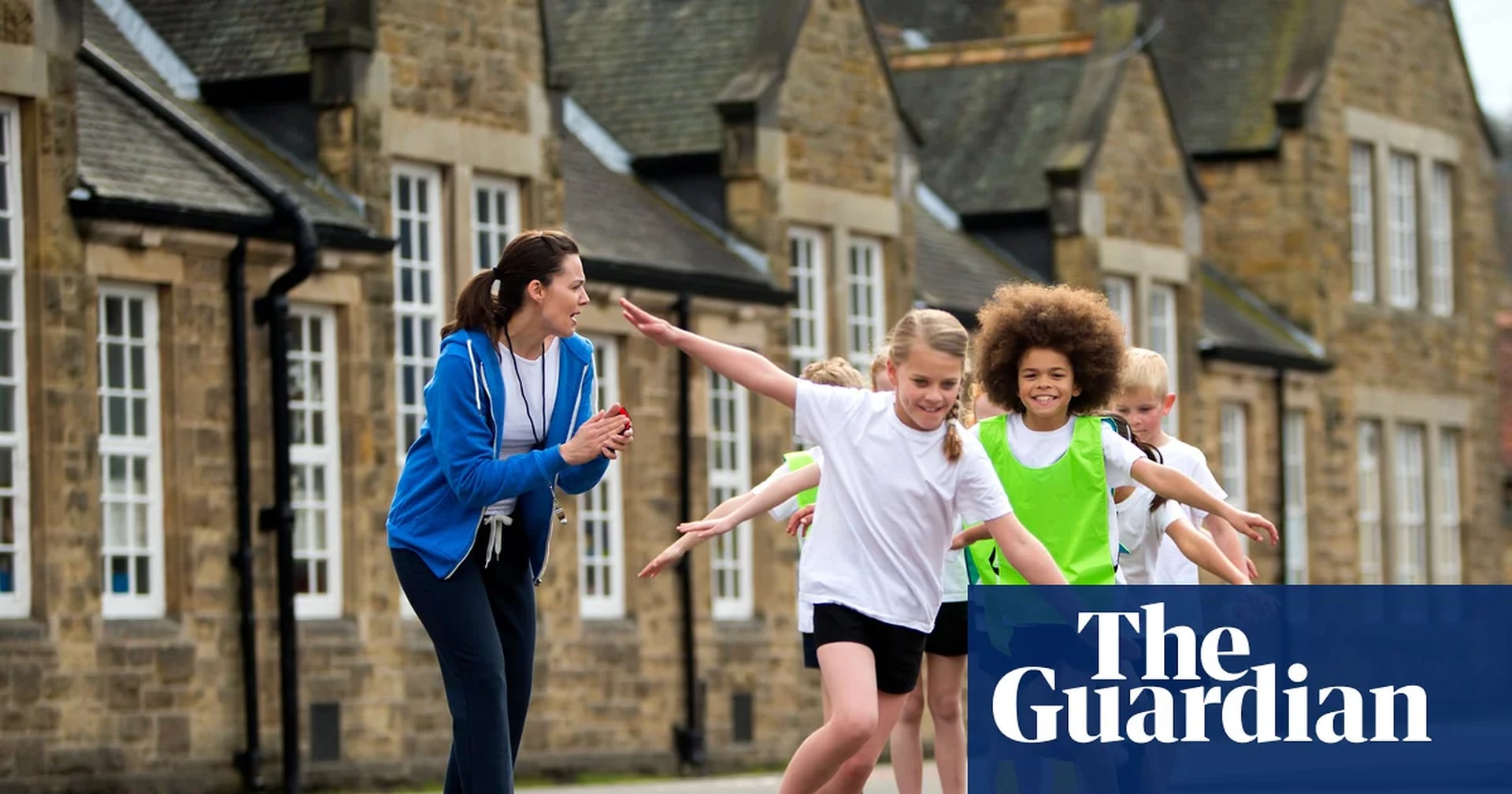
The global community faces an escalating challenge in promoting sustained physical activity and combating sedentary lifestyles. Evidence overwhelmingly points to the profound benefits of an active population, ranging from improved physical health and reduced chronic disease risk to enhanced mental well-being and cognitive function. Yet, despite this compelling data, societies worldwide struggle to embed regular physical activity into the daily lives of their citizens. A critical juncture for intervention lies within the educational system, where foundational habits are formed and sustained. Making sport and physical activity central to school life is not merely an extracurricular add-on but a fundamental pillar for fostering a healthier, more resilient global populace. The experiences children have with movement and play during their formative years profoundly shape their attitudes and engagement with physical activity throughout their lives.
Childhood is a crucible where habits are forged, and preferences are established. When children encounter positive, encouraging, and enjoyable experiences with physical activity, they are far more likely to integrate it into their routines as they mature. Conversely, negative or even "traumatizing" encounters with school sports, often characterized by excessive competition, lack of inclusivity, or punitive approaches, can instill a lifelong aversion to exercise. This stark contrast underscores the imperative for educational institutions to cultivate environments where physical activity is perceived as a source of joy, empowerment, and personal growth, rather than a source of anxiety or failure. The goal should be to foster intrinsic motivation, allowing every child to discover activities they genuinely enjoy and feel competent in, thereby building a robust foundation for an active adulthood. This shift requires a re-evaluation of traditional physical education models, moving towards diverse and student-centered approaches that cater to a wide spectrum of abilities and interests.
For physical activity to truly become central to school life, it must extend far beyond the confines of a scheduled physical education class. It necessitates a holistic integration into the entire school day and culture. This means prioritizing ample opportunities for active play during recess, incorporating movement breaks into academic lessons, and offering a broad array of extracurricular sports and physical clubs that appeal to diverse student populations. Schools can design their physical spaces to encourage movement, from vibrant playgrounds and accessible sports facilities to walking paths and bike racks. Furthermore, the ethos of the school itself should champion an active lifestyle, with teachers and staff serving as positive role models and promoting the value of movement in all contexts. This pervasive culture ensures that physical activity is not seen as an isolated subject but as an inherent and valued component of daily existence, reinforcing its importance continuously.
The benefits of physical activity in schools extend far beyond mere physical fitness. Regular movement is intrinsically linked to improved cognitive function, enhancing concentration, memory, and problem-solving skills, which in turn can lead to better academic performance. It also plays a crucial role in mental well-being, serving as a powerful antidote to stress, anxiety, and depression prevalent among young people. Through team sports and group activities, children develop vital social skills such as cooperation, communication, leadership, and empathy. They learn about fair play, resilience in the face of setbacks, and the importance of effort and discipline. These are not just attributes for the sports field; they are essential life skills that contribute to a child's overall character development and their ability to navigate complex social environments. An active school environment thus nurtures well-rounded individuals equipped with the physical, mental, and social tools necessary for success in all facets of life.
Achieving widespread engagement in physical activity requires a keen awareness of the diverse barriers that exist. Socio-economic disparities often limit access to quality sports facilities, equipment, and coaching for children from disadvantaged backgrounds. Gender stereotypes can discourage girls from participating in certain sports, while cultural norms in some regions may restrict participation for specific groups. Children with disabilities frequently face inadequate provisions and a lack of inclusive programming. To truly embed physical activity for everyone, schools must actively dismantle these barriers. This involves providing equitable access to resources, offering a wide range of activities that appeal to all genders and cultural backgrounds, and designing adaptive programs that ensure full participation for children with diverse abilities. Training educators in inclusive practices and fostering an environment of acceptance and encouragement are paramount to ensuring that every child feels valued and empowered to move.
The transformation required to place physical activity at the heart of global education demands more than incremental adjustments; it necessitates fundamental structural change and continuous innovation. This includes reforming national curricula to elevate the status of physical education, ensuring adequate funding for sports infrastructure and equipment, and investing in comprehensive professional development for teachers to equip them with modern pedagogical approaches. Innovation can drive sustainable engagement, from leveraging technology to track progress and gamify activities to exploring novel sports and movement forms that resonate with contemporary youth culture. Partnerships between schools, local communities, sports organizations, and health agencies can create a broader ecosystem of support, offering diverse opportunities and resources. Policymakers must recognize physical activity as a public health imperative and translate this understanding into concrete, long-term strategies that support schools in their vital role.
The dividends of prioritizing physical activity in schools are immense, extending far beyond individual well-being to shape the health and productivity of entire nations. An active generation is a healthier generation, less prone to chronic diseases, reducing the strain on healthcare systems. It is also a more engaged and productive generation, contributing positively to economic and social development. By instilling a love for movement early on, societies invest in their future, fostering communities that are vibrant, resilient, and connected. The time for passive acknowledgment of the benefits of physical activity is over; it is time for decisive, coordinated action. Educators, parents, policymakers, and community leaders worldwide must collaborate to champion this cause, ensuring that every child has the opportunity to experience the profound joy and lasting benefits of an active life. This collective effort will pave the way for a healthier, more dynamic global society.
Support Nivaran Foundation's global initiatives to promote health and education for all children, fostering active and thriving communities worldwide.
Talk to Nivaran Global