
The global health landscape is currently grappling with a profound paradox: despite the monumental achievement of developing and deploying the first-ever malaria vaccines, the world is witnessing an alarming resurgence in malaria cases and deaths. This unsettling trend challenges decades of progress and casts a shadow over the ambitious goal of malaria eradication, demanding urgent attention and a re-evaluation of global strategies.
The advent of malaria vaccines, such as RTS,S/AS01 and R21/Matrix-M, represents a scientific triumph against a disease that has plagued humanity for millennia. These vaccines offer partial protection, primarily targeting young children in high-burden areas, and have been hailed as a crucial new tool in the fight. They work by stimulating the immune system to produce antibodies against the parasite during its initial stages in the human body, aiming to prevent the infection from taking hold and progressing to severe disease. Their phased introduction in several African nations has been met with cautious optimism, promising to significantly reduce the burden of severe malaria and save countless young lives, particularly among those most vulnerable to the disease's devastating effects. The hope was that these vaccines, when integrated with existing interventions, would accelerate the decline in malaria incidence and mortality, pushing the world closer to a malaria-free future.
However, this optimism is tempered by a stark and concerning reality. Recent global health reports indicate that, contrary to expectations, malaria deaths and cases have been on an upward trajectory in various regions, particularly across sub-Saharan Africa, which bears the brunt of the disease. This increase reverses years of steady decline and highlights the fragility of past gains. The human cost of this resurgence is immense, with children under five remaining disproportionately affected, succumbing to a preventable and treatable disease. This unsettling trend signals that while vaccines are a vital addition to the arsenal, they alone cannot stem the tide against a disease whose dynamics are influenced by a complex web of environmental, biological, and socio-economic factors.
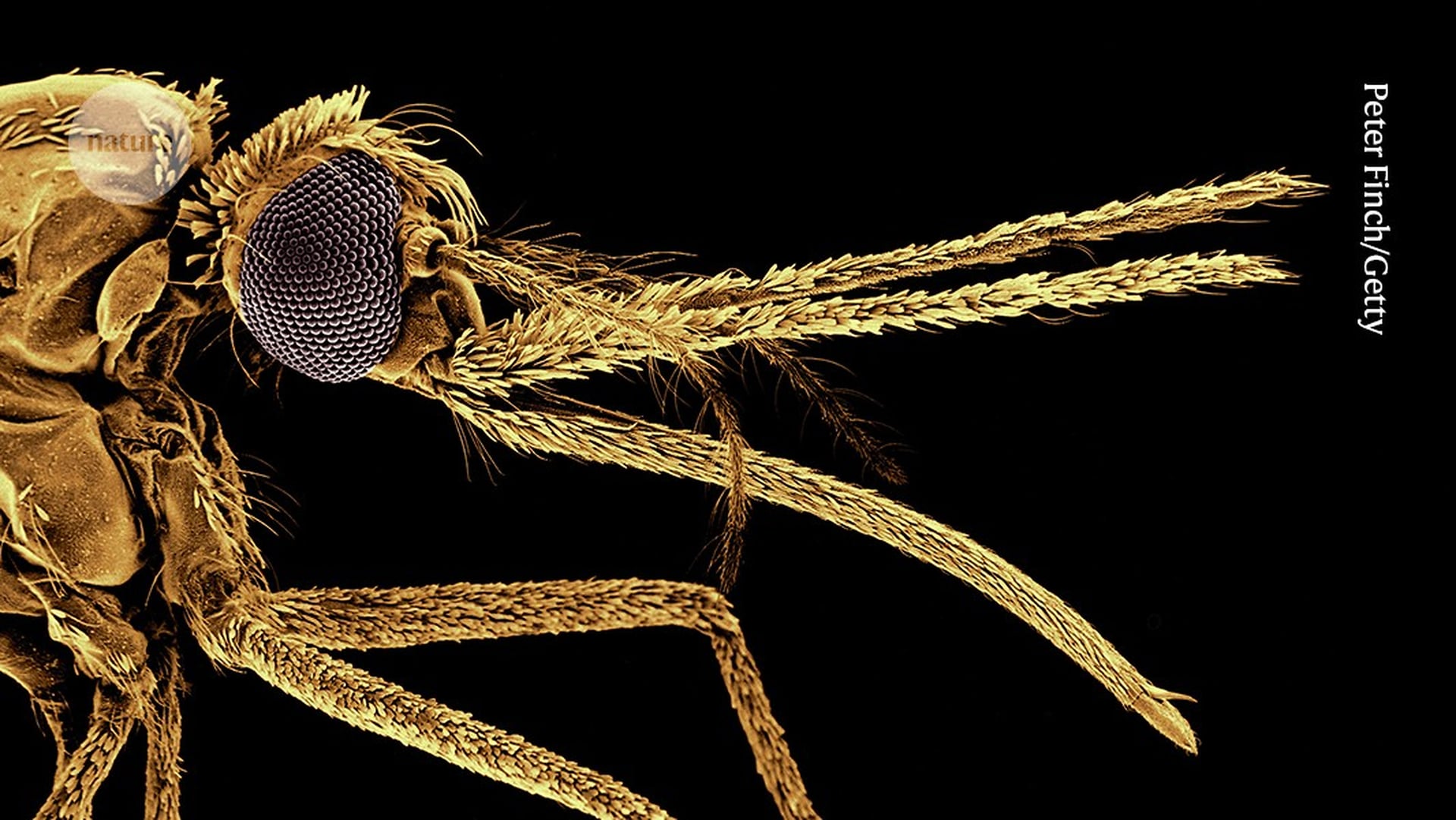
Several multifaceted drivers are contributing to this alarming resurgence, undermining even the most robust control efforts. One significant factor is the escalating impact of climate change. Shifting weather patterns, including unpredictable rainfall and rising temperatures, are expanding the geographical range of malaria-carrying mosquitoes and extending transmission seasons in many areas. Regions previously considered too cool for sustained transmission are now becoming vulnerable, while endemic areas experience intensified and prolonged periods of risk. This environmental shift creates new challenges for control programs, requiring adaptation and resource allocation to previously unaffected communities.
Another critical challenge is the growing problem of antimalarial drug resistance. The parasite responsible for malaria, Plasmodium falciparum, has shown an alarming capacity to evolve resistance to frontline antimalarial drugs, particularly artemisinin-based combination therapies (ACTs). These therapies have been the cornerstone of effective malaria treatment for decades, but their efficacy is increasingly threatened. The emergence and spread of resistant parasite strains mean that treatment failures are becoming more common, leading to prolonged illness, increased transmission, and, ultimately, higher mortality rates. The search for new drug classes is urgent, but the pipeline for novel antimalarials remains limited.
Similarly, insecticide resistance in mosquitoes poses a severe threat to vector control efforts. Insecticide-treated bed nets (ITNs) and indoor residual spraying (IRS) are highly effective interventions that have historically prevented millions of malaria cases. However, mosquitoes are developing resistance to the insecticides, primarily pyrethroids, used in these tools. This biological adaptation reduces the protective efficacy of ITNs and IRS, allowing mosquitoes to continue biting and transmitting the parasite. The need for new, effective insecticides and alternative vector control strategies is paramount to maintain the integrity of these foundational prevention methods.
Furthermore, weaknesses and disruptions in health systems globally have significantly hampered malaria control. Conflicts, humanitarian crises, and other global health emergencies, such as the COVID-19 pandemic, have diverted resources, disrupted supply chains for essential medicines and diagnostics, and limited access to healthcare services. In many vulnerable regions, fragile health infrastructure struggles to deliver even basic malaria services, including prompt diagnosis and effective treatment. These systemic vulnerabilities mean that even when tools like vaccines are available, their effective deployment and sustained impact are compromised by logistical hurdles, lack of trained personnel, and inadequate funding.
Funding gaps also play a crucial role. Despite the immense burden of malaria, international funding for control and elimination efforts has stagnated or even declined in recent years. This underinvestment forces programs to scale back essential services, leading to reduced coverage of bed nets, fewer spraying campaigns, and diminished surveillance capabilities. Without sustained and increased financial commitment, the gains made over the past two decades are at risk of being completely reversed. Moreover, access barriers persist, with geographic, economic, and social inequalities preventing the most vulnerable populations from accessing available interventions, further exacerbating the crisis.
Integrating vaccines into this complex and challenging landscape requires a nuanced and strategic approach. Vaccines are not a standalone solution but rather a powerful complement to existing interventions. Their successful deployment hinges on overcoming significant logistical hurdles, including maintaining cold chains in remote areas, training healthcare workers, and ensuring equitable distribution. Crucially, community engagement and education are vital to foster acceptance and address any vaccine hesitancy. The emphasis must remain on an integrated strategy that combines vaccines with universal coverage of ITNs, targeted IRS, prompt and accurate diagnosis, effective antimalarial treatment, and robust surveillance systems.
The path forward demands a renewed global commitment and innovative strategies. Increased investment, both international and domestic, is essential to bridge funding gaps and strengthen health systems. Continued research and development are critical for creating next-generation tools, including more effective vaccines, novel classes of antimalarial drugs, and innovative vector control methods that can circumvent resistance. Strengthening primary healthcare systems will ensure that interventions reach the most vulnerable, while enhanced surveillance and data-driven decision-making will allow for more targeted and adaptive responses to evolving malaria dynamics. Furthermore, addressing the root causes of vulnerability, such as poverty, inequality, and environmental degradation, is fundamental to achieving sustainable malaria control.
The current rise in malaria deaths, despite the promise of vaccines, serves as a stark reminder that complacency has no place in the fight against this ancient and persistent disease. The global community must leverage every available tool and innovation, including the groundbreaking new vaccines, while simultaneously addressing the underlying systemic issues that are driving the resurgence. Only through unprecedented global collaboration, sustained political will, and a multi-faceted, adaptive approach can the world hope to reverse this alarming trend and move closer to the ambitious, yet achievable, vision of a malaria-free future, protecting the lives of millions, especially the most vulnerable children.
Support Nivaran Foundation's global health initiatives to combat preventable diseases and strengthen healthcare systems worldwide.
Talk to Nivaran Global