
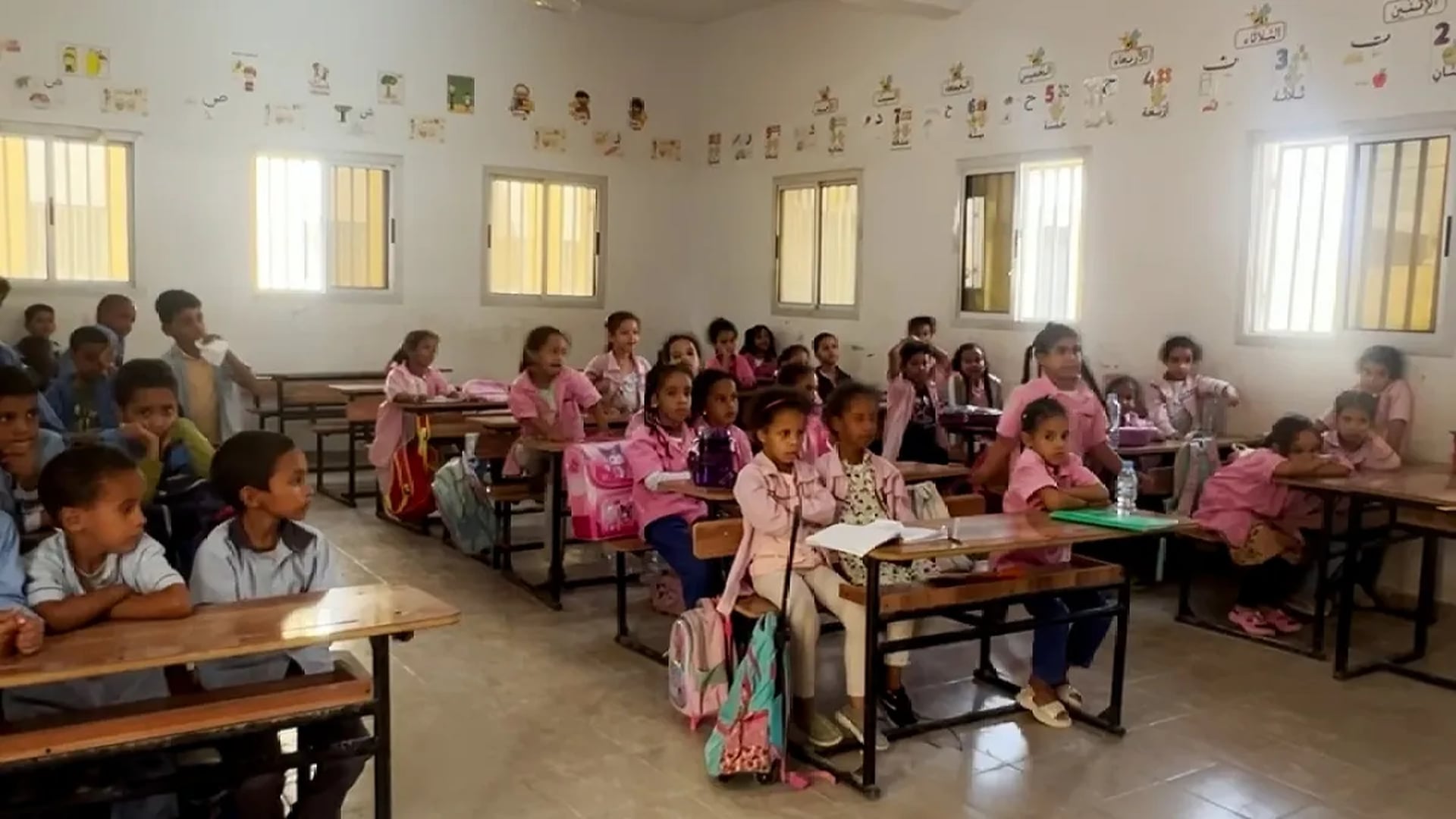
In a move that has ignited a fervent national debate, Mauritania’s government has unveiled a sweeping education reform plan slated to see the closure of the majority of the nation's private primary schools. This ambitious policy aims to integrate all primary-level students into the public education system, a decision that has been met with significant backlash from parents, educators, and private school operators across the country.
The core of the government's initiative centers on bolstering the public education sector, which officials contend has been overshadowed by a burgeoning private school industry. The stated rationale behind this consolidation is multifaceted: to standardize educational quality, ensure equitable access for all Mauritanian children regardless of socio-economic background, and potentially alleviate the financial burden on families currently paying private school fees. Proponents of the reform argue that a unified public system is essential for national cohesion and for fostering a consistent standard of learning across the diverse nation.
However, the announcement has been met with immediate and widespread public outcry. Many parents, particularly those in urban centers, express deep apprehension regarding the quality of public education. They argue that private schools, despite their costs, often offer smaller class sizes, better-maintained facilities, and a more focused pedagogical approach, factors they believe are crucial for their children's academic development. The fear is that transferring thousands of students into an already strained public system could lead to a decline in educational standards rather than an improvement.
Logistical challenges represent another significant point of contention. Critics of the plan highlight the potential for severe overcrowding in public schools, many of which are already operating at or beyond capacity. Concerns are mounting over the adequacy of existing infrastructure, the availability of sufficient qualified teachers, and the resources required to accommodate a sudden influx of students. The sheer scale of the proposed transfer raises questions about the government's capacity for effective implementation without causing significant disruption to children's learning environments.
Beyond practical concerns, the policy has sparked a robust discussion about parental choice and autonomy in education. Many families feel that the government's decision infringes upon their right to choose the most suitable educational path for their children. Furthermore, the economic ramifications for the private education sector are substantial. Private school owners, administrators, and thousands of teachers and support staff face the prospect of job losses and the dissolution of businesses built over years, contributing to economic instability in an already sensitive sector.
Mauritania's educational landscape has historically featured a dual system, with private institutions playing a significant role, particularly in urban areas, in supplementing or sometimes substituting public provision. While the public system has long grappled with challenges such as funding disparities, teacher retention, and curriculum consistency, private schools have often filled these gaps, offering diverse educational models. This context underscores the complexity of the current reform, as it seeks to fundamentally alter a long-established educational ecosystem.
In response to the criticism, the government has reiterated its commitment to strengthening the public education system. Officials have indicated plans for increased investment in school infrastructure, including the construction of new facilities and renovation of existing ones. Promises of enhanced teacher training programs, curriculum updates, and improved resource allocation are part of the broader vision to ensure the public system is well-equipped to absorb and effectively educate all primary students. The success of the reform, therefore, hinges not just on the closure of private schools but on the robust and timely execution of these promised improvements.
Private school operators, many of whom have invested heavily in their institutions, have voiced strong opposition, citing a lack of consultation and the sudden nature of the decision. They argue that their schools contribute significantly to the national education effort and that a more collaborative approach, perhaps involving regulation and support rather than outright closure, would have been more beneficial. Some are exploring legal avenues to challenge the policy, emphasizing the potential for significant financial losses and the disruption to their livelihoods.
Teachers, both in the public and private sectors, also face uncertainty. Private school teachers are concerned about their employment prospects, while public school teachers anticipate increased workloads and potential strain on resources without adequate support. Ensuring a smooth transition for educators, including opportunities for retraining and integration into the public system, will be critical for the reform's success and for maintaining morale within the teaching profession.
Education experts and analysts observing the situation offer a nuanced perspective. While acknowledging the theoretical benefits of a strong, unified public education system—such as promoting social equity and ensuring consistent quality—they caution against the risks associated with rapid, large-scale implementation without meticulous planning and sufficient resources. The potential for unintended consequences, particularly in terms of educational quality and access for vulnerable populations, remains a significant concern.
The social and economic implications of this policy extend beyond the immediate educational sphere. The debate highlights broader questions about equity: will the policy truly level the playing field, or will it inadvertently shift educational disadvantages? The impact on different socio-economic strata, as well as urban versus rural areas, will need careful monitoring. Furthermore, the ripple effects on local economies, where private schools often serve as significant employers and consumers, cannot be overlooked.
The implementation phase of this reform will undoubtedly be fraught with challenges. Ensuring smooth student transitions, managing diverse learning needs within larger public school settings, maintaining educational continuity, and adhering to ambitious timelines will require exceptional coordination and resources from the government. The coming months will be crucial in determining whether Mauritania can navigate these complexities successfully.
As Mauritania stands at this critical juncture, the future of its primary education system hangs in the balance. The government's bold reform, while driven by an ambition to strengthen public education and foster greater equity, faces considerable public resistance and significant logistical hurdles. The outcome of this national debate will not only redefine the educational landscape for a generation of Mauritanian children but also serve as a compelling case study for other nations grappling with the intricate balance between educational reform and societal impact.
Support Nivaran Foundation's efforts to analyze and report on critical global education policies impacting communities worldwide.
Talk to Nivaran Global