
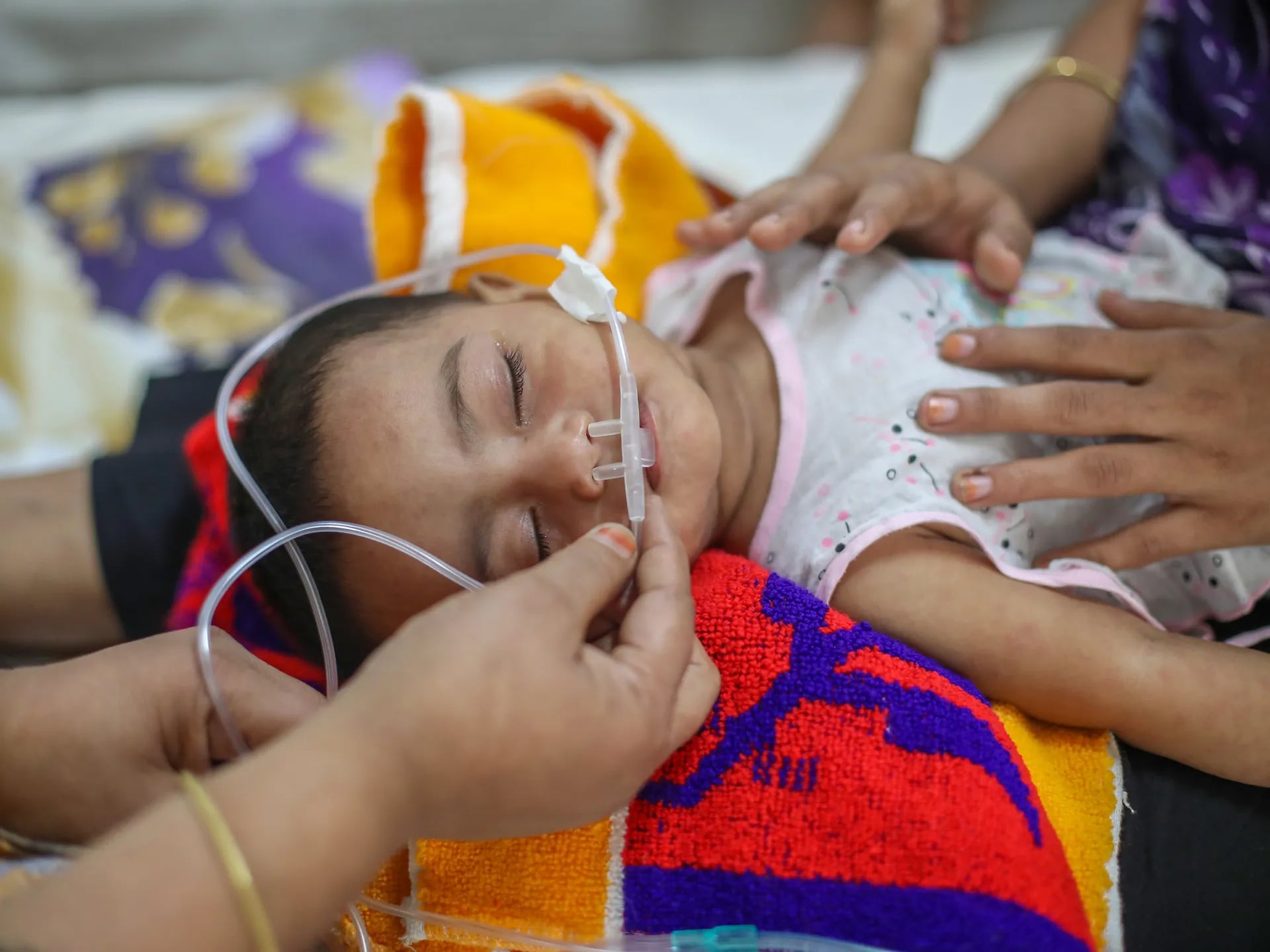
The global health community is grappling with profound concern following reports from Bangladesh, where a devastating measles outbreak has claimed the lives of over 500 children. This tragic toll, predominantly affecting children between the ages of six months and five years, underscores the persistent vulnerabilities within global health systems and the critical importance of widespread immunization. The resurgence of a highly preventable disease like measles in such numbers serves as a stark reminder of the fragile progress made in child health and the urgent need for sustained vigilance and investment.
Measles, a highly contagious viral infection, remains a leading cause of death among young children globally, despite the availability of a safe and effective vaccine. Characterized by a distinctive rash, high fever, and respiratory symptoms, the disease can lead to severe complications including pneumonia, encephalitis (brain swelling), severe diarrhea, and permanent blindness. For malnourished children or those with compromised immune systems, the risk of fatal outcomes is significantly higher. The virus spreads easily through airborne droplets from the nose, mouth, or throat of an infected person, making crowded conditions and areas with low vaccination coverage particularly susceptible to rapid transmission. The incubation period, typically 10-12 days, means that by the time symptoms appear, the virus may have already spread widely within a community.
Bangladesh, a nation with a large and often densely populated populace, faces unique challenges in public health delivery. While the country has made commendable strides in expanding its immunization programs over the past decades, outbreaks like the current one highlight areas where coverage may have faltered or where specific pockets of vulnerability persist. Factors contributing to such outbreaks often include disruptions to routine vaccination services – whether due to natural disasters, economic instability, or the lingering effects of global health crises that divert resources. Furthermore, population movements, including internal migration and the presence of refugee communities, can create challenges in reaching every child with essential vaccines, leading to accumulation of susceptible individuals. The current outbreak suggests a significant gap in immunity within the affected age group, indicating that a substantial number of young children either missed their scheduled vaccinations or did not complete the full course required for robust protection.
This tragedy in Bangladesh is not an isolated incident but rather a symptom of broader global health challenges. Across various regions, vaccine-preventable diseases, once thought to be on the verge of eradication, are making alarming comebacks. This trend is fueled by a complex interplay of factors: vaccine hesitancy and misinformation, which erode public trust in established medical science; disruptions in vaccine supply chains and healthcare infrastructure, particularly in low-income settings; and the diversion of health resources towards emerging crises. The World Health Organization and other international bodies have consistently warned that any decline in routine immunization coverage creates fertile ground for outbreaks, threatening to reverse decades of progress in child survival. The ripple effect extends beyond immediate illness and death, placing immense strain on already overburdened health systems, diverting resources from other critical health initiatives, and hindering economic and social development.
Effective containment and prevention of measles outbreaks hinge on achieving and maintaining high vaccination coverage, ideally above 95% for two doses of the measles vaccine, to establish herd immunity. This level of protection safeguards not only vaccinated individuals but also those who cannot be vaccinated due to age or medical conditions. Reaching this target requires multi-faceted strategies. Robust surveillance systems are essential to detect cases early and initiate rapid response measures, including targeted vaccination campaigns. Strengthening primary healthcare infrastructure, particularly in remote and underserved areas, is paramount to ensure equitable access to immunization services. This includes adequate cold chain management for vaccine storage, trained healthcare personnel, and reliable transportation networks. Community engagement and education are equally vital to counter misinformation, build trust, and encourage uptake of vaccines. Local leaders, community health workers, and religious figures play a crucial role in disseminating accurate information and addressing community-specific concerns.
The global response to such health crises demands robust international cooperation. Organizations like UNICEF, Gavi, the Vaccine Alliance, and the World Health Organization are instrumental in supporting national governments with vaccine procurement, logistical support, technical expertise, and funding for immunization programs. Their efforts are critical in ensuring that vaccines reach the most vulnerable populations, especially in emergency settings or during periods of disrupted services. However, these efforts require sustained political will and financial commitment from donor nations. The current outbreak in Bangladesh serves as a poignant reminder that global health security is a shared responsibility; an outbreak anywhere can pose a threat everywhere. Investing in resilient health systems and universal access to vaccines is not merely an act of charity but a strategic imperative for global stability and prosperity.
Beyond the immediate tragedy of lives lost, measles outbreaks carry significant long-term consequences. Children who survive severe measles infections often face weakened immune systems for months or even years, making them more susceptible to other infectious diseases. The disease can also lead to permanent disabilities such as blindness or brain damage, imposing a lifelong burden on individuals, families, and healthcare systems. The economic impact is substantial, encompassing healthcare costs, lost productivity from sick parents caring for children, and the disruption of education. Nivaran Foundation believes that every child, regardless of their geographic location or socioeconomic status, deserves the fundamental right to health and protection from preventable diseases. This requires a renewed global commitment to strengthening routine immunization programs, addressing the root causes of vaccine inequity, and fostering public trust in life-saving interventions. Our collective future depends on our ability to safeguard the health of the youngest and most vulnerable among us.
The heartbreaking loss of over 500 children in Bangladesh to measles is a clarion call for intensified global action. It underscores the urgent need to close immunization gaps, reinforce health infrastructure, and combat the spread of misinformation that undermines public health efforts. As the world navigates complex health landscapes, the lessons from this outbreak must galvanize a renewed dedication to universal vaccination coverage. Only through concerted, collaborative, and sustained efforts can the international community ensure that preventable tragedies like this become a relic of the past, securing a healthier future for all children.
Support Nivaran Foundation's efforts to strengthen global health systems and ensure every child has access to life-saving vaccines.
Talk to Nivaran Global