
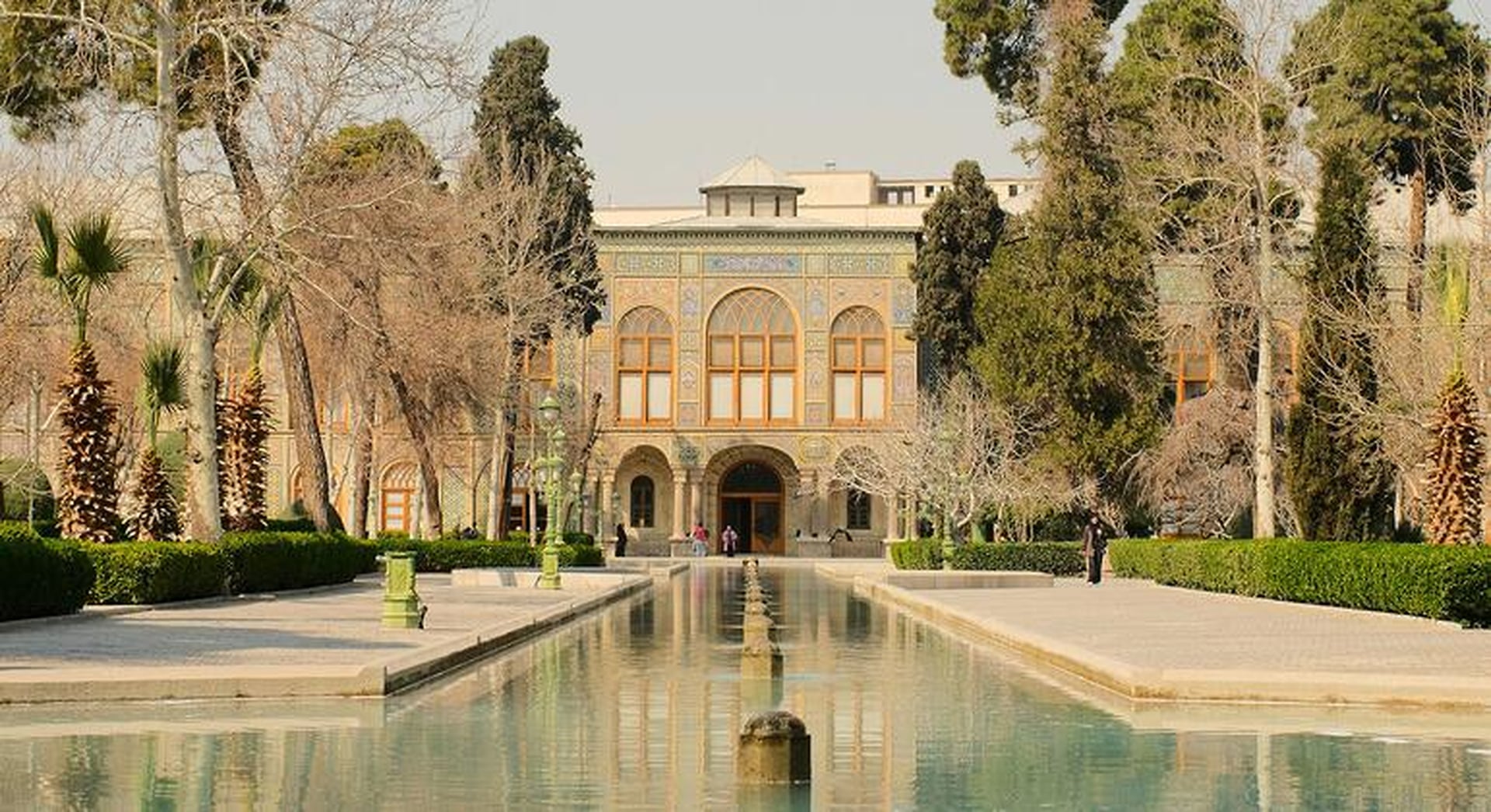
The Middle East is once again grappling with the devastating consequences of escalating conflict, marked by immense human suffering, widespread displacement, and tragic loss of life. Since late February 2026, a fresh wave of hostilities has swept across regions including Iran, Israel, and Lebanon, plunging communities into profound crisis. Beyond the immediate humanitarian catastrophe, a less visible but equally critical form of destruction is unfolding: the irreparable damage to invaluable cultural heritage sites. These ancient landmarks, historical archives, and sacred spaces are not merely stone and mortar; they are the bedrock of collective identity, educational resources, and anchors for community well-being. Their destruction represents a profound loss that extends far beyond national borders, posing significant long-term threats to global education and the mental health of affected populations.
The recent outbreak of war has seen several unique sites of immense cultural significance sustain damage, as reported since February 28. These sites, ranging from millennia-old archaeological wonders to more recent historical structures, embody centuries of human endeavor, innovation, and shared history. For generations, they have served as living classrooms, repositories of knowledge, and tangible links to ancestral wisdom. They are crucial for understanding historical narratives, fostering cultural pride, and providing context for contemporary societies. The deliberate or incidental destruction of such heritage not only erases physical evidence of the past but also severs vital connections that underpin social cohesion and individual psychological resilience, creating a void that future generations will struggle to fill.
The Erosion of Educational Foundations
The damage to cultural heritage sites directly undermines educational systems and opportunities. These sites are often integral to national curricula, providing hands-on learning experiences for students of all ages. Their destruction means the loss of irreplaceable primary sources for historical, archaeological, and anthropological study. Libraries, museums, and educational institutions located near conflict zones are also frequently targeted or caught in the crossfire, leading to the destruction of archives, manuscripts, and research materials. This not only disrupts current learning but also cripples the capacity for future academic inquiry and the transmission of knowledge, leaving a generation deprived of direct engagement with their heritage.
Beyond physical structures, the conflict imperils intangible cultural heritage—the traditions, oral histories, performing arts, and craftsmanship often associated with these sites. When a historical marketplace is destroyed, it's not just a building; it's potentially the end of specific artisan skills passed down through generations, or the loss of a community gathering space where stories and wisdom were shared. This erosion of intangible heritage profoundly impacts informal education and intergenerational learning, which are crucial for maintaining cultural identity and social fabric. Children and youth, already displaced and traumatized, lose access to these vital cultural touchstones that would otherwise provide stability and a sense of belonging.
Even in the aftermath of conflict, the educational challenges posed by cultural destruction are immense. Rebuilding efforts, if they occur, are often protracted and costly, diverting resources from other critical educational needs. Moreover, reconstructed sites may lack the authenticity and historical integrity of their originals, diminishing their value as educational tools. The loss of original artifacts and architectural details can lead to gaps in historical understanding, potentially fostering revisionist narratives or a fragmented sense of identity among younger populations. This long-term educational deficit can hinder national development and reconciliation efforts, perpetuating cycles of misunderstanding and conflict.
The Silent Toll on Mental Health and Well-being
The destruction of cultural heritage inflicts a deep psychological wound on communities, contributing significantly to mental health crises. For many, these sites are more than landmarks; they are sacred spaces, symbols of resilience, and tangible representations of collective memory and identity. Their desecration or destruction can evoke feelings of profound grief, anger, and helplessness, akin to losing a family member or a part of oneself. This collective trauma can manifest as increased rates of depression, anxiety, and post-traumatic stress disorder, particularly among those who have witnessed the destruction or have strong personal connections to the sites.
The psychological impact is further exacerbated by the widespread displacement accompanying the conflict. When individuals are forced to flee their homes, they are often separated from their communities and the cultural landscapes that define their existence. The added burden of knowing that their ancestral sites, the very symbols of their roots, are being destroyed or are at risk, intensifies feelings of rootlessness and alienation. This disconnection from heritage can severely impede the healing process for displaced populations, making it harder for them to rebuild their lives and regain a sense of normalcy and belonging in new environments.
Cultural sites frequently serve as vital community hubs, fostering social interaction, shared rituals, and collective memory. Their destruction fragments social networks and erodes the communal spaces essential for healing and recovery post-conflict. Without these anchors, communities struggle to re-establish a sense of normalcy and collective purpose. The shared experience of mourning lost heritage, while potentially unifying, also adds another layer of grief and complexity to an already challenging recovery process, making it harder to address underlying mental health needs and rebuild social capital.
A Global Imperative for Protection and Support
The ongoing damage to cultural heritage in the Middle East underscores a critical failure in the international community's responsibility to protect such sites during armed conflict. International humanitarian law, including the 1954 Hague Convention for the Protection of Cultural Property in the Event of Armed Conflict, explicitly prohibits attacks on cultural sites and mandates their protection. Yet, these provisions are frequently disregarded, highlighting the urgent need for stronger enforcement mechanisms and greater accountability for those who perpetrate such acts. The destruction of shared human heritage is a crime against all humanity, not just the immediate victims.
The long-term societal implications of cultural destruction are far-reaching. It can fuel resentment, hinder reconciliation, and even contribute to radicalization by erasing shared histories and fostering a sense of grievance. When a people's history is literally wiped away, it can create a vacuum that extremist ideologies exploit. Preserving cultural heritage is therefore not merely an aesthetic or historical concern; it is a strategic imperative for peace-building, fostering mutual understanding, and promoting stability in post-conflict societies. The cost of neglecting this aspect of conflict is paid in prolonged instability and deeper societal wounds.
Nivaran Foundation recognizes that the protection of cultural heritage is inextricably linked to the health and educational outcomes of communities worldwide. The destruction witnessed in the Middle East is a stark reminder that humanitarian aid must extend beyond immediate physical needs to encompass the psychological and intellectual well-being of affected populations. Supporting initiatives that document, protect, and, where possible, restore cultural heritage is crucial for ensuring that future generations have access to their history, can learn from the past, and possess the cultural anchors necessary for mental resilience and societal recovery. This global crisis demands a holistic response that acknowledges the profound value of heritage.
The war in the Middle East continues to exact an unimaginable toll on human lives and livelihoods. However, the silent devastation of cultural treasures represents an equally grave, long-term threat to global education and mental health. These sites are not mere relics; they are vital educational resources, powerful symbols of identity, and essential components of community well-being. The international community must recognize the profound and lasting impact of this cultural destruction and act decisively to protect these irreplaceable assets. Only by safeguarding our shared heritage can we hope to preserve the foundations for future learning, foster psychological healing, and build a more resilient and peaceful world for all.
Support Nivaran Foundation's efforts to foster education and well-being in communities impacted by global crises, ensuring a future where heritage can inspire healing and learning.
Talk to Nivaran Global