
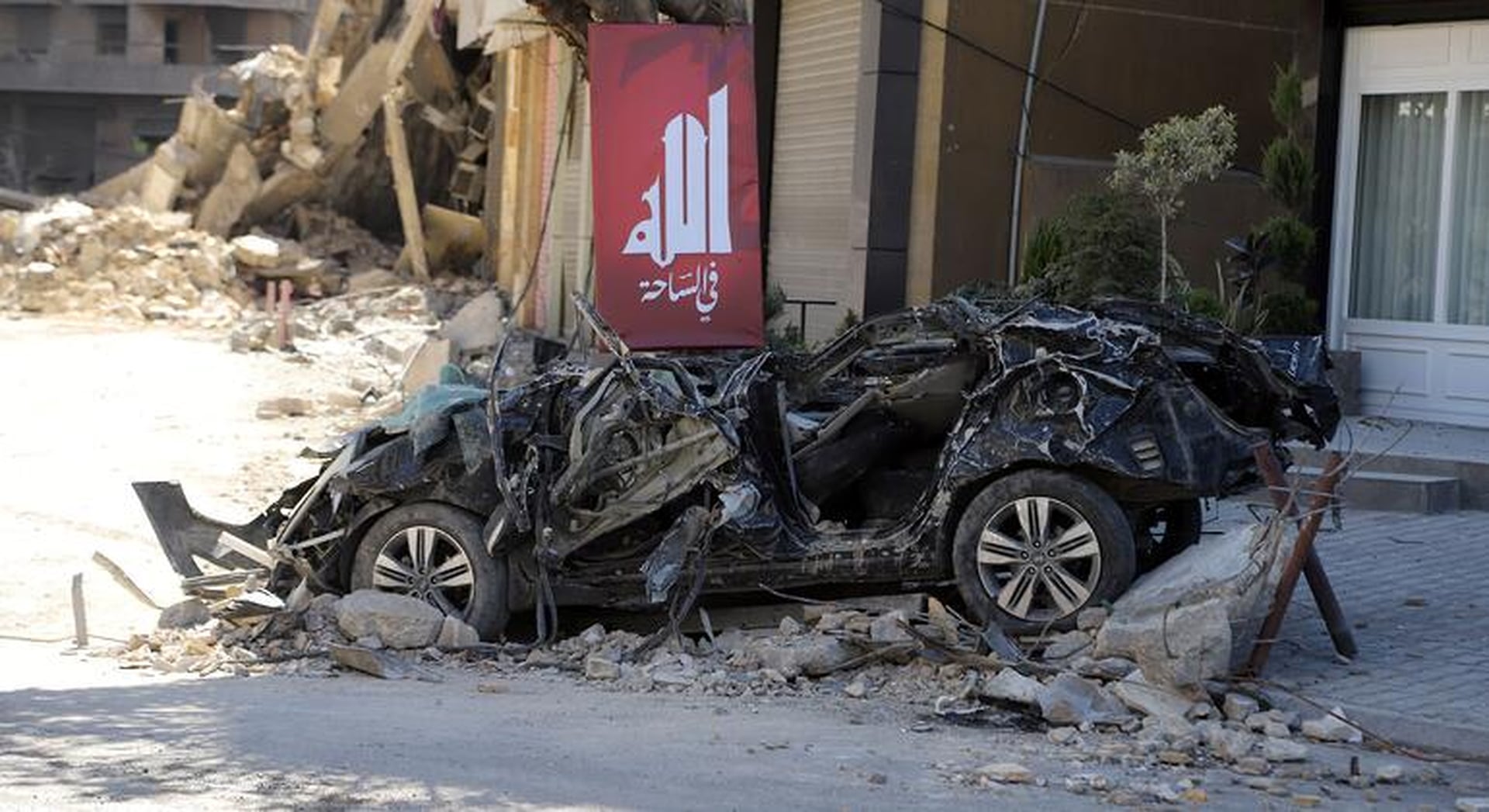
The Middle East finds itself ensnared in a rapidly escalating humanitarian crisis, now entering its third relentless week. Across the region, the persistent conflict has unleashed a cascade of devastating consequences, pushing already fragile communities to the precipice. While the echoes of fighting continue to reverberate, the silent, yet equally deadly, battle against a burgeoning health catastrophe is intensifying. International bodies, spearheaded by the United Nations, are grappling with an unprecedented surge in humanitarian needs, striving to deliver critical aid amidst a landscape riddled with logistical nightmares and profound security risks. The global community watches as displacement, food insecurity, and the systematic erosion of health infrastructure threaten to unravel the very fabric of society.
At the heart of this unfolding tragedy is the dramatic collapse of health systems across affected areas. Hospitals, once pillars of community well-being, are now either directly targeted, severely damaged, or operating far beyond their capacity with critically depleted resources. Medical personnel, themselves often displaced or working under unimaginable duress, face acute shortages of essential medicines, surgical supplies, and even basic utilities like electricity and clean water. The constant influx of casualties, both from direct conflict and the indirect consequences of a broken society, overwhelms emergency rooms and wards. Routine medical care, including vaccinations, maternal health services, and chronic disease management, has largely ceased, creating a dangerous vacuum that will have long-term repercussions for public health. This systemic breakdown means preventable diseases are resurfacing, and treatable conditions are becoming fatal, painting a grim picture for the future health of millions.
The conflict has triggered a massive wave of internal and cross-border displacement, forcing millions from their homes in search of safety. These displaced populations often find themselves in overcrowded, unsanitary temporary shelters or informal settlements, where access to basic necessities is severely limited. The health implications are dire: a heightened risk of communicable diseases such as cholera, measles, and acute respiratory infections due to poor sanitation, lack of clean water, and close living quarters. Children are particularly vulnerable, facing increased risks of malnutrition and dehydration. Women and girls in these settings are exposed to elevated risks of gender-based violence and have severely restricted access to reproductive health services, including safe childbirth. The psychological toll of displacement, trauma, and loss also manifests as a widespread mental health crisis, often unaddressed due to the overwhelming focus on immediate physical needs and a severe lack of specialized support.
Compounding the health crisis is the escalating food insecurity gripping the region. The disruption of agricultural activities, damage to infrastructure, and blockades have severely hampered food production and distribution networks. Markets are either inaccessible or stocked with exorbitantly priced goods, rendering basic foodstuffs out of reach for the majority of the population. This pervasive food insecurity directly translates into a nutritional emergency, especially for the most vulnerable. Children, pregnant and lactating women, and the elderly are experiencing alarming rates of acute malnutrition, which weakens their immune systems and makes them more susceptible to disease. The long-term effects of childhood malnutrition include stunted growth, impaired cognitive development, and increased susceptibility to chronic illnesses, trapping future generations in a cycle of poor health and poverty. Efforts to deliver food aid are frequently obstructed by security concerns and logistical bottlenecks, further exacerbating the crisis.
In response to this spiraling humanitarian catastrophe, UN agencies and their partners are working tirelessly to scale up emergency aid operations. From the World Health Organization (WHO) dispatching medical supplies to the World Food Programme (WFP) distributing vital food assistance, and UNICEF providing support for children, the collective effort is immense. However, these life-saving interventions are continuously hampered by a formidable array of challenges. Logistical hurdles include damaged roads, fuel shortages, and the complex process of negotiating safe passage through active conflict zones. Security risks to humanitarian workers are paramount, with aid convoys and personnel frequently facing threats. Despite these dangers, UN staff and local partners remain committed, often risking their lives to reach those most in need. Their work involves not only delivering immediate relief but also attempting to restore basic services where possible, establishing temporary clinics, and providing psychosocial support.
The crisis's impact extends beyond the immediate conflict zones, sending ripple effects across the global economy. Oil prices hovering near $100 a barrel, coupled with significant shipping disruptions and temporary flight suspensions, are not merely economic indicators; they directly impede humanitarian efforts. Higher fuel costs increase the expense of aid delivery, while disrupted supply chains delay the arrival of critical medical equipment and food. These global economic pressures also divert international attention and resources, potentially limiting the funding available for humanitarian responses in the Middle East, even as needs continue to soar. The interconnectedness of global systems means that a crisis in one region inevitably strains resources and capabilities worldwide.
The deepening crisis in the Middle East demands not only immediate humanitarian intervention but also sustained global attention and political will to ensure unhindered access for aid. The international community must prioritize the protection of civilians and humanitarian workers, ensuring that medical facilities are respected under international law. Beyond the immediate emergency, there is an urgent need to invest in strengthening resilient health systems, promoting food security, and addressing the mental health crisis that will persist long after the fighting subsides. The sheer scale of human suffering underscores the imperative for a coordinated, robust, and long-term response to prevent further deterioration and lay the groundwork for recovery.
As the Middle East crisis enters its third week, the humanitarian toll continues to mount, with health systems teetering on the brink, millions displaced, and food insecurity reaching critical levels. The valiant efforts of UN agencies and their partners, though significant, are constantly challenged by the relentless nature of the conflict and severe operational constraints. The global health implications are profound, threatening to undo decades of progress and condemning a generation to chronic ill-health. Nivaran Foundation, through its global desk, emphasizes the critical urgency of this situation, calling upon all stakeholders to redouble their efforts, ensure safe passage for aid, and commit to a future where health and well-being are prioritized even in the darkest hours of conflict.
Support Nivaran Foundation's global health initiatives to provide critical aid in conflict zones and strengthen vulnerable health systems worldwide.
Talk to Nivaran Global