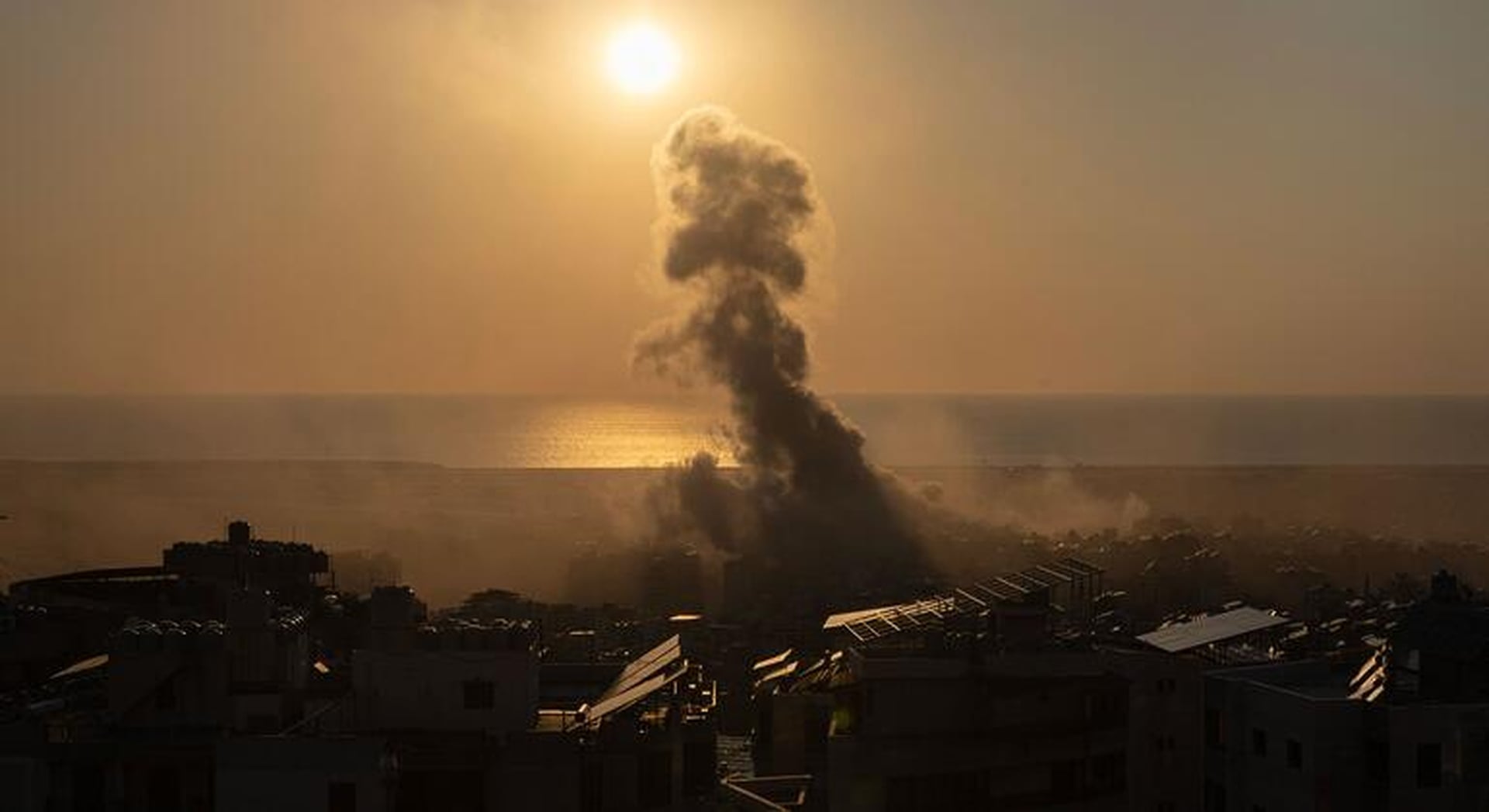
The Middle East continues to grapple with a deepening humanitarian crisis, marked by persistent conflict and its devastating ripple effects across the region. As strikes and counterstrikes escalate, the human cost mounts, placing unprecedented strain on already fragile infrastructure and vital services. The United Nations and its partner agencies are sounding urgent alarms, highlighting a rapidly deteriorating situation where health systems are on the brink of collapse, children are increasingly caught in the crossfire of violence and displacement, and hundreds of thousands have been forcibly uprooted from their homes, particularly within Lebanon. This complex emergency demands a concerted global response, as the challenges of delivering essential aid grow more formidable with each passing day. The crisis is not merely a localized conflict but a regional catastrophe with profound global implications for human security and stability.
The backbone of public health in several Middle Eastern nations is under severe duress, facing a multi-faceted assault from ongoing hostilities. Hospitals and clinics, already struggling with chronic underfunding and resource shortages, are now overwhelmed by a relentless influx of trauma cases, war-related injuries, and a surge in communicable diseases exacerbated by displacement and poor sanitation. Medical facilities themselves have not been spared, with reports of damage to critical infrastructure, rendering essential services inaccessible to vast populations. Beyond the physical destruction, the operational capacity of health systems is being systematically eroded. Supply chains for vital medicines, medical equipment, and even basic consumables are frequently disrupted by blockades, security checkpoints, and damaged transportation routes. This scarcity forces healthcare professionals to make impossible choices, often rationing life-saving treatments and operating with severely limited resources.
The human capital within the health sector is also facing an existential threat. Healthcare workers, often working without adequate protection or compensation, are themselves victims of violence, displacement, and profound psychological trauma. Many have fled the region, leading to a critical brain drain that further cripples the ability of local health authorities to respond effectively. For those who remain, the relentless pressure, coupled with moral injury from witnessing unimaginable suffering and being unable to provide adequate care, is leading to widespread burnout. This erosion of human resources, combined with the physical damage and supply shortages, creates a vicious cycle where the capacity to treat the sick and injured diminishes precisely when it is needed most. UN agencies report that routine health services, including vaccinations, maternal care, and treatment for chronic diseases, have been severely curtailed, setting the stage for long-term public health crises that will reverberate for years to come.
Children are consistently the most vulnerable demographic in any conflict, and the current Middle East crisis is no exception. They are disproportionately affected by the violence, suffering physical injuries, psychological trauma, and the profound disruption of their formative years. The constant threat of violence, the loss of family members, and exposure to horrific scenes leave indelible scars on their mental health, often manifesting as anxiety, depression, and post-traumatic stress disorder. Beyond the immediate physical and psychological toll, the crisis is systematically dismantling their access to education, a fundamental right and a crucial pathway out of poverty and conflict. Schools have been damaged or destroyed, repurposed as shelters, or rendered unsafe due to proximity to active conflict zones. Teachers have been displaced or killed, and the curriculum, if available, is often disrupted and inconsistent.
For hundreds of thousands of children, the classroom has been replaced by the harsh realities of displacement camps or overcrowded temporary shelters. This loss of education represents a lost generation, with profound implications for their future prospects and the long-term stability of the region. Without access to learning, children are at increased risk of child labor, early marriage, recruitment into armed groups, and other forms of exploitation. Furthermore, displacement exposes children to heightened risks of malnutrition, infectious diseases due to poor sanitation and lack of clean water, and inadequate access to routine healthcare. The psychological impact of losing their homes, their sense of normalcy, and their future prospects is immeasurable, creating a deep-seated trauma that requires extensive, long-term psychosocial support—a service that is often scarce or non-existent in crisis zones.
The crisis has triggered massive population movements, with hundreds of thousands of individuals forced to abandon their homes in search of safety. Lebanon, in particular, has witnessed a significant influx of displaced persons, placing immense pressure on its already strained resources and infrastructure. These displaced populations often arrive with nothing but the clothes on their backs, facing dire conditions in overcrowded shelters, informal settlements, or host communities that are themselves struggling to cope. Access to basic necessities such as clean water, sanitation facilities, adequate food, and shelter remains a critical challenge, creating fertile ground for the spread of diseases and exacerbating existing vulnerabilities. The psychological burden of displacement, the loss of livelihoods, and the uncertainty of return further compound the suffering.
In response to this escalating humanitarian catastrophe, UN agencies and their partners are working tirelessly to scale up emergency aid operations. Despite formidable logistical and security challenges—including restricted access, damaged roads, and the constant threat of violence—aid workers are striving to deliver life-saving assistance. This includes providing emergency medical supplies, food parcels, clean water, sanitation kits, and temporary shelter materials. Efforts are also underway to offer psychosocial support to those traumatized by the conflict and to establish temporary learning spaces for displaced children. However, the sheer scale of the needs far outstrips the available resources, and the unpredictable nature of the conflict constantly threatens to derail humanitarian efforts. The international community's sustained commitment and increased funding are crucial to enable these agencies to continue their vital work and reach those most in need.
The crisis in the Middle East is not confined to isolated pockets; its impact reverberates across national borders, creating a complex web of regional instability. Neighboring countries, already grappling with their own socio-economic challenges, are increasingly burdened by the influx of refugees and displaced persons, straining public services and social cohesion. The economic fallout, including disruptions to trade, agriculture, and infrastructure, further destabilizes an already volatile region. Beyond the immediate humanitarian suffering, the long-term consequences are staggering. A generation deprived of education and healthcare faces diminished prospects, potentially fueling future cycles of poverty and extremism. The destruction of physical infrastructure—hospitals, schools, roads, water systems—will require decades and billions of dollars to rebuild, a monumental task in a region scarred by conflict.
Moreover, the psychological trauma inflicted upon entire populations, particularly children, will have profound societal implications, requiring extensive and sustained mental health interventions. The erosion of trust in institutions and the breakdown of social fabric pose significant challenges to future peacebuilding and reconciliation efforts. Without a concerted and sustained international effort to address the root causes of the conflict, protect civilians, and invest in recovery and resilience, the ripple effects of this crisis will continue to undermine global security and human development for many years to come.
The unfolding humanitarian crisis in the Middle East demands immediate and unwavering global attention. As health systems falter and children bear an unbearable burden, the imperative to act is clear. Nivaran Foundation stands with UN agencies and partners in calling for enhanced protection for civilians, unimpeded humanitarian access, and sustained international support to mitigate the devastating impact of this conflict and lay the groundwork for a more stable and healthy future for all affected populations.
Support Nivaran Foundation's global initiatives to strengthen health and education systems in crisis-affected regions worldwide.
Talk to Nivaran Global